
Nambian Self-Drive Holidays Made Simple

Planning a self-drive holiday in Namibia can feel overwhelming at first glance. With vast landscapes, remote regions, and unpredictable terrain, it is easy to see why many travelers hesitate when considering this type of adventure. However, with the right preparation and understanding, a Nambian self-drive holiday offers a unique and rewarding experience that few other travel styles can match. Namibia is a country of dramatic contrasts. From the towering sand dunes of Sossusvlei to the wildlife-rich plains of Etosha National Park, its landscapes are as diverse as they are awe-inspiring. The country is also known for its well-maintained road network, particularly the main routes that connect key destinations. While many of these roads are gravel or dirt, they are generally in good condition and suitable for 4×4 vehicles. This makes Namibia particularly well-suited to self-drive travel for those who are comfortable behind the wheel and seeking a more independent experience. One of the greatest appeals of a self-drive holiday in Namibia is the freedom it affords. Unlike guided tours that follow set itineraries, self-driving allows you to explore at your own pace. Want to spend an extra day watching elephants at a waterhole in Etosha? Or take a detour to explore the ghost town of Kolmanskop? With your own vehicle, the choice is yours. This flexibility is especially valuable in a country where spontaneous discoveries often become the highlight of the trip. Another key benefit of self-driving in Namibia is the opportunity to immerse yourself more deeply in the environment. With fewer crowds and vast open spaces, you can experience the solitude and grandeur of the desert in a way that’s simply not possible on a group tour. Pull over to watch a herd of oryx cross the road, take in the sunset from a remote campsite, or simply enjoy the quiet hum of the desert wind—all on your own terms. Of course, such freedom requires responsibility. Planning is crucial for a successful self-drive trip in Namibia. You’ll need to understand driving conditions, fuel availability, accommodation options, and emergency protocols. Most routes outside of Windhoek and a few other towns do not offer frequent gas stations or services, so knowing when and where to refuel is essential. Similarly, cell phone coverage can be limited in remote areas, making a GPS device or offline maps invaluable. Travelers often begin their journeys in Windhoek, the capital, where rental services provide everything from standard SUVs to fully-equipped 4×4 campers. Depending on your route, you might head north toward Etosha for unparalleled wildlife viewing, west to the Skeleton Coast for its haunting beauty, or south toward the Namib Desert for epic dune landscapes. Each region presents its own set of challenges and highlights, so careful route planning is essential. For those looking to explore these regions independently, Nambian self-drive holidays offer curated itineraries and local insights to make the experience smoother. Safety is another important consideration. While Namibia is generally safe for tourists, road accidents can occur, particularly due to gravel roads and wildlife crossings. Driving during daylight hours is strongly recommended, and speed should be adjusted based on conditions. Carrying extra water, a spare tire, and basic tools can also prove useful, especially if venturing into more remote areas. Accommodations throughout Namibia range from luxury lodges to basic campsites, many of which are positioned within or near national parks. Booking in advance is advisable, especially during peak travel seasons. Campsites often offer excellent facilities, allowing for a comfortable experience even in the heart of the wilderness. For those new to overlanding, staying in established campsites with amenities can be a good way to ease into the experience. If the idea of charting your own course through one of Africa’s most striking landscapes appeals to you, then Namibia might be the destination you’ve been searching for. It combines the thrill of the open road with the serenity of unspoiled nature, offering a deeply personal travel experience. For more information and resources to help you plan your journey, visit this Namibia travel guide to get started.
How Real Estate in Guelph Ontario Is Changing
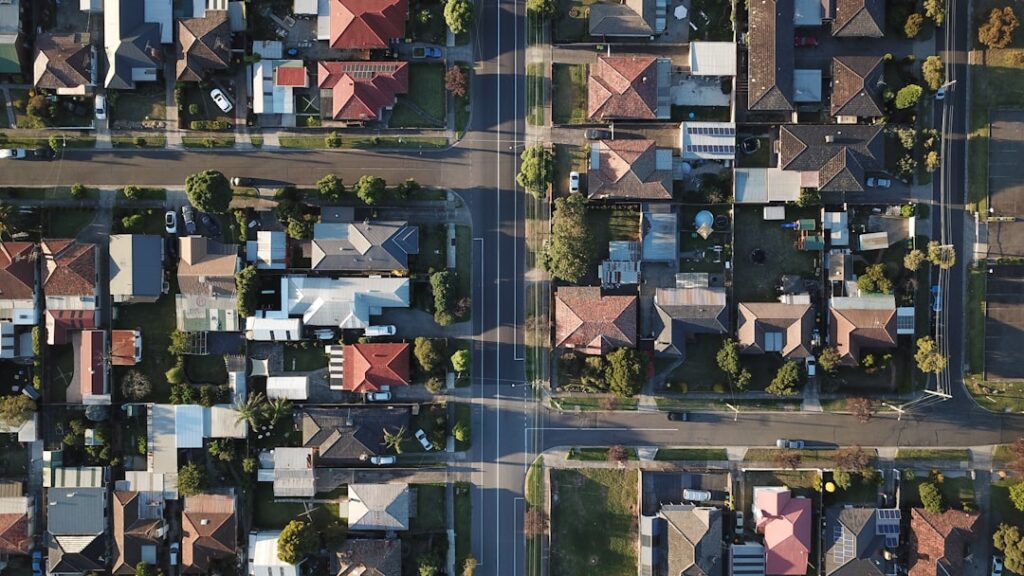
Guelph, Ontario continues to attract attention as one of the most desirable cities to live in within the province. Known for its blend of small-town charm and urban convenience, Guelph has become a focal point for homebuyers and investors alike. The city’s real estate landscape is evolving, shaped by dynamic market forces, demographic shifts, and continued development. Understanding how these factors intersect helps explain why Guelph’s housing market remains both competitive and compelling. One of the key drivers behind Guelph’s popularity is its balanced lifestyle offering. Residents enjoy access to quality education, green spaces, and a thriving local economy. Compared to larger urban centers like Toronto, Guelph offers a more accessible entry point for homeownership without sacrificing key amenities. This has made the city especially attractive to young families, professionals, and retirees looking to downsize. The resulting demand has pushed property values steadily upward over the past several years. The types of properties available in Guelph mirror the city’s diverse population. From modern condos in the downtown core to detached family homes in well-established neighborhoods, the variety supports a broad range of budgets and preferences. New developments on the city’s outskirts have also introduced more housing options, including townhouses and purpose-built rentals. For those considering real estate guelph ontario, these offerings provide flexibility whether the goal is a primary residence or an investment property. Guelph’s real estate market also benefits from its strong local economy. Anchored by sectors such as education, manufacturing, and technology, the city has shown resilience in the face of broader economic shifts. This stability provides confidence for homebuyers who see Guelph not just as a place to live, but as a community in which to build long-term value. In addition, the University of Guelph plays a key role in sustaining demand for rental properties, especially near campus and in transit-accessible areas. Transportation infrastructure has further enhanced the city’s appeal. Commuters benefit from easy access to major highways and the GO Transit system, making it feasible to live in Guelph while working in surrounding regions. This connectivity has expanded the city’s real estate reach, attracting buyers from the Greater Toronto Area who are seeking more space or affordability without completely disconnecting from urban work hubs. One of the more recent trends in Guelph’s real estate scene is the increasing focus on sustainability. Developers and homebuyers alike are placing higher value on energy-efficient homes, green building practices, and proximity to public transit. These priorities not only reflect broader cultural shifts but also indicate a long-term vision for responsible urban development. As a result, newer neighborhoods in Guelph are being designed with walkability, mixed-use zoning, and ecological stewardship in mind. Navigating the Guelph market does come with its own set of challenges. Inventory can be limited, especially in high-demand neighborhoods, and competition among buyers often leads to multiple-offer scenarios. Those interested in purchasing a home here need to be well-prepared and informed. Working with experienced local professionals can make a significant difference in identifying opportunities and acting quickly when the right property becomes available. For prospective homeowners and investors, exploring the local market means understanding current trends, pricing structures, and neighborhood dynamics. Resources that offer insight into Guelph’s real estate climate are valuable tools for making informed decisions. Whether you’re a first-time buyer or looking to expand your portfolio, tapping into local real estate expertise can provide the guidance necessary to navigate this competitive market successfully. As Guelph continues to grow, its real estate market is expected to evolve in parallel. With thoughtful planning, community investment, and continued demand, the city is well-positioned to remain a leading choice for homeownership and real estate investment in Ontario.