
Biomedical Device Testing Standards
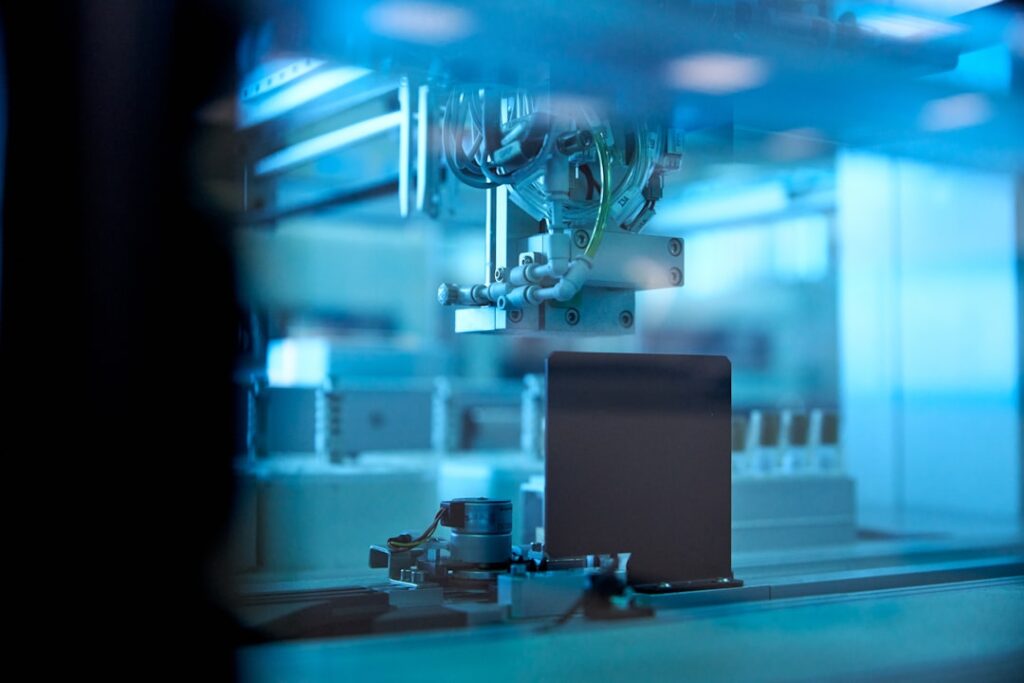
Biomedical device testing plays a crucial role in ensuring the safety, efficacy and reliability of medical technologies used in patient care. Whether it’s a sophisticated imaging system or a simple monitoring device, each product must undergo rigorous testing before it can be introduced to clinical settings. These tests are vital not only for regulatory approval but also for maintaining the trust of healthcare providers and patients who depend on the accurate functioning of biomedical equipment. The complexity of biomedical devices has increased significantly in recent years, driven by advances in digital technology, miniaturisation and data integration. As a result, testing protocols have had to evolve to address a wider range of performance, safety and interoperability issues. Devices are now expected to function in highly dynamic environments, often interacting with other systems and tailored for individual patient needs. This makes thorough and precise testing processes more important than ever. Regulatory bodies such as the Medicines and Healthcare products Regulatory Agency (MHRA) in the UK, and international standards organisations like ISO and IEC, provide the frameworks that guide testing requirements. These standards cover electrical safety, software validation, mechanical integrity and biocompatibility, among other aspects. Adhering to these regulations is not optional; it is a legal prerequisite for market entry. Moreover, compliance helps manufacturers avoid costly recalls, litigation and reputational damage. Testing methodologies vary depending on the type and function of the device. For instance, diagnostic devices must be tested for accuracy and sensitivity, while therapeutic devices are scrutinised for dose delivery and safety over prolonged use. Wearable technologies may require testing under motion and various environmental conditions. In all cases, simulated use environments are created to replicate actual clinical scenarios, allowing testers to observe how the device performs under realistic conditions. A critical component of the testing process is failure analysis. This involves deliberately pushing devices beyond their intended limits to identify potential modes of failure. Such stress testing can reveal vulnerabilities that might not surface during standard use, offering valuable insights into durability and long-term reliability. Incorporating these insights into design refinements can significantly improve product safety and performance. Another dimension of modern biomedical device testing is cybersecurity. As more devices become interconnected and store sensitive patient data, safeguarding against cyber threats becomes a critical concern. Testing protocols now often include assessments of a device’s ability to resist hacking and data breaches. This aspect of testing is especially relevant for devices that rely on software updates and remote monitoring. In addition to technical evaluations, usability testing has emerged as a key factor in biomedical device validation. Devices must not only function correctly but also be easy for clinicians and patients to operate. Poor user interface design can lead to errors, misinterpretation of data or even injury. Usability tests typically involve human participants interacting with the device in controlled settings, allowing developers to observe and refine the user experience. For organisations involved in biomedical device testing, maintaining up-to-date knowledge of evolving standards and emerging technologies is essential. Continuous training, investment in advanced testing equipment and collaboration with regulatory bodies help ensure that testing remains robust and relevant. These efforts contribute to faster time-to-market and a stronger assurance of device performance. Lifecycle testing is another aspect that deserves attention. Devices are expected to endure years of use, often in harsh or variable conditions. Accelerated ageing tests simulate extended periods of operation within a compressed timeframe, revealing how materials and components hold up over time. This data is invaluable in predicting maintenance needs and planning for product updates or replacements. For healthcare facilities and biomedical engineers, working with trusted service providers ensures not only compliance but also operational efficiency. Services such as calibration, preventive maintenance and asset tracking support the broader goal of reliable healthcare delivery. These components of a comprehensive testing programme allow for early detection of issues and reduce the risk of device failure during critical procedures. Ultimately, biomedical device testing is more than a regulatory hurdle. It is a fundamental pillar of quality assurance in modern healthcare. By ensuring that devices meet the highest standards of safety and functionality, testing supports clinicians in delivering accurate diagnoses and effective treatments. As medical technology continues to evolve, so too must the strategies for evaluating its performance and safety. Equipped with a thorough understanding of these testing protocols, stakeholders in the healthcare industry can make informed decisions about device procurement, implementation and lifecycle management. For further insights into testing services and solutions, visit this comprehensive resource on medical equipment support.