
Sports Field Lighting Design Essentials
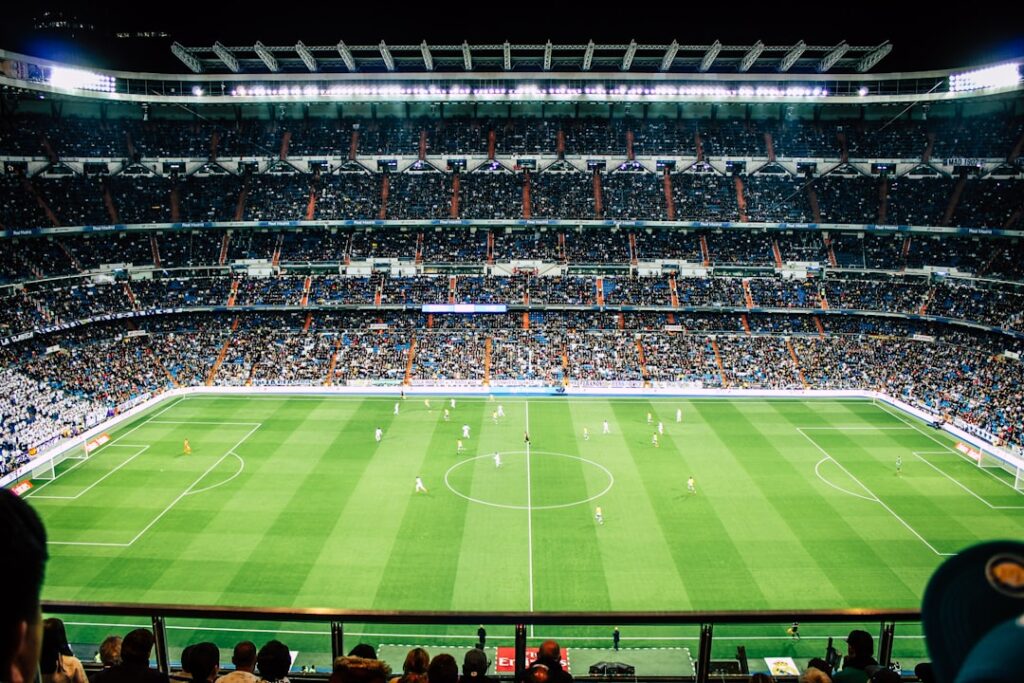
Picture a local sports club gearing up for an evening tournament. As daylight fades, players and fans rely heavily on proper lighting to keep the action clear and safe. Facility managers face the challenge of designing lighting that not only meets safety standards but also enhances the overall experience. Getting this right can boost the usability of the field and draw more visitors, especially when events run well into the night. Choosing the right fixtures is fundamental. LED lights have taken over many sports venues because they last longer and use less electricity than older halogen or metal halide options. They also emit less heat, which helps prevent equipment wear and reduces fire hazards during extended use. Community fields hosting multiple weekly games benefit from the durability and energy savings LEDs offer, cutting down on maintenance headaches. Where you place your lights matters just as much as what you use. Poles should be set around the field’s edge, tall enough, often between 15 and 18 meters for football fields, to cast light evenly without creating distracting shadows. Positioning fixtures at precise angles helps avoid dark spots and glare areas that can confuse players. A common misstep is installing poles too close to the action or unevenly spaced, which often leads to patchy illumination and complaints from athletes. Uniform brightness across the playing surface impacts both performance and enjoyment. Different sports require different lux levels: competitive soccer games usually call for about 200 lux, while training sessions might get by with half that. Facility managers typically consult lighting professionals to map out these requirements accurately. They also check against local regulations and standards, which can vary and sometimes cause misunderstandings if overlooked early in planning. Glare management is often underestimated but critical. Excessive glare can impair players’ vision and distract spectators. Using shields or selecting fixtures designed with low-glare optics reduces this problem. Experienced designers will test setups during dusk conditions to spot issues before final installation. These tweaks make a noticeable difference in comfort and safety, but they tend to get skipped if projects rush through approval stages. Modern sports lighting frequently integrates smart controls. Timers, motion sensors, and dimming capabilities let operators adjust brightness based on actual use or time of day. This approach saves energy and cuts costs over time, a practical consideration for budget-conscious community clubs. Owners often start with manual systems but see clear value in upgrading once they track usage patterns and identify peak hours. A typical project includes reviewing electrical load capacity, planning conduit runs for wiring, and scheduling maintenance checks to keep systems reliable. Documenting fixture types and pole heights helps avoid confusion when replacements or repairs are needed later on, a step sometimes skipped leading to delays. Communication between electricians, contractors, and facility managers throughout installation ensures expectations align and reduces costly rework. For detailed guidance on designing effective sports lighting systems, exploring sports field lighting design can be very useful. Meanwhile, additional resources covering broader electrical installation topics are available at . outdoor lighting installation tips