
Indoor Cricket Nets for Sports Halls

Step inside a typical sports hall where a group of young cricketers practice without restraint, all thanks to indoor cricket nets. These nets create a safe bubble, protecting the rest of the facility from stray balls and allowing players to focus on their technique. Schools and sports centers often overlook how crucial the right netting setup is for effective training. Pick the wrong system, and you risk injuries or damage to walls and equipment. The right nets can be tailored to fit any space, ensuring safety while maximizing usable area. Indoor cricket nets come in several forms. Full netting systems use multiple panels that can be arranged to suit different layouts and sizes, giving schools flexibility when space is tight or oddly shaped. Cricket bays are smaller and simpler, perfect for venues with limited room but still wanting a dedicated practice area. Tension cages offer another option, providing a sturdy enclosed environment that can be assembled quickly. Many facilities miss that nets don’t have to be permanent fixtures; systems designed for easy installation and removal save time and let spaces serve multiple purposes. Consider a school gym that sees little use outside of PE classes. Installing sports hall cricket nets can turn it into a multi-sport venue. Nets can be set up for cricket practice and then packed away to make room for basketball or badminton. That kind of versatility encourages more students to get involved in sports, as the facility adapts to different needs without costly renovations. Staff often keep a simple log for when nets should be checked or repaired, preventing small issues from escalating. Material choice matters more than many expect. High-grade polyethylene and nylon nets stand up to regular use without fraying or sagging. They offer clear visibility so players can track the ball as they bowl or bat. UV resistance is a bonus for venues with windows or partial outdoor access, extending the net’s lifespan. Some facilities have learned the hard way that cheaper nets don’t hold up under repeated impact or sunlight, leading to frequent replacements. Checking knots and mesh tension monthly is a practical habit that keeps nets performing well. Safety also means protecting bowlers during drills. Bowlers end protection nets catch stray balls before they reach the player delivering the ball, reducing injury risks. Coaches recommend placing these nets at both ends of the pitch during practice sessions. It’s common for schools to overlook this detail until someone gets hit unexpectedly, so setting it up from the start pays off in fewer interruptions and less downtime. Storage often gets ignored but is vital for maintaining net quality. Cricket net storage bags keep nets organized and dry when not in use, preventing tangles and mildew. Some venues assign responsibility for packing away nets to specific staff members or student volunteers, making sure it’s done properly after every session. This small routine extends equipment life and reduces replacement costs, which can add up quickly otherwise. Before buying nets, check your supplier’s track record. Reliable providers share photos and testimonials from similar schools or sports halls they’ve worked with. This shows their ability to deliver what they promise. It’s also practical to ask for a site visit or detailed plan before installation to avoid surprises like awkward fittings or insufficient clearance around the netting. If you’re looking at options like roll-out cricket matting or tension cage systems, it helps to have clear advice tailored to your facility’s size and budget. Some suppliers offer guidance on how each product fits different training goals. Don’t hesitate to ask questions about maintenance routines or warranty coverage. That information often reveals how serious a company is about supporting its products beyond the sale.cricket training equipment advice
Cabinetry Hardware: The Finishing Touch

Step into a kitchen that’s just been renovated and you’ll notice the cabinets and countertops gleaming. Yet something isn’t quite right. Often, cabinetry hardware is overlooked, but it can make or break the room’s look. Handles and knobs aren’t just functional, they express personality. Many homeowners treat them as an afterthought, unaware these small pieces pull the entire design together. For example, installing mismatched or poorly sized pulls can throw off the balance, making a well-designed kitchen feel unfinished. Choosing the right finish matters more than most realize. Not all materials wear the same. Brushed nickel resists fingerprints and suits modern spaces, while oil-rubbed bronze adds warmth and character, fitting rustic or traditional styles. Some finishes fade or chip if exposed to harsh cleaners, so durability is key. It’s wise to check manufacturer specifications and even test samples in your environment before committing. Size matters as much as style. Large cabinets need sturdy pulls that fit comfortably in hand, avoiding awkward grips or loose fittings. Small drawers call for subtle knobs that don’t overpower the face. A common mistake is using identical hardware on every door and drawer, which can disrupt flow and usability. Professionals often advise clients to group hardware by function and scale for a more intuitive experience. Functionality extends beyond looks. Features like soft-close hinges prevent slamming and extend cabinet life, while push-to-open mechanisms offer sleek, handle-free designs. These details enhance daily use without drawing attention. Including these options in your offerings can help customers appreciate the difference between standard and premium hardware. Retailers sometimes fall short by stocking too narrow a range of styles or finishes. Partnering with quality cabinetry hardware suppliers expands choices for all budgets and design tastes. A diverse inventory enables businesses to match trends and customer preferences swiftly. Keeping organized samples on hand also helps avoid mistakes during installation, a frequent cause of costly reorders. Trends shift steadily but not abruptly. Minimalist designs with clean lines and muted metals dominate current kitchens, reflecting broader architectural preferences. Yet there remains demand for ornate pulls evoking craftsmanship from decades past. Staying aware of these shifts allows suppliers to advise clients accurately and avoid outdated stock gathering dust. Understanding clients means going beyond standard consultations. Conducting surveys or hosting hands-on workshops uncovers what users really want, comfort, durability, style, or all three. Those insights shape inventory choices and marketing messages alike. For example, feedback often reveals frustrations with loose knobs or finishes that show wear too quickly, guiding better product selection. Ultimately, cabinetry hardware is more than decoration, it influences how a space functions and feels. By balancing durability, scale, style, and innovation, both homeowners and professionals can create kitchens that look sharp and work well day after day. Taking time to study hardware options pays off in rooms that stand up to use while matching the homeowner’s vision perfectly. For those seeking reliable partners in this area, exploring offerings from kitchen hardware suppliers australia provides access to quality pieces suited to various styles and needs.
Men’s Volleyball Uniform Choices
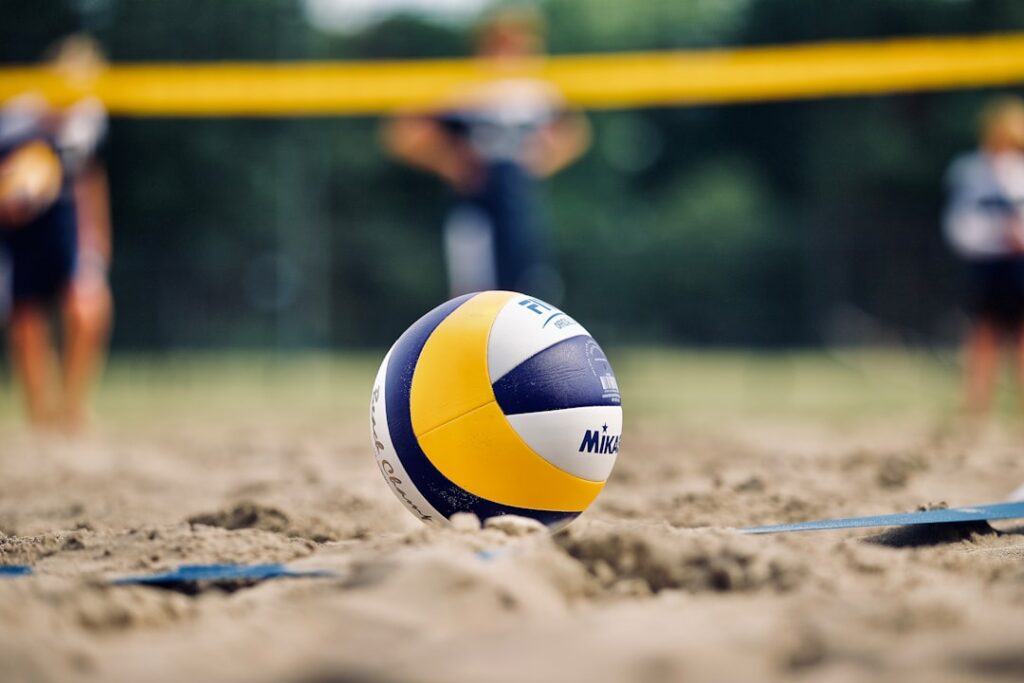
Stepping onto the court in ill-fitting or outdated gear can throw off a player’s focus before the game even starts. For men’s volleyball teams, whether collegiate squads or local clubs, selecting the right uniform matters more than just looks. The fabric and fit influence how players move and feel during a match. A jersey that chafes or shorts that restrict motion can be a constant distraction, especially in fast-paced play. When picking uniforms, think about the material first. Moisture-wicking fabrics are a practical must-have since they pull sweat away from the skin, keeping players dry and reducing irritation. Volleyball involves quick bursts of movement and constant jumping, so breathable materials also help prevent overheating during longer matches or tournaments. It’s not unusual for teams to test samples first to see how the uniforms hold up under real conditions. Customization options often get overlooked but carry weight for team morale. Personalized uniforms featuring team colors, logos, and player names build identity and unity. A well-branded look projects confidence and professionalism on the court, which can unsettle opponents. When ordering, confirm the provider offers high-quality printing or embroidery that won’t peel or fade after repeated washing. Fit is critical in volleyball uniforms. Jerseys and shorts should be snug enough to stay in place but loose enough to allow full range of motion. Some players prefer longer shorts that cover more leg for protection during dives, while others want shorter cuts to maximize agility. Finding the right balance often means ordering multiple sizes or styles to accommodate different body types within the team. Durability is a factor that pays off over time. Volleyball uniforms take consistent pounding from dives, slides, and regular laundering. Investing in fabrics resistant to tearing and fading saves money in the long run by extending the life of each uniform. Teams usually keep an eye on stitching quality and reinforce stress points when needed to avoid mid-season wardrobe failures. For teams outfitting new members or replacing old gear, package deals can simplify buying. Bundles designed for college teams or clubs typically include jerseys, shorts, and sometimes warm-up jackets, ensuring everyone matches without hassle. The mens volleyball uniform bundle is one example that helps manage costs while delivering coordinated looks. Ordering logistics are often underestimated but important. Some suppliers offer ready-made uniform sets available for immediate shipment, which is helpful when time is tight before a season starts. These options come in common sizes and designs that fit most players, cutting down on delays caused by custom orders or long production times. A practical tip: always double-check size charts against actual player measurements before ordering, as inconsistencies between brands can lead to returns or exchanges that disrupt team prep. Also, assign someone familiar with uniform policies to handle orders and distribution to avoid miscommunications, this simple step reduces errors like missing player names or wrong color combinations. Ultimately, the right men’s volleyball uniform blends comfort, durability, and style tailored to the team’s specific needs and budget constraints. Paying attention to these details ensures players stay focused on their performance and present as a unified group on the court. For more information on design options and uniform packages, visit volleyball team apparel choices.