Optometrist for Special Needs Patients
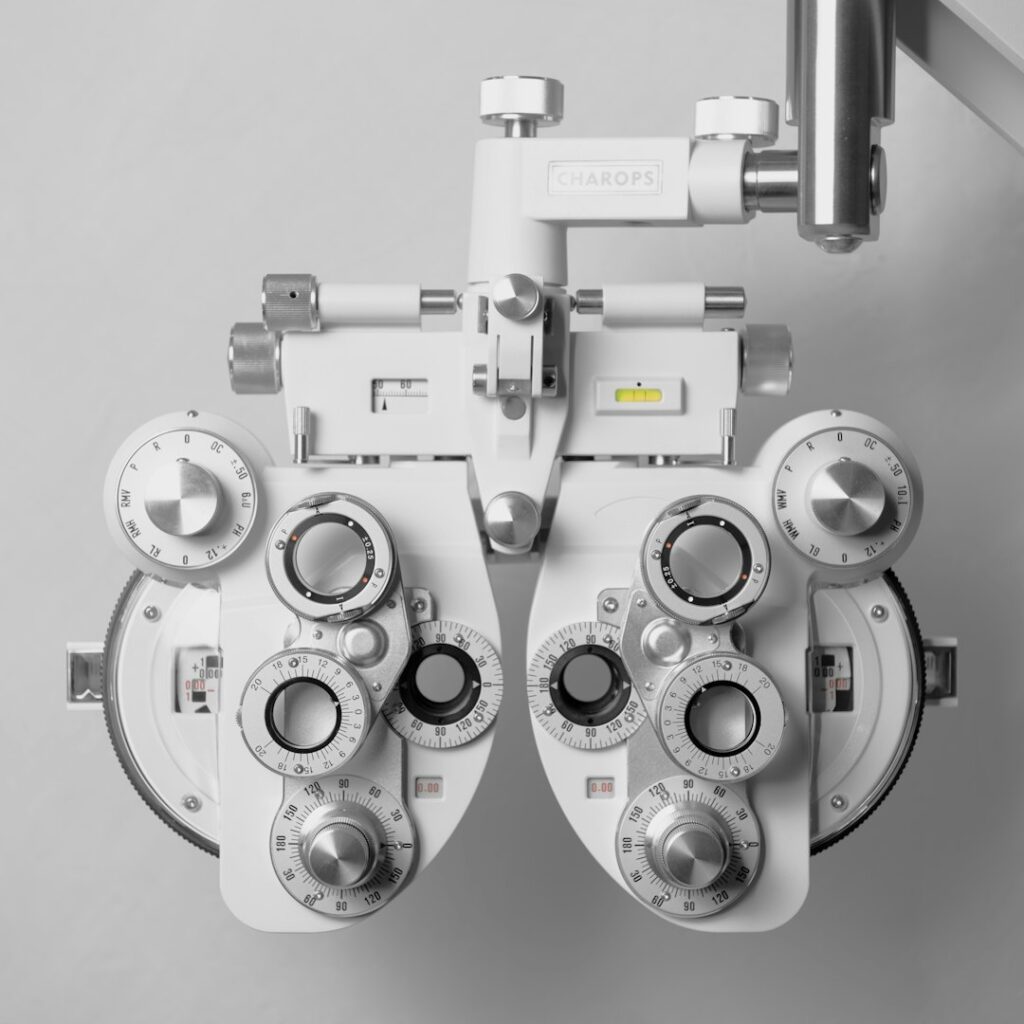
A parent walks into an eye clinic with a non-verbal child. No clear way to explain what the child sees or feels. This is a familiar moment for optometrists who focus on patients with special needs. The usual eye exam isn’t enough. Each visit demands adjustments, different tools, extra patience, and a clear plan to connect with the patient’s world. It’s not just about checking eyesight; it’s about understanding how to communicate when words aren’t an option. Vision assessments for those with additional needs go beyond reading letters on a chart. Developmental delays, sensory processing issues, and physical limitations all affect how tests are done. For example, optometrists often use picture-based charts or symbols designed for children with limited speech. Sometimes, they turn exams into a game or use toys to see how a child reacts to visual cues. These approaches help get a clearer picture without causing distress or confusion. Low vision testing is vital in this field. It identifies how much vision remains and what can make the most of it. Magnifiers, special glasses, or even apps can help patients in daily tasks. Lighting is another simple but effective tool; high-contrast backgrounds or adjustable lamps often improve visibility dramatically. An optometrist might suggest using tactile markers on objects or devices to support orientation at home or school. Some patients benefit from bioptic telescopes, small devices mounted on glasses that zoom in on distant objects without blocking peripheral vision. These are especially useful for students trying to read a board or adults crossing busy streets. Learning to use a bioptic takes practice, which is why ongoing training and follow-up appointments are part of the process. Cerebral Visual Impairment (CVI) presents unique challenges. The eyes themselves may be healthy, but the brain struggles to process what it sees. Optometrists trained in CVI look beyond the eyes, assessing how visual signals are interpreted and identifying triggers that overwhelm the patient. They recommend environmental changes, like reducing clutter or using clear visual boundaries, to ease visual stress and improve focus. From personal experience working with therapists and educators, I’ve seen how teamwork matters. Sharing insights about a patient’s behavior or preferences helps tailor each appointment and follow-up plan. Simple steps like recording which toys engage a child or noting times of day when the patient is more alert can make all the difference. It’s these small details that prevent repeating tests or wasting time. Families often come with paperwork from schools or therapists outlining specific concerns or developmental history. Reviewing these documents ahead of time prepares the optometrist to adjust techniques accordingly. It also helps avoid misunderstandings, like assuming a child won’t respond to light when they actually have difficulty focusing attention for long periods. In Brisbane, families seeking specialised vision care can find dedicated professionals familiar with these challenges. Resources like optometrist for special needs offer detailed information on available services and what to expect during visits. For those needing a broader overview of options and local providers, provides helpful guidance and contact details. vision care for children with disabilities
Explore Overhead Projector Options
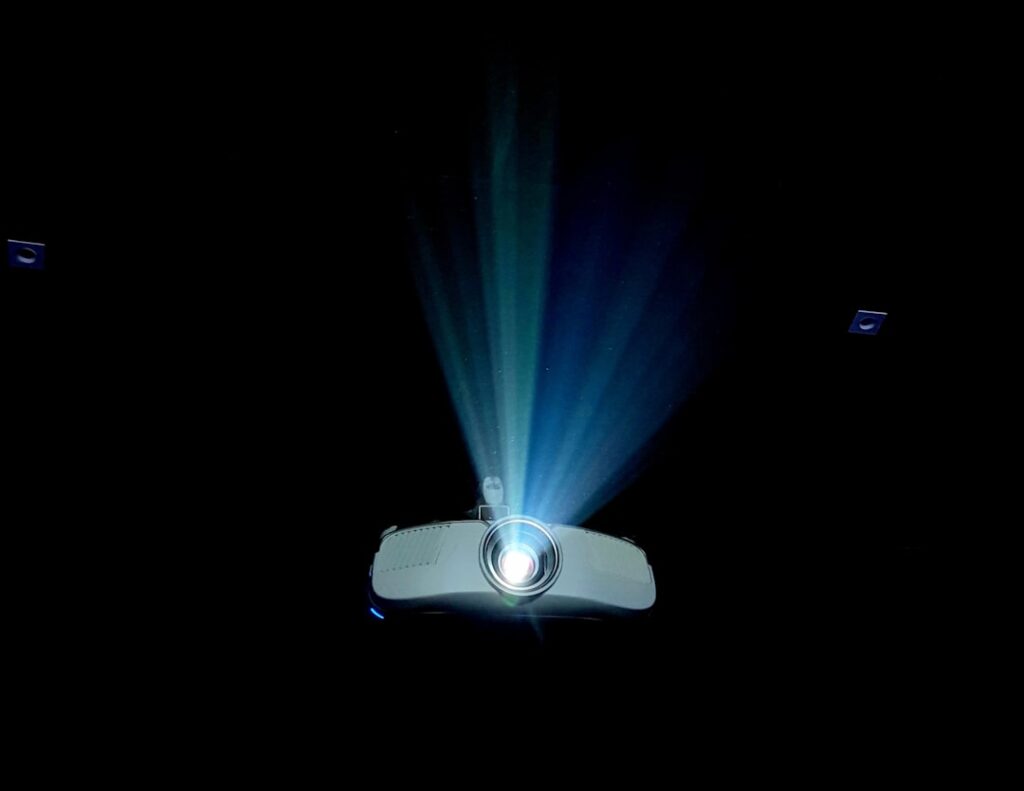
You’re prepping for a presentation in Parramatta and your old projector just gave out. Now you need a reliable overhead projector fast to keep your visuals sharp and your audience engaged. Renting equipment can be a solid fix here. Despite the rise of digital tech, overhead projectors still hold value, especially for those who like using transparent slides instead of digital files. When looking to hire an overhead projector in Parramatta, first figure out what fits your event. A small workshop usually doesn’t need anything fancy. But if you’re addressing a bigger crowd or a room flooded with light, you’ll want a brighter model with clear image quality. Picking the wrong projector can make your message hard to follow or dull the impact. Rental companies usually offer several projector types. Data projectors connect directly to laptops, which is handy for PowerPoint or video presentations. LED projectors stand out for their energy savings and vivid colours. If you still have traditional film slides, there are slide projectors built just for that. Knowing which type matches your needs saves time and hassle on the day. Setup can trip people up, but most overhead projectors are designed to get running quickly. It helps to keep cables organised and test your slides beforehand , a small step that avoids scrambling last minute. If tech isn’t your thing, ask about support from the hire company. They often send someone to assist or guide you through the setup, which can be a lifesaver when time is tight. Businesses hosting events regularly benefit from having a go-to rental partner nearby. Regular bookings might unlock perks like discounts or priority access during busy periods. Building that kind of relationship means less stress searching for gear each time and more focus on making your event run smoothly. If you want to explore what’s available, try reaching out to local professionals who handle projector rentals. They’ll help clarify what models suit your specific situation and mention extras like adjustable brightness or built-in speakers that might improve your presentation. For straightforward options and reliable service, visit overhead projector hire parramatta. Their website details models, pricing, and booking steps so you can lock in the right equipment quickly. When you need practical advice on technology for events, projector rental services in parramatta offer clear information without jargon. Checking their site early can prevent last-minute surprises and help you prepare effectively.