
Preclinical UK CRO For Business Owners

If you run a pharmaceutical business and have a promising drug candidate, the preclinical phase is where your project either gains traction or stalls. This stage demands thorough testing to confirm safety and efficacy before any human trials. A preclinical UK CRO can be a crucial partner here, offering expertise that most companies don’t have in-house. Toxicology testing is often the first hurdle. This includes acute toxicity to see immediate effects, chronic toxicity for long-term exposure, and reproductive toxicity to check potential impacts on fertility. A skilled CRO will help design studies that align with regulatory expectations while using the latest protocols. For example, they might recommend specific animal models based on your compound’s chemistry, which can save time and avoid costly retests. Pharmacokinetics and pharmacodynamics require equal attention. Understanding how your drug is absorbed, distributed, metabolized, and excreted shapes dosing strategies. It’s not uncommon for business owners to overlook these studies until late. A good CRO provides both in vitro and in vivo testing options, using validated assays to map the drug’s journey through the body. They often suggest iterative testing, adjusting dosages based on early results to optimize efficacy and reduce side effects. Regulatory compliance is a minefield. The data your CRO produces must meet strict guidelines from agencies like the MHRA or EMA before progressing to clinical trials. Experienced CROs don’t just conduct tests; they also prepare detailed study reports and data packages formatted for submission. They know common pitfalls, such as incomplete data sets or inconsistent documentation, that can trigger delays or requests for additional information. Technological innovation can speed things up. Some UK CROs incorporate high-throughput screening methods, allowing rapid evaluation of multiple compounds at once. Biomarker discovery is another tool they use to identify biological indicators predicting drug response or toxicity early on. These approaches help narrow down candidates faster, saving your team from investing in less promising options. Building a working relationship with your CRO is key. If unexpected toxicology results pop up, it’s vital your CRO responds quickly and helps troubleshoot. Sometimes, this means adjusting protocols or exploring alternative assays. Such responsiveness prevents projects from stalling and keeps timelines realistic. In practice, this often involves regular progress meetings and transparent data sharing. Engaging a preclinical UK CRO brings not just technical capabilities but also practical experience in drug development workflows. They understand what regulators expect and how to arrange studies efficiently without compromising quality. For instance, many will advise on suitable controls and statistical analysis plans upfront to avoid headaches during review. Understanding these aspects gives you an edge. Whether it’s through detailed ADME studies or leveraging biomarker technologies, being proactive reduces guesswork and surprises. Consider exploring drug development strategies tailored to your project’s needs.
Why You Should Pick a Winter Cap Today
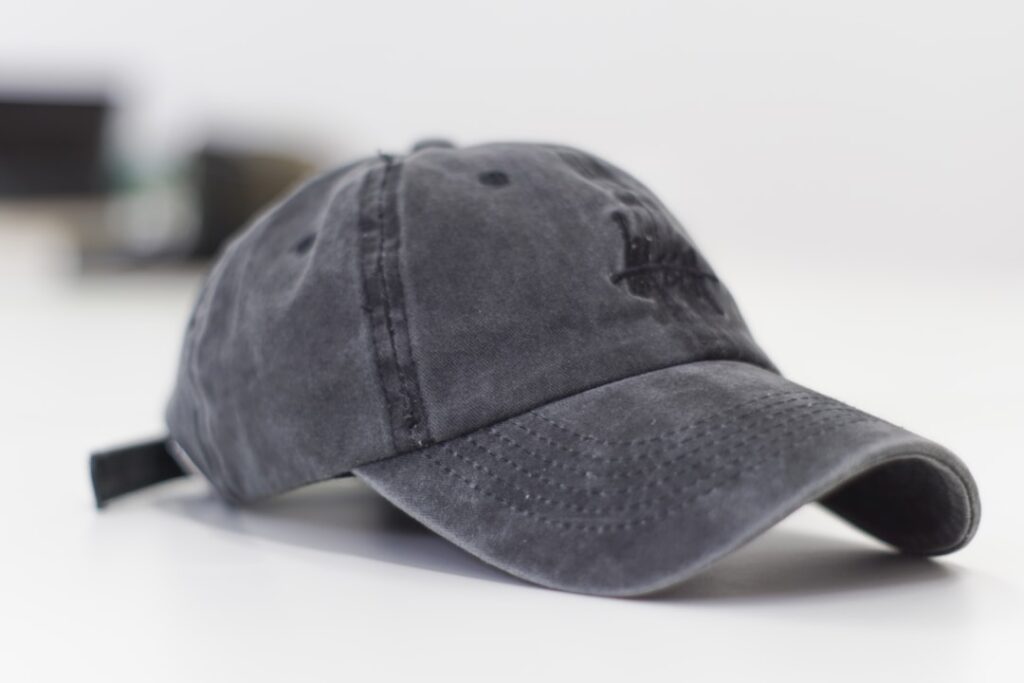
Stepping outside on a cold winter morning can be a shock to the system, especially when the wind cuts through your clothes and chills your ears. A winter cap isn’t just about looking good, it’s about keeping warm and comfortable enough to focus on your day. Whether you’re heading to work, running errands, or just spending time outdoors, a quality winter cap helps keep cold air at bay and reduces the chance of discomfort from freezing temperatures. It’s a small but effective way to protect yourself against the elements. Material choice makes a big difference. Wool remains a top pick because it traps heat naturally and breathes well, but it can feel itchy if you have sensitive skin. Acrylic caps are lightweight and often better at pulling moisture away from your head, which is handy if you’re active or tend to sweat. Fleece-lined options offer soft insulation and block wind effectively, making them great for blustery days. When shopping, check the label for fabric details and care instructions, since some materials shrink or lose shape if washed incorrectly. Fit matters more than many realize. Caps that squeeze too tightly can cause headaches or pressure points after a few hours. Too loose, and cold drafts sneak in around the edges. Adjustable straps, elastic bands, or stretchable fabrics help you find the right balance. Some designs include ear flaps or extended sides to cover more skin, which is helpful if you spend a lot of time outside in harsh wind. Trying a cap on before buying is worth the effort, what feels snug in the store might loosen after a day’s wear. Think about how often you’ll wear the cap and what activities you’ll do in it. If you need something for daily commuting or long outdoor sessions, durability counts. Look for tight stitching and sturdy fabrics that can handle repeated use without losing shape or warmth. For occasional wear, style might take priority, something that pairs well with your coats and scarves can improve your overall look without sacrificing function. Winter caps don’t have to be dull or plain. Many modern styles come with subtle patterns, textures, or colours that add personality while staying practical. A well-chosen cap can complement casual wear as easily as it fits into more polished outfits. That versatility means you won’t have to carry multiple hats for different occasions, one good winter cap can cover a lot of ground. If you want to browse a variety of designs that combine both style and function, check out the winter cap collections online. Remember to read reviews and look at photos from other buyers to get a realistic sense of fit and quality before ordering. Also, keep an eye on return policies, sometimes what looks good online doesn’t translate well in person. Maintenance is key if you want your cap to last. Some wool caps require hand washing or dry cleaning, while synthetic ones often go straight into the machine on gentle cycles. Ignoring care instructions can lead to shrinking, fading, or loss of insulation. A quick habit like checking labels before washing saves you from replacing hats prematurely. Layering accessories improves comfort when temperatures drop low. Pair your winter cap with scarves and earmuffs for extra protection against wind and frostbite risk. These items work together to keep your head and neck warm without overheating. Adjusting layers throughout the day depending on activity level or weather changes helps you stay comfortable longer. For a wider range of winter essentials suited to everyday use, feel free to winter accessories for cold weather. Combining practical gear with thoughtful choices makes the cold months easier to bear.