
Creative Coffee Shop Layout Ideas

Step inside a coffee shop where the layout feels both welcoming and practical. You’ll see seating arranged to support intimate chats and larger group meetups without overcrowding. A frequent mistake is packing too many tables into a tight space, which kills comfort and flow. Instead, divide your shop into distinct zones, a snug corner with armchairs for reading, plus a big communal table for groups. This setup not only improves the customer experience but also uses space smartly, preventing the cramped feeling that turns people away. Think carefully about how customers move through your shop. Map out the route from the door to the counter and then to the seats. Keeping this path clear cuts down on bottlenecks during rush hours. For example, placing a pastry display near the register works well. It tempts customers waiting in line without causing backups. Staff often report that a clear path reduces confusion, especially when the shop gets busy or new employees are training. Lighting sets the mood and influences how people behave. Natural light is ideal, so consider large windows or skylights if your building allows. But don’t rely solely on daylight, mornings and evenings need good artificial lighting too. Layer different types: ambient light for general brightness, task lights over seating or counters, and accent lighting to highlight decor or menu boards. Many owners keep lamps on dimmers to adjust brightness throughout the day, creating a dynamic atmosphere. Acoustics often get overlooked but matter a lot. Coffee shops can get noisy quickly, which drives some customers away. Using sound-absorbing materials like thick carpets or cushioned seats helps soften noise. Partitions or tall plants can break up open spaces and create quiet corners for working or private talks. Baristas sometimes notice that these quieter zones get booked first by regulars who want to focus or chat without shouting. Furniture choice should allow easy rearrangement. Movable tables and chairs let you adapt seating for events or peak times. Hosting open mic nights or art shows becomes easier when you can quickly clear space or add more seats. Lightweight pieces are best, they’re easier for staff to move around without hassle and don’t compromise style. Owners often label furniture pieces with small tags to keep track of inventory during busy days. Branding deserves attention in your layout too. Use your brand colors and themes throughout the space to build a consistent vibe that customers recognize. For example, if your brand emphasizes sustainability, incorporate reclaimed wood furnishings and lots of greenery. These details tell your story visually and create a cohesive environment that supports your values. Staff training manuals sometimes include guidelines on maintaining this visual consistency. Designing an effective coffee shop isn’t just about looks; it’s about function and how customers experience their visit from start to finish. Working with experienced coffee business trainers can offer practical advice tailored to your needs. coffee shop layout ideas are one part of building a strong foundation alongside marketing and management. To see how everything works together, explore resources that address day-to-day operations and growth strategies specific to coffee businesses. Real-world case studies often provide clearer guidance than theory alone. For practical direction on running your cafe smoothly and growing steadily, check out operating a successful coffee cafe.
Sports Field Lighting for Safety
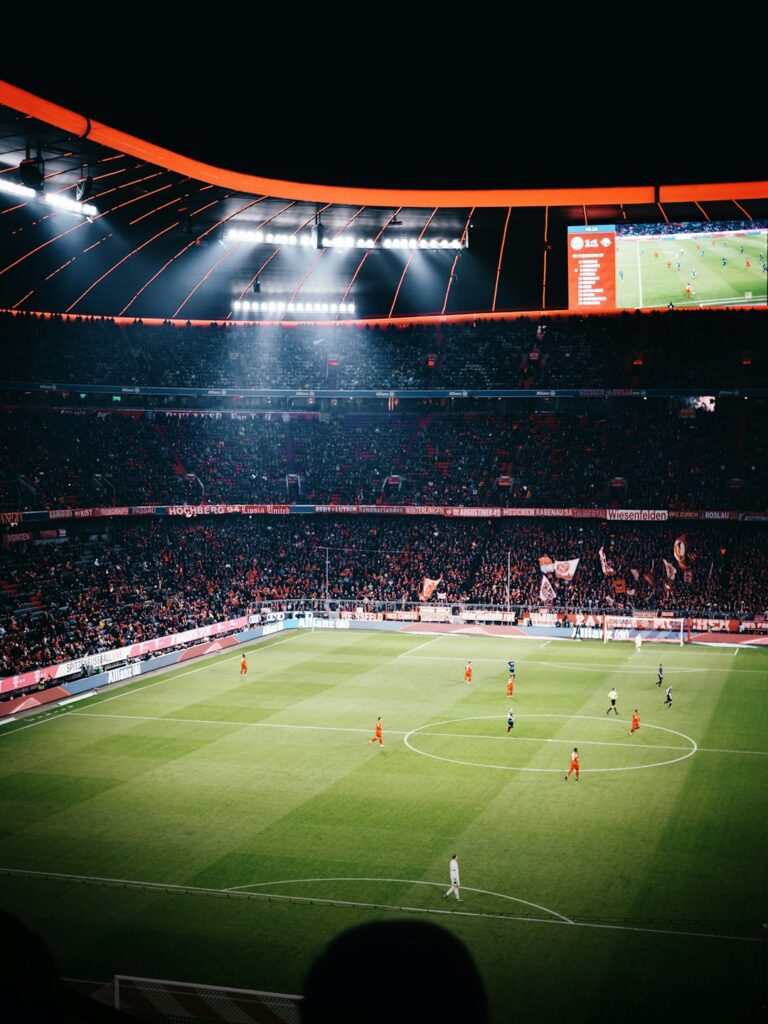
As daylight fades over a local sports field, players rush to complete their drills before darkness takes over. The current lighting setup, however, falls short, casting uneven patches of shadow that make it hard to see. This uneven lighting doesn’t just affect how the game is played; it creates real safety risks. Players stumble or misjudge distances in poorly lit zones, increasing the chance of injury. The coach notices these close calls and realizes the lighting needs serious improvement. The initial lighting installation was a one-size-fits-all approach. Standard floodlights were mounted at fixed heights and angles without regard to the field’s size or how it’s used. The result? Some spots are too dim while others suffer glare that distracts players. A better starting point would have involved measuring the field’s dimensions and mapping out activity zones. That data would guide the placement and direction of lights for consistent coverage. A key factor in designing sports lighting is the lux level, which measures how much light reaches the surface. Different sports demand different lux levels; for example, a casual football practice might need around 200 lux, but official night games usually require 400 to 500 lux for clear visibility. Calculating these figures before installation helps ensure sufficient brightness without wasted energy. Adjustable fixtures also add value by letting operators dial light intensity up or down depending on the event or time. Uniformity of lighting matters as much as brightness. One community centre cut costs by choosing cheaper lights without analyzing how evenly they lit the field. The result was uneven brightness that frustrated everyone using the space and disrupted play. Today, lighting designers often run computer simulations to predict how different setups will distribute light, reducing guesswork and costly fixes after installation. Energy efficiency is another practical concern. Older halogen lights burn a lot of electricity and fail quickly, pushing up maintenance costs. Switching to LED technology saves money over time since LEDs use less power and last longer. They also produce steadier light without flicker, which helps players keep focus during evening sessions. Smart lighting technology is becoming more common too. Sensors can detect ambient light and player presence, adjusting brightness automatically to avoid wasting energy when the field is empty or daylight is sufficient. These systems can be programmed to turn lights on and off at set times or link into weather sensors for safer operation during bad conditions. Installing reliable sports lighting requires careful planning and practical know-how. It’s important to check local standards and guidelines as well as confirm wiring and pole placements meet safety codes. Regular maintenance schedules prevent bulbs from burning out unexpectedly, which can disrupt events and increase repair costs. For communities looking to upgrade their fields, consulting with professionals in sports field lighting design can offer targeted advice tailored to the site and budget. They often bring experience with common pitfalls like glare control, fixture durability, and electrical load balancing. The investment in quality lighting pays off with safer play areas and better experiences for everyone involved. As more recreational spaces are developed, ensuring fields have appropriate illumination remains a priority for community sports programs and facility managers alike. For ongoing support and equipment options, checking out outdoor lighting installation services can provide valuable assistance.