Behavioural Optometry for Unique Needs
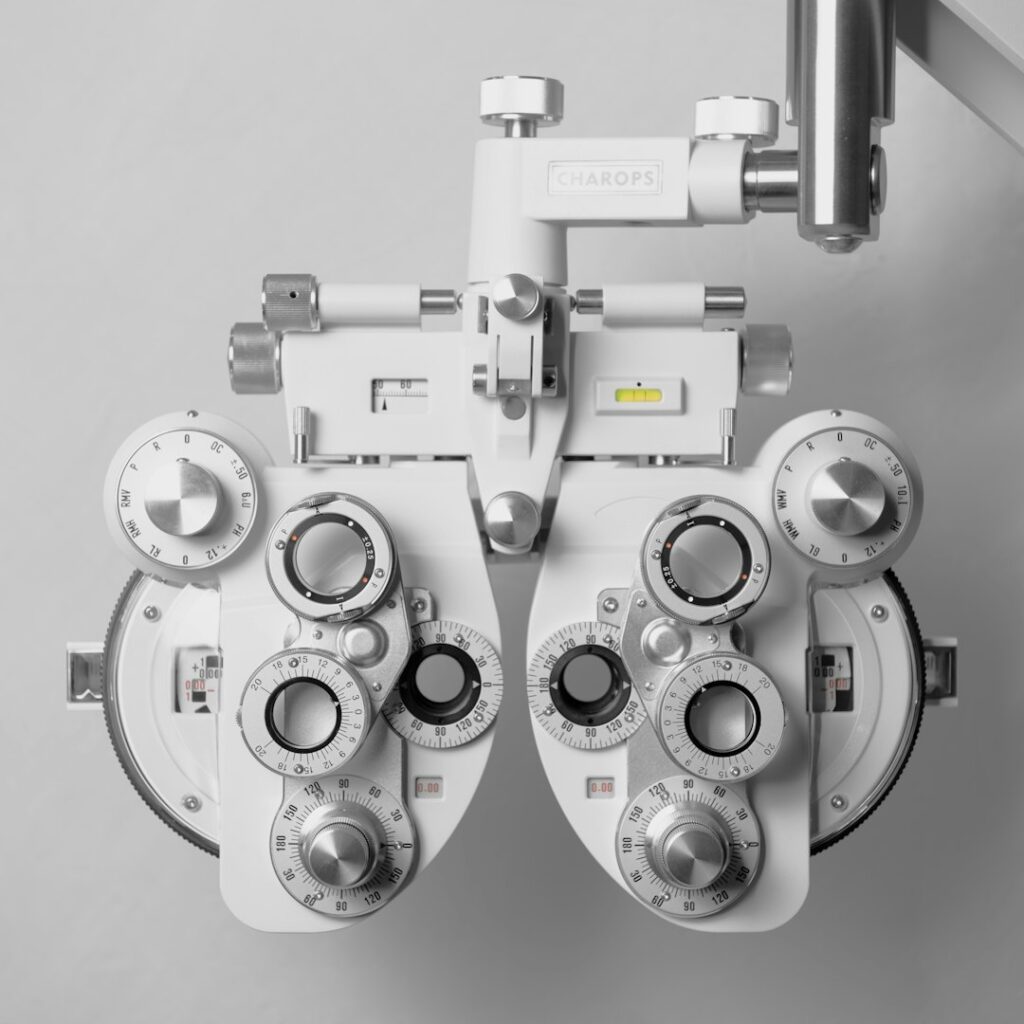
A child who can’t clearly see the blackboard often faces more than just blurry vision. The frustration builds, and so do questions for parents. A behavioural optometrist in Brisbane offers assessments that look deeper than standard eye tests. They know vision problems often connect to developmental conditions, so they tailor their approach to each person’s unique situation. These specialists don’t just check eyesight; they evaluate how the brain processes what the eyes see, which can affect learning and behaviour. For people with additional needs, a standard eye exam might miss critical issues. Take a child with autism, for example. Their visual processing could be atypical, making it hard to focus or interpret visual cues. A behavioural optometrist identifies these subtle difficulties and suggests practical strategies like visual breaks, coloured overlays, or specific exercises that support engagement and reduce strain. They might also work with teachers or therapists to ensure consistent support. Low vision assessments are another important service. Instead of just measuring how well someone can read letters on a chart, these evaluations determine how much usable vision remains and what daily-life adjustments can help. For instance, adjusting home lighting, decluttering spaces, or introducing magnifiers can make tasks like reading or cooking more manageable. The goal is to improve function using existing sight, not only to prescribe glasses. One tool often introduced through low vision assessments is the bioptic telescope. This device helps users see distant objects clearly while allowing natural vision up close. Imagine a student using one in class: they can follow presentations or watch sports without missing details. Learning to use a bioptic takes practice, often involving training sessions where the user learns to switch between normal and magnified views seamlessly. Cerebral Visual Impairment (CVI) presents another challenge. It’s not an eye problem but a brain-based difficulty interpreting visual information. Children with CVI might see shapes but struggle to understand what they’re looking at, causing confusion or avoidance of visual tasks. Behavioural optometrists assess these processing issues and develop personalized plans, including sensory-friendly environments and step-by-step visual training aimed at improving recognition and comfort. Parents often feel lost about whether to consult a traditional optometrist or seek a specialist. Speaking with a behavioural optometrist brisbane connects families with professionals who consider both vision and neurological factors. These practitioners usually review medical records and educational reports before testing, ensuring no detail is missed. They also explain findings clearly, avoiding jargon that can overwhelm caregivers. Beyond exams, behavioural optometrists frequently collaborate with occupational therapists, speech therapists, and educators to create coordinated care plans. They might recommend simple home exercises, such as eye-tracking activities or hand-eye coordination drills, that parents can do with their children daily. Scheduling follow-up visits ensures progress is tracked and adjustments made as needed. Overall, behavioural optometry addresses the full picture of vision-related challenges for people with additional needs or low vision. Through tools like bioptic telescopes and tailored strategies for CVI, these specialists help individuals engage more fully with their environments. For detailed information about services and how support can be arranged, visit vision care for developmental needs.
Spain Digital Nomad Visa Guide
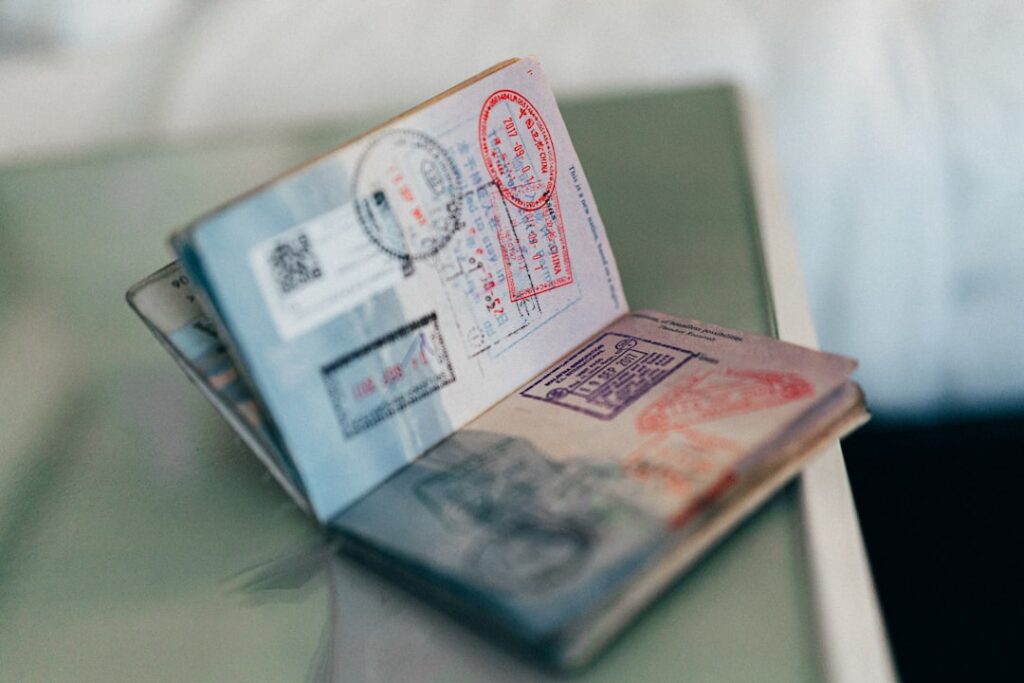
Picture a software developer in London fed up with the nine-to-five routine, eager to swap grey skies for Spain’s sunny coast while working remotely. This lifestyle is gaining traction among professionals wanting more flexibility. But applying for a Spain digital nomad visa can quickly become a nightmare without proper preparation. Many applicants stumble over document requirements, causing delays or outright refusals. A frequent mistake is submitting weak proof of income. Spanish officials want clear evidence you can support yourself, recent bank statements, contracts, and payslips are standard. Documents must be current and clearly show stable funds. Old or incomplete financial records often lead to rejection. Before applying, gather thorough and up-to-date paperwork to avoid headaches. Misunderstanding who qualifies is another trap. The visa targets non-EU citizens working remotely for companies outside Spain. Freelancers or those with Spanish clients usually don’t meet the criteria. It’s wise to double-check your status before investing time in the application process. Imagine a couple moving to Spain on this visa with plans to start a local business. They might think their visa covers entrepreneurial activities, but it doesn’t. Running a business without the correct permits risks invalidating their stay. Clarifying what activities your visa allows can prevent costly mistakes. The paperwork can overwhelm even seasoned applicants. Required documents include proof of employment, comprehensive health insurance, and a clean criminal record from your home country. Health insurance is often overlooked but mandatory, without it, expect delays or denials. Consulting someone familiar with immigration rules can ensure every form is filled out correctly. Post-Brexit, UK citizens face added uncertainty. Residency and work permit regulations have shifted significantly. Staying updated on these changes is critical to avoid surprises that could derail your plans. Checking official government sites regularly or consulting advisors who track these updates is a practical habit. Financial stability is key. Applicants should expect to prove steady income through contracts or pay slips covering several months. Showing a buffer of savings can strengthen your case. Also, maintain open communication with your employer to obtain letters confirming remote work arrangements. The visa process isn’t just about documents. Timing matters too. Applications submitted too close to intended travel dates often face delays due to thorough background checks. Starting the process at least three months ahead can smooth your transition. If you want tailored help with your move, spain digital nomad visa services offer guidance suited to your situation. For entrepreneurs needing advice on corporate compliance or labour laws in Spain or other EU countries, consider reaching out for business setup and compliance advice.