
Barista Lessons Online for Aspiring Pros

Walking into a coffee shop, the smell of fresh coffee beans and steamed milk hits you immediately. Behind the counter, baristas work fast but carefully, pulling shots and pouring milk with precision. It makes you wonder how they learned these skills. Online barista training offers a straightforward way to build those abilities from home or wherever you are. You can fit classes around your schedule, whether you’re already working in a café or just starting out. Online courses cater to all levels, from complete beginners to seasoned baristas aiming to sharpen their craft. They cover essentials like espresso extraction, how to grind beans correctly and achieve the right pressure and temperature for a balanced shot. You’ll also learn milk texturing techniques that create smooth microfoam for latte art, along with how to steam milk without burning it, which is a common mistake that ruins flavor. The best programs go beyond just making coffee. They include customer service training because handling busy rushes and tricky orders is part of the job. You’ll also get familiar with daily equipment care. For example, cleaning group heads every day prevents clogging and bitter shots. Knowing how to troubleshoot common machine issues, like a sudden drop in pressure or inconsistent steam, helps avoid downtime when the café is packed. Flexibility is key with online barista lessons. Many students balance work shifts and family commitments while progressing through modules at their own pace. Some finish in weeks, others take months. The practical assignments require you to practice making drinks at home or work, which builds confidence and muscle memory. One habit that helps avoid mistakes is keeping a small notebook to track grind settings and shot times, so you don’t repeat errors or waste beans. Certification matters if you want to stand out. Accredited courses give you proof of your skills recognized by employers. This can be a deciding factor when applying for roles at specialty cafés where high standards are expected. Certification often includes an assessment on both theory and practical skills to ensure you’re ready for the floor. Café owners see value in investing in staff education through online training. Employees who understand their machines, ingredients, and customer flow tend to work more efficiently and stay longer. Encouraging team members to take barista lessons online can improve overall service quality and reduce turnover costs. Beyond the basics, good courses cover espresso machine maintenance routines like backflushing and descaling, which extend equipment life and keep drinks tasting consistent. Knowing how to adjust grinder burrs or replace water filters are small tasks that save repair expenses and prevent service interruptions. Feedback from graduates often mentions how the training boosted their confidence behind the counter. They appreciate learning real-world skills like managing multiple drink orders while keeping calm. One student shared that practicing milk steaming while watching a timer helped them master consistent foam texture faster than just guessing by feel. For those serious about coffee careers or running a café, thorough training through online platforms offers practical knowledge and recognized certification. Pairing hands-on practice with solid theory prepares learners for the demands of busy coffee environments and helps them deliver quality beverages customers expect.coffee shop operations advice
Alignment Rack for Commercial Vehicles
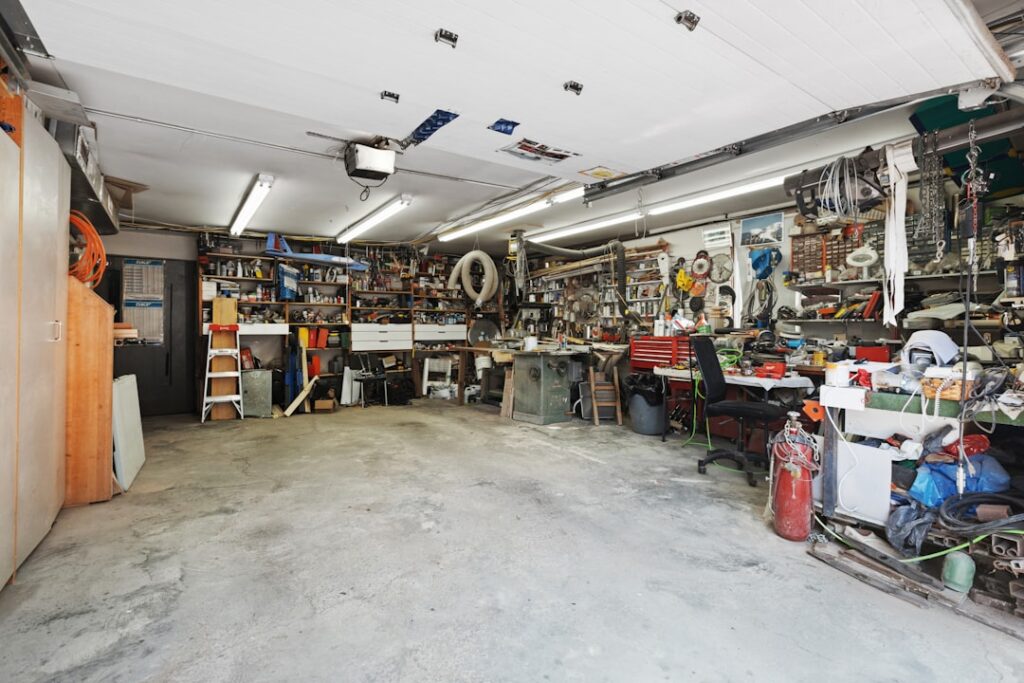
In a busy commercial vehicle repair shop, technicians often juggle multiple jobs, each requiring precise attention to detail. One of the most critical tasks is ensuring that trucks, buses, and vans leave the shop with perfectly aligned wheels. An alignment rack provides a dedicated platform equipped with precise measurement tools and adjustable fixtures to make this possible. Proper alignment not only improves handling but also prolongs tire life and reduces fuel consumption. Having such equipment on hand speeds up service times and keeps customers coming back. Alignment racks come with adjustable features to accommodate a wide range of vehicle sizes and suspension types. Many include laser-guided systems that measure angles like camber, caster, and toe with accuracy. These measurements are essential; incorrect wheel angles can cause uneven tire wear and poor vehicle control. When a technician inspects a truck with uneven tire tread, the alignment rack’s diagnostic capabilities help pinpoint the issue quickly, preventing costly follow-up repairs. Fleet managers responsible for multiple delivery vans often schedule regular alignment checks to avoid unexpected breakdowns. Investing in an alignment rack means these checks can be done in-house without outsourcing, saving time and money. The ability to make precise adjustments ensures vehicles maintain optimal performance, giving drivers a smoother experience and helping lower maintenance costs over time. In practice, technicians often keep detailed alignment reports on file for each vehicle, tracking changes over time and spotting trends before they become problems. Modern alignment racks often integrate digital imaging systems that display real-time feedback during adjustments. This allows technicians to see the exact impact of each tweak immediately rather than relying on guesswork or repeated measurements. Such technology reduces rework and increases confidence in the results. Shops also benefit from racks designed to handle vehicles with advanced suspension systems, which older equipment might struggle with, especially when dealing with air suspensions or multi-link setups. Heavy commercial vehicles pose challenges due to their weight and height. To handle this, many alignment racks incorporate pantograph lifts that raise and lower vehicles smoothly while maintaining stability. These lifts improve access underneath the vehicle for suspension inspections and adjustments without compromising safety. Technicians often develop routines for checking lift points carefully before raising a vehicle to avoid damage or injury. Keeping up with industry safety standards is a practical concern for any repair shop. Using an alignment rack helps ensure compliance with regulations related to vehicle servicing and workplace safety. Regular calibration of the rack and documenting those calibrations is standard practice to maintain accuracy and meet audit requirements. Clear communication between technicians and service advisors prevents misunderstandings about service scope, avoiding rework or missed inspections. Training technicians to use alignment racks effectively is just as important as having the equipment itself. Workshops or certification programs covering wheel alignment principles and equipment operation improve efficiency and reduce errors. A common habit among seasoned technicians is double-checking initial measurements before making adjustments, which minimizes mistakes caused by sensor misalignment or vehicle movement during setup. An alignment rack is more than a tool; it’s a key component in delivering reliable vehicle maintenance that customers trust. Shops that invest in quality equipment and staff training see fewer comebacks related to wheel issues. For those interested in upgrading their facilities or expanding services, visiting commercial vehicle maintenance resources can offer additional insights and options.
Practical Insights on Hardwood Flooring

Walking into a home with hardwood floors immediately sets a tone of warmth and natural appeal. In Maryland, many homeowners want that look but get stuck on myths that cloud good decisions. One common misunderstanding is that solid hardwood is the only worthwhile option. Engineered hardwood has earned its place for good reasons. It handles changes in humidity better, which is important in areas where moisture fluctuates. For businesses or homes with basements or over concrete slabs, engineered wood can be a more reliable choice without sacrificing style. Another frequent misconception is that hardwood demands excessive upkeep. Yes, it needs care but it’s straightforward. A daily sweep or vacuum prevents grit from scratching the surface. Every few years, sanding and refinishing restore its original charm. For business owners, investing in quality hardwood can elevate the property’s value and attract clients who appreciate a polished environment. It’s a practical investment, not just an aesthetic one. People often assume all hardwood types wear the same underfoot. Not true. Species like oak and maple are tough enough for heavy foot traffic found in retail spaces or busy offices, while softer woods such as pine may dent or scratch easily. Knowing this difference helps avoid surprises after installation. Checking the Janka hardness rating for each wood type can guide choices tailored to expected use. Installation methods also carry myths. Many think hardwood must be nailed down. That’s outdated. Glue-down and floating floors offer flexible alternatives, adapting to various subfloors like plywood or concrete. This flexibility can reduce downtime during renovations , a real benefit for businesses wanting to keep operations running smoothly. Another outdated idea is that hardwood floors can’t go over radiant heat systems. Modern engineered hardwoods work fine with radiant heating, allowing you to enjoy warm floors without compromising the wood’s integrity. It’s worth confirming product specifications because not all types suit radiant heat equally, but options are definitely available. For those looking for specific styles and finishes in the Maryland area, there are resources online that break down the options with clear explanations. One such resource is hardwood flooring maryland. Understanding different finishes like matte, semi-gloss, or high gloss, and how they react to wear and light, helps set realistic expectations. Sustainability matters more now than ever. Reclaimed wood flooring offers unique character while reducing environmental impact. These pieces often have a history visible in their grain and patina, giving floors personality you won’t find in new lumber. Choosing reclaimed wood requires attention to source and treatment to avoid hidden issues like pests or excessive wear. Maintaining hardwood floors isn’t just about cleaning; it’s about protecting your investment. Avoid harsh chemicals that strip finishes and limit water exposure to prevent warping or staining. A practical habit is placing felt pads under furniture legs to prevent dents when moving chairs or tables. Professional cleaning services every year or two can deep clean without damaging the floor. Separating fact from fiction when it comes to hardwood flooring opens up better options for both homeowners and businesses. Understanding material differences, installation methods, and maintenance needs lets you pick what really fits your space and lifestyle. For further details on selecting suitable hardwood products, visit wood flooring advice maryland.