
Planning and Fabricating Reinforcement Cages for Drilled Foundations
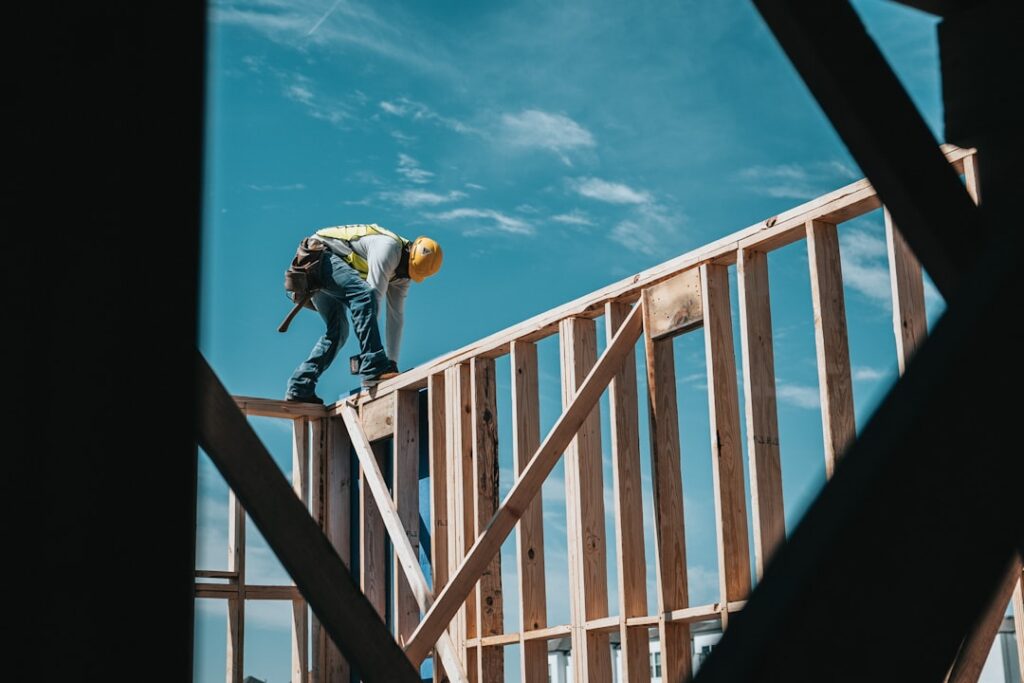
A drilled shaft can be ready for concrete while its reinforcement cage is still being assembled beside the work area. That mismatch can hold up the pour, extend crane time and create rushed lifting decisions. A reinforcement cage is a tied steel framework lowered into a bored hole, pile or foundation shaft before concrete placement. It gives the concrete reinforcement where tensile forces are expected and helps keep the steel in its specified position. Fabrication should therefore be planned around the shaft dimensions, reinforcement schedule, delivery route, lifting equipment and concreting method, not treated as a separate workshop purchase. The approved reinforcement drawings are the starting point. Check the bar diameters, quantities, spacing, cage length, laps, links, starter bars and any extra reinforcement at joints or connection zones. A lap is the length over which overlapping bars transfer force, and its required dimension must come from the design rather than a fabricator’s assumption. Before production, compare the latest drawing revision with the bar schedule and record which version is being used. A simple habit helps prevent rework: mark revised sheets clearly and keep the approved schedule with the fabrication inspection records. Verbal changes made beside the drilling rig should not replace documented engineering instructions. Cage geometry must allow both structural cover and practical installation clearance. Concrete cover is the distance between the outer reinforcement and the soil, casing or formwork. Spacers or centralisers help maintain that distance as the cage is lowered, but they do not correct a cage that was fabricated to the wrong diameter. Measure the finished cage at several points, particularly near rings, stiffeners and section joints. A cage that is oversized may catch on a steel casing or irregular shaft wall. A cage that is undersized may leave the bars outside their intended position, even if it passes easily through the opening. The shaft’s construction method should be discussed before steel is cut. Auger drilling removes soil with a rotating tool, while rock drilling uses equipment suited to harder material; either method can produce different access, casing and handling requirements. A liner or temporary casing may support unstable ground, but its internal diameter can restrict the available room around the cage. Groundwater also affects the planned concreting sequence and the time the cage may need to remain suspended. The final reinforcement arrangement belongs to the project engineer, while the fabricator and drilling contractor should confirm that the design can be installed under the actual site conditions. Long cages need a lifting plan, not just lifting lugs added as an afterthought. Their own weight can cause bending, distortion or local damage during loading and lowering. The rigging arrangement, lifting points, temporary stiffeners and any permitted support points should suit the cage length and the crane or excavator being used. Ask how the cage will be rotated, loaded onto the delivery vehicle and guided into the shaft. A lifting sketch or handling note can expose a problem before steel arrives on site. It should also identify whether the cage will be lifted as one unit or assembled from shorter sections beside the hole. Restricted sites often make sectioned fabrication the practical option. A project beside an operating roadway may have limited storage, short traffic-control windows and little room for a crane to work. In that setting, manageable cage sections can be fabricated, tagged in installation order and delivered close to the planned pour. Section joints must maintain the specified bar continuity and alignment, with connection details checked against the drawings. Keep sections on suitable supports rather than directly on mud or uneven ground, and protect projecting bars from damage during loading. A quick count of tags against the delivery docket can prevent the wrong section reaching the rig. The fabrication and drilling teams should agree on the interface before production begins. Confirm who supplies the reinforcement steel, who verifies dimensions, who installs spacers, who unloads the delivery and who controls the lowering operation. Establish inspection points for bar size, spacing, cage diameter, lap length, welds or ties where applicable, and section identification. Welding should not be assumed acceptable simply because it is convenient; its use must follow the design and project requirements. A contractor providing reinforcement cage fabrication may coordinate cage work with auger drilling, casing and placement, but the division of design and site responsibilities should remain written and clear. Before the pour, compare the installed cage with the approved drawings and the shaft record. Check its top elevation, alignment, cover, section connections, cleanliness and stability, then confirm that the concrete delivery and placement method will not displace it. The inspection should be completed before the cage disappears below the concrete surface, since later correction is rarely practical. On projects where drilling and steel installation are managed together, a written sequence for hole acceptance, cage delivery, lowering and concrete placement can keep crews working from the same information. Good drilled shaft planning connects these handoffs without transferring engineering decisions to the fabrication yard or the installation crew.
Airbnb Management Services in Melbourne
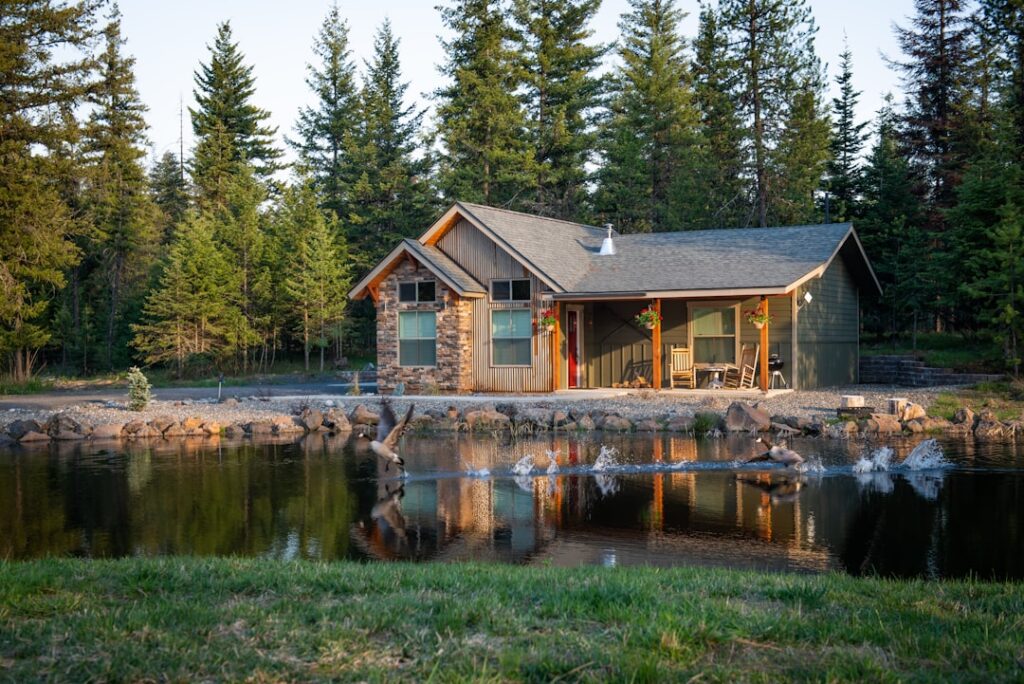
Owning a rental property in Melbourne can be a solid income source, especially through platforms like Airbnb. But managing bookings, cleaning schedules, maintenance, and guest communication can quickly become a full-time job. That’s where an Airbnb management company steps in. They handle the day-to-day tasks so you don’t have to while helping you get the most from your property. These companies don’t just list your property and hope for the best. They actively market it, often hiring professional photographers to capture high-quality images that attract more bookings. Pricing isn’t guesswork either; they monitor local demand and adjust nightly rates regularly to keep your property competitive without underselling. You’ll also find they ensure your place meets strict cleanliness and safety standards, which guests expect and review sites reward. Screening guests is another crucial service. Not all renters treat properties respectfully. Management teams use background checks and identity verification tools to reduce risks like property damage or nuisance behaviour. This screening process can prevent costly problems down the line, and it’s a step many individual hosts overlook. Support during guest stays is typically available around the clock. Say a heater breaks in the middle of winter or a guest can’t figure out the lockbox code late at night , having someone ready to respond immediately can make or break a guest’s experience. Quick fixes and clear communication often lead to better reviews and repeat bookings. Melbourne has specific rules for short-term rentals, including registration mandates and zoning restrictions that can catch hosts off guard. A reliable management company stays updated on these regulations, filing paperwork as needed and making sure your rental complies. This reduces the risk of fines or forced shutdowns, which can be costly and disruptive. Before hiring a company, check their experience with properties like yours and read client reviews closely. Look for comments about responsiveness, upkeep quality, and how well they handle guest issues. A good firm will have detailed, consistent feedback showing steady occupancy and satisfied renters. Also, ask about how they coordinate cleaning between stays , a common snag is miscommunication causing delayed turnovers. For more detailed information on Airbnb management in Melbourne, visit airbnb management companies melbourne. Understanding what each service offers will help you pick one that matches your property and goals. Whether it’s Stephen Hall or James Johnston managing your listing, experienced managers focus on the details to keep your property running smoothly. If you want to reduce your workload while improving your rental’s performance, schedule a call with our Principal Agent or visit local short-term rental advice for practical insights tailored to Melbourne properties.
How to Choose Builders in Mount Barker?
Standing on a vacant block in Mount Barker, ready to build your home, the challenge is clear: finding the right builder. This person will shape your vision into a structure, so choosing carefully matters. Local builders vary widely , some focus on new homes, others on renovations or commercial work. Knowing what each offers helps you avoid costly mistakes. Experienced builders familiar with Mount Barker’s rules and environment tend to handle projects smoother. For example, if your land slopes, a builder who knows how to manage drainage and foundation issues will save headaches later. Checking online reviews and talking to past clients reveals how builders perform beyond their sales pitch. The services builders provide differ significantly. Some specialise strictly in custom homes, others might not have expertise in sustainable building practices. If green features like solar panels or rainwater tanks are important to you, look for builders who can incorporate them effectively. Early conversations about your goals will show if a builder shares your priorities. Also, ask about their typical project timeline and how they manage subcontractors. Miscommunication here often leads to delays and unexpected costs. Budgeting is often the trickiest part. Builders’ quotes can vary based on materials, labour, and included features. Some estimates cover everything from excavation to final fixtures; others leave landscaping or interior finishes out. Request detailed bids and compare line-by-line to avoid surprises. Don’t hesitate to ask why certain items cost more than others. A transparent builder will explain costs clearly rather than giving vague answers. Also, keep in mind that cheaper isn’t always better if it means corners might be cut. Communication style matters more than many expect. A builder who listens carefully and responds promptly reduces stress during construction. Pay attention in initial meetings: do they understand your questions? Do they offer practical suggestions without dismissing your ideas? Clear communication prevents misunderstandings , a common cause of rework or disputes on site. Some builders provide regular updates through calls or emails; others only when prompted. Decide what works for you before signing a contract. Visiting completed projects gives a real sense of a builder’s quality. Seeing the finish and talking with homeowners uncovers details that photos or promises can’t capture. Are walls straight? Is the paint consistent? Has the builder addressed issues that came up during construction? Homeowners often share honest feedback about responsiveness and aftercare services , both crucial for long-term satisfaction. Don’t skip this step; it’s one of the most reliable ways to check if a builder meets your standards. If you’re searching for builders mount barker, remember it’s not just price or speed that counts. The right builder understands your vision, works within your budget, and communicates openly. They also navigate local council requirements without fuss, so your project proceeds without regulatory delays. Keep all agreements in writing and confirm permits are obtained before work starts. This helps prevent costly legal issues later. When weighing your options, look out for builders who prioritise honesty about timelines and costs. They’ll warn you if issues arise rather than waiting until problems escalate. A practical habit many experienced builders follow is scheduling regular site inspections with clients, ensuring transparency throughout construction. Don’t overlook small details such as whether they provide a clear warranty and how they handle unexpected changes. These aspects impact your experience long after the last nail is hammered. Finally, consider visiting recent home builds in mount barker for fresh examples of workmanship and design trends in the area. Observing these projects helps you refine what you want and spot quality differences among builders. Building a home is a major commitment; working with someone who respects that makes all the difference.