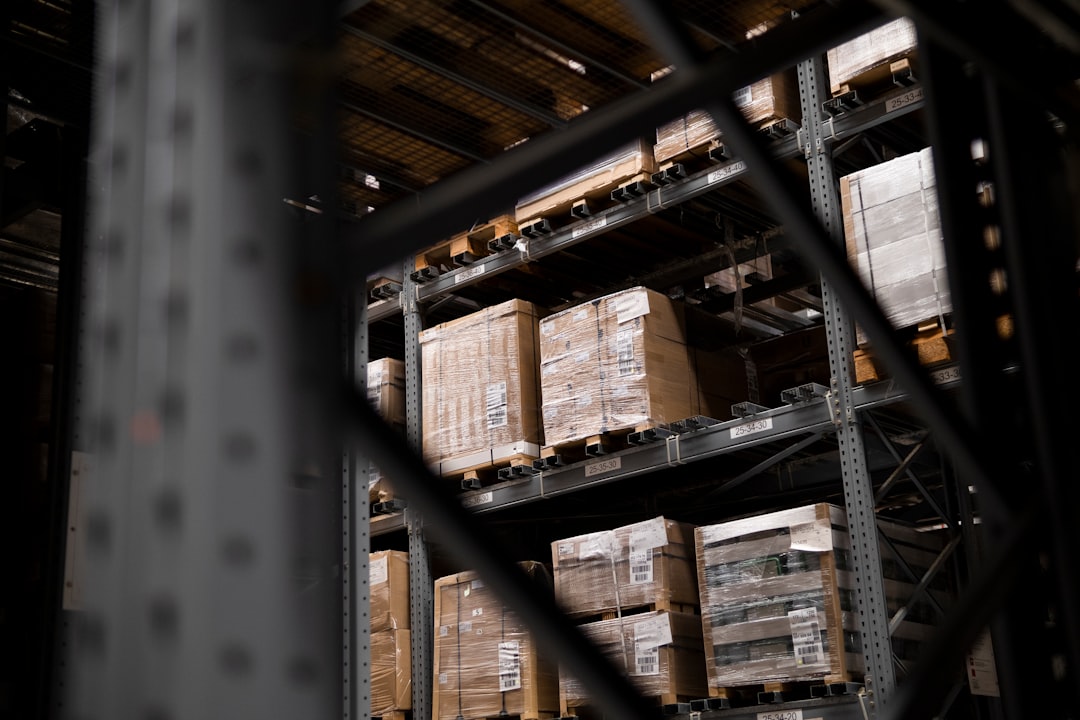
Managing a busy warehouse means every second counts, especially when tracking thousands of products. Barcode stickers are essential tools that help reduce errors and speed up inventory checks. With barcode labels, staff can scan items swiftly during shipping or receiving, keeping stock counts accurate and cutting down on manual mistakes. In practice, workers often keep scanners at hand and double-check scans against purchase orders to avoid mix-ups. This method not only saves time but also keeps inventory data reliable.
QR code labels have become popular for businesses aiming to connect with customers beyond just the product itself. For example, retailers often place QR codes on packaging that link shoppers to detailed usage instructions or special deals. Customers appreciate quick access to this info via their smartphones, which can also provide companies with feedback on popular content. It’s common for staff to remind customers about these codes during checkout to boost engagement.
Numbered identification labels are a straightforward way to keep track of stock across multiple sites. Assigning unique numbers to each item helps businesses spot discrepancies early and trace products through the supply chain. This is particularly important in industries like healthcare or manufacturing, where precise documentation is mandatory. A typical practice is to maintain a log that cross-references numbered labels with batch information, ensuring compliance and easier audits.
Security barcoding labels add another layer of protection for valuable goods. These often include features like tamper-evident surfaces that reveal if a product has been opened or altered. Retailers dealing with luxury items use these labels to prevent theft and reassure customers about authenticity. Warehouse teams usually inspect these labels during packing and receiving to catch any signs of tampering before products reach shelves.
Customising barcode labels means you can tailor them to fit different surfaces and environments. Label providers offer choices in size, adhesive type, and materials, making sure the stickers stick properly whether on cardboard boxes, plastic pallets, or small metal components. Some businesses add their logos or brand colours to labels for easy identification and consistency across shipments. It’s a good habit to test label adhesion on the actual packaging before placing large orders to avoid reprinting.
Ordering labels has become easier with online platforms that let you design and purchase directly. Working with suppliers who understand your needs means you can get advice on the best printing techniques and materials for your use case. Clear communication upfront about your environment, like exposure to moisture or extreme temperatures, can save headaches later by ensuring durability.
Start your barcode labelling process by consulting with professionals who can guide you through selecting the right products. Having knowledgeable contacts in the label industry frees you up to focus on daily operations without worrying about label quality or compatibility. Whether you require barcode stickers or more specialised labelling options, getting the right advice early prevents costly mistakes.
Effective labelling improves operational efficiency and customer experience alike. Clear product information helps buyers make faster decisions and reduces questions at checkout. As technology becomes a bigger part of business management, investing in durable, high-quality printed labels pays off. Don’t hesitate; contact label manufacturers directly to explore custom labelling options that fit your business needs.