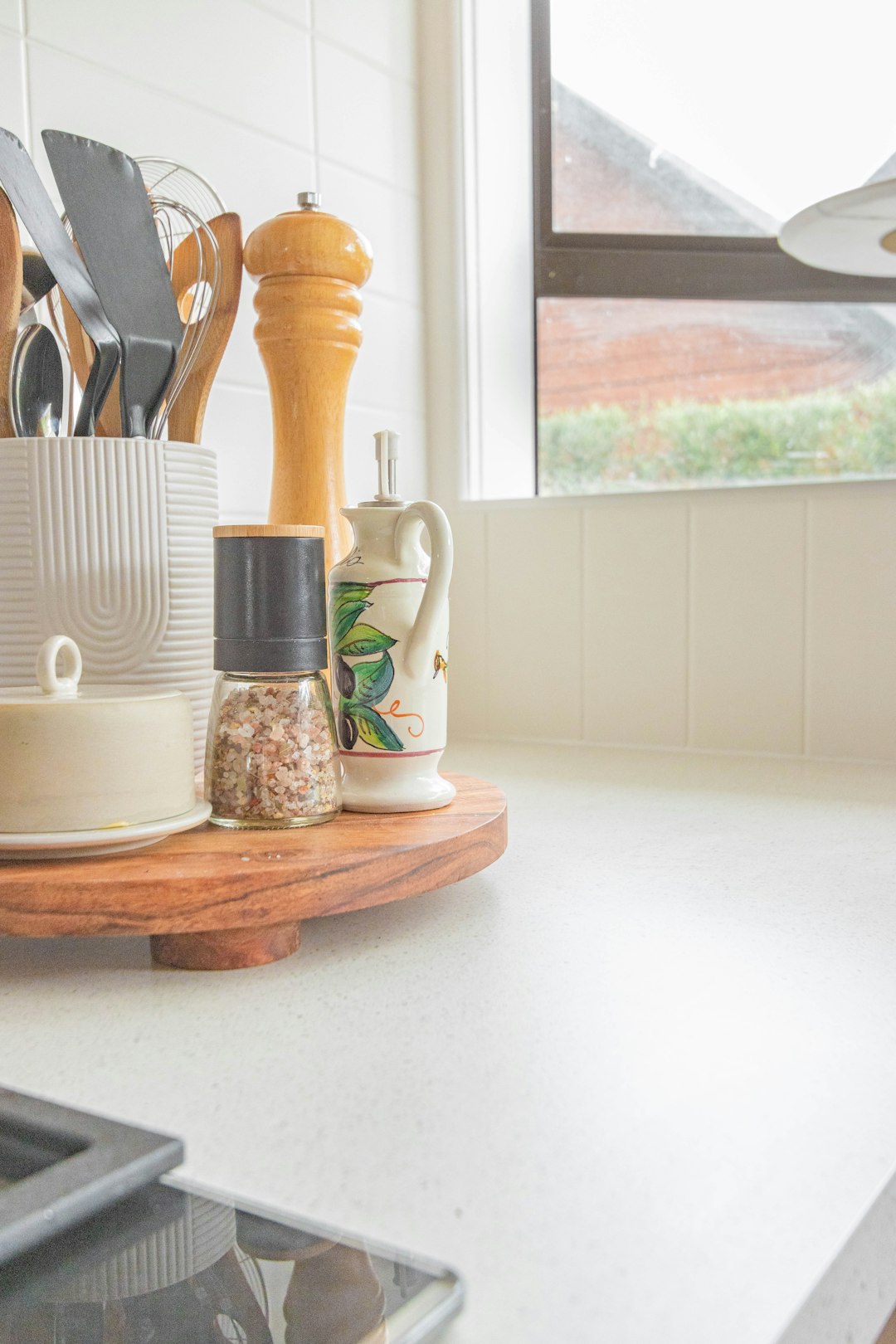

Storage is frequently underestimated. Choosing attractive wood-stained cabinets is common, but these often don’t offer enough practical space for all the pots, pans, and gadgets people accumulate. Custom features such as pull-out shelves, deep drawers, or corner carousels can create much more usable storage while keeping the kitchen tidy. Modular units adapted to specific needs help keep items organized and accessible, saving time and frustration.
Material choice can cause problems too. Polymer doors often appeal because they look sleek and cost less, but they may not endure kitchen conditions well. Heat and moisture can cause them to warp or discolor over time. A better bet might be HDF paint-grade cabinetry, which offers a durable surface and flexibility in colors. These materials can be refinished if tastes change, extending the kitchen’s life without a full overhaul.
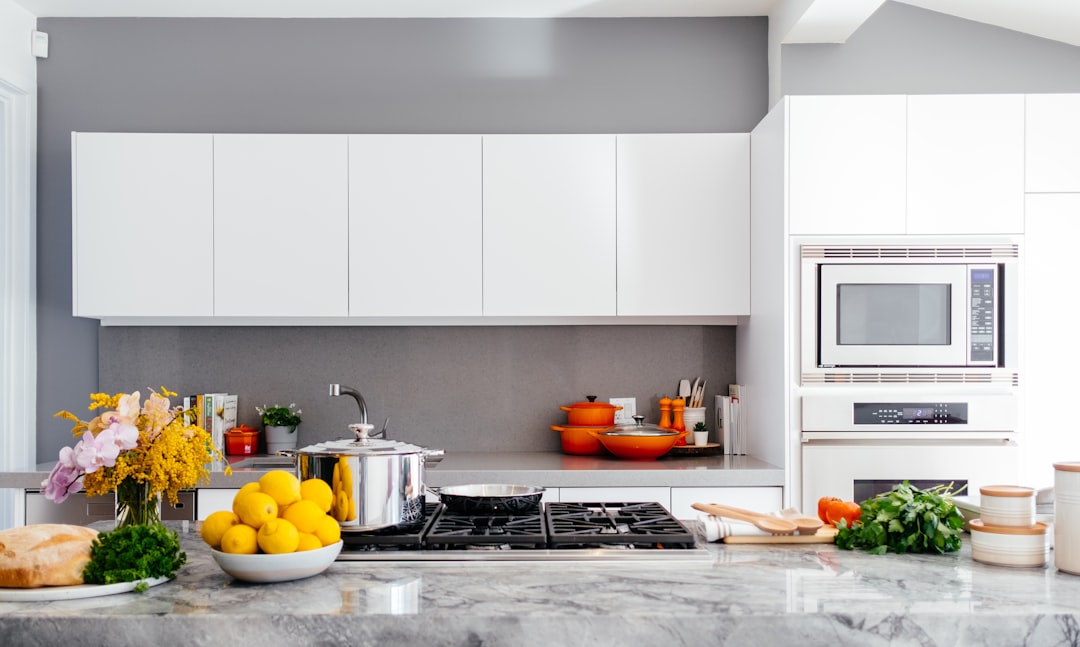
Designing for efficiency means arranging key elements so cooking flows smoothly. Putting the refrigerator far from the prep zone adds unnecessary steps and wastes time. Following the work triangle principle, keeping sink, stove, and fridge close to each other, makes moving between tasks effortless. It’s a simple fix that makes a kitchen feel more spacious and saves energy during meal prep.
Lighting often gets overlooked until after installation. Relying on just overhead fixtures leaves shadows on counters where you chop and mix. Layered lighting is better: under-cabinet LEDs brighten work surfaces directly while pendant lights add style and warmth. A well-lit kitchen invites cooking instead of feeling like a chore. A quick habit to avoid rework is checking lighting at different times of day before finalizing fixtures.
Hiring an experienced kitchen designer can prevent costly errors. They understand how to balance aesthetics with function and know which materials hold up best in real kitchens. A good designer listens to your habits and customizes the layout accordingly, avoiding generic plans that don’t fit your lifestyle. Bringing them in early saves headaches down the line.
Choosing finishes and appliances shouldn’t be rushed either. Homeowners often pick trendy styles without thinking about how they’ll feel in years. Sticking with classic finishes and reliable appliances tends to work better long term. Some homeowners find it useful to create a mood board or sample kit to live with for a week before committing. Getting professional advice helps ensure selections complement each other and suit your cooking style.
Finally, it helps to keep all measurements and design notes organized throughout the project. Miscommunication between contractors and suppliers about dimensions or materials causes delays and extra costs. Keeping a dedicated folder with all specs and photos makes referencing details easier when questions arise on site. Small steps like this save time and prevent rework during construction.
A thoughtful kitchen design considers how you really use the space, not just how it looks on paper. Paying attention to storage needs, material durability, lighting quality, and functional layout makes a huge difference in daily life. Consulting with a kitchen layout consultant offers insights tailored to your home and habits, helping create a kitchen that works as hard as you do.