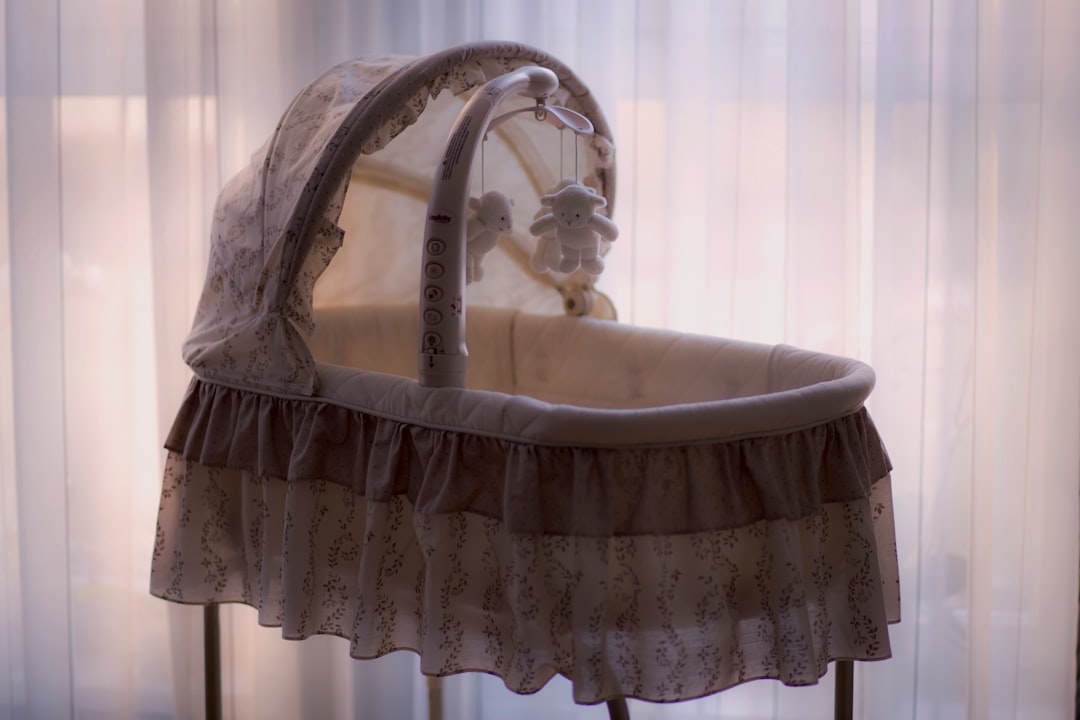
Setting up a nursery is often one of the first tasks new parents tackle, and picking crib bedding quickly becomes a key focus. Some parents go for bright colours and playful designs, hoping to spark their baby’s imagination. But fabric safety tends to get overlooked. Breathability and non-toxic materials matter because newborn skin is delicate and prone to irritation. Choosing bedding made from natural, chemical-free fabrics can prevent skin problems and help your baby sleep comfortably.
A retailer running a baby products shop recently saw a rise in demand for organic cotton bedding. Customers worry about chemicals used on regular fabrics and want safer options. The owner stocked only organic cotton but didn’t check factors like thread count or fabric strength. This led to complaints and returns when sheets wore out quickly or didn’t feel soft enough. Thread count affects not just softness but durability; a balance is needed to keep bedding comfortable yet long-lasting.
Understanding technical terms can help parents make better choices. Breathability refers to how well air passes through the fabric, which is vital to avoid overheating during sleep. Too dense a weave traps heat and moisture, which can be dangerous. Thread count influences texture, higher counts usually mean smoother fabric, but if too high, it can reduce airflow. Parents should look for bedding that balances these qualities.
Fit matters just as much as material. A properly fitted mattress cover prevents gaps where a baby could get trapped or suffocate. Sheets designed for specific crib mattress sizes stay put through the night, reducing the risk of accidents and helping babies sleep better. Loose sheets wrinkle and bunch up, making restless nights more likely for both infant and parent.
Material choice involves trade-offs. Cotton is popular for softness but may hold moisture longer than some synthetics, which wick sweat better and dry faster. Synthetics can also be tougher, but many come treated with chemicals that might irritate sensitive skin. Checking labels for certifications or information on treatments can guide safer purchases. Parents often juggle these factors while considering sustainability and personal values.
Retailers adjusting to changing customer preferences might offer a range of options beyond just organic cotton, including hypoallergenic bedding or products made from recycled fibers. Educating buyers about what these features mean helps customers make informed decisions without being overwhelmed. Highlighting items like baby crib bedding crafted from certified organic materials can set a store apart in a crowded market.
Seasonal shifts also influence what sells. Thicker blankets or quilted bedding see more interest in colder months, while lightweight sheets dominate summer sales. Tracking these patterns ensures stock matches what families need at any given time. It’s common for retailers to adjust orders based on past seasons’ data to avoid excess inventory or shortages.
Parents should also check care instructions closely. Some fabrics shrink or lose softness after a few washes, while others maintain quality longer. Washing new bedding before use removes residual chemicals and softens fabric but can also reveal fit issues early. Keeping an eye on how bedding holds up over time prevents repeated purchases and frustration.
For those wanting more product ideas or detailed advice on crib bedding options, browsing resources like organic baby bedding advice can provide practical tips and recommendations tailored to nursery needs.