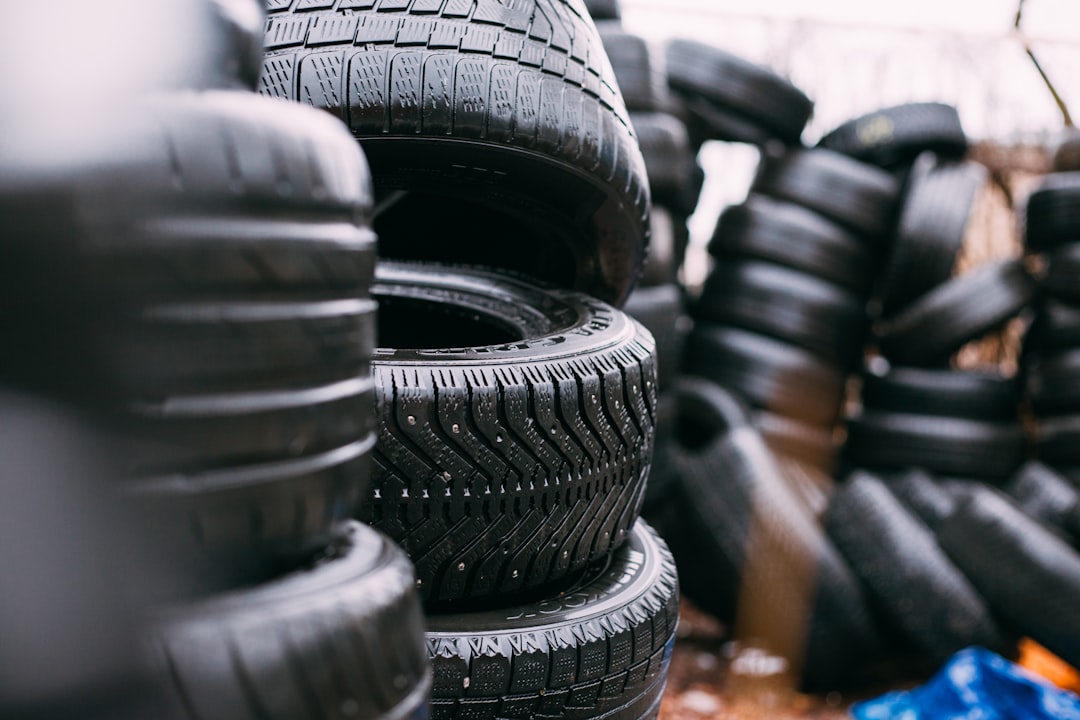
Starting your workday with a skid steer loader that has worn or unsuitable tyres can slow down any job. Tyres with poor tread or the wrong type for the ground can reduce traction, increase task time, and create safety hazards. Proper tyre selection boosts your loader’s efficiency and can extend its service life. Many operators make the mistake of using turf tyres on rough, rocky terrain. These tyres wear out quickly and risk blowouts. On the other hand, solid tyres won’t provide enough grip in muddy conditions and may cause your machine to get stuck. Knowing the difference between radial and bias ply tyres, and how tread patterns affect grip and wear, helps you pick the right tyre for your situation.
Tyre pressure is often overlooked but directly affects performance and tyre longevity. Over-inflated tyres reduce the contact area with the ground, leading to uneven wear and less stability. Under-inflated tyres increase rolling resistance, straining the machine and causing faster tyre degradation. Checking tyre pressure daily against manufacturer guidelines should be part of routine maintenance. A common habit among experienced operators is to keep a portable pressure gauge on hand to spot-check during breaks.
Regular tyre inspections catch small problems before they become costly repairs. Cuts, punctures, or uneven wear patterns often go unnoticed until they worsen. Inspect your tyres for embedded debris, sidewall damage, or tread separation every day before starting work. This simple step can prevent breakdowns in the middle of a project. Operators also tend to keep basic repair kits nearby for quick patching if needed, reducing downtime significantly.
Load capacity and task type influence tyre choice as well. For soft surfaces like sand or loose soil, wider tyres spread the weight more evenly and help prevent sinking. Narrower tyres are better suited for jobs requiring tight turns or working in confined spaces because they offer better maneuverability. It’s also worth considering tyres designed specifically for abrasive surfaces if you frequently work on concrete or asphalt, as these have tougher compounds to resist chipping.
Choosing durable skid steer tyres means understanding your work environment, machine requirements, and maintenance habits. For example, some operators swap between different sets of tyres seasonally to match changing ground conditions. Keeping detailed records of tyre usage, pressure adjustments, and repairs is another practical step that helps predict when replacements will be necessary.
If you’re shopping for new equipment, look closely at the manufacturer’s recommendations but also factor in your daily tasks and terrain challenges. Investing time in learning about different tyre constructions and tread designs pays off in longer tyre life and fewer interruptions. For tailored advice on selecting the right skid steer tyres, reach out to specialists who understand your needs.
Our team offers hands-on guidance to help you pick tyres that fit your loader’s workload and conditions perfectly. We also provide tips on tyre care routines that keep performance steady over time. Don’t hesitate to contact us for tyre service help and support so your machinery stays reliable and ready for every job.