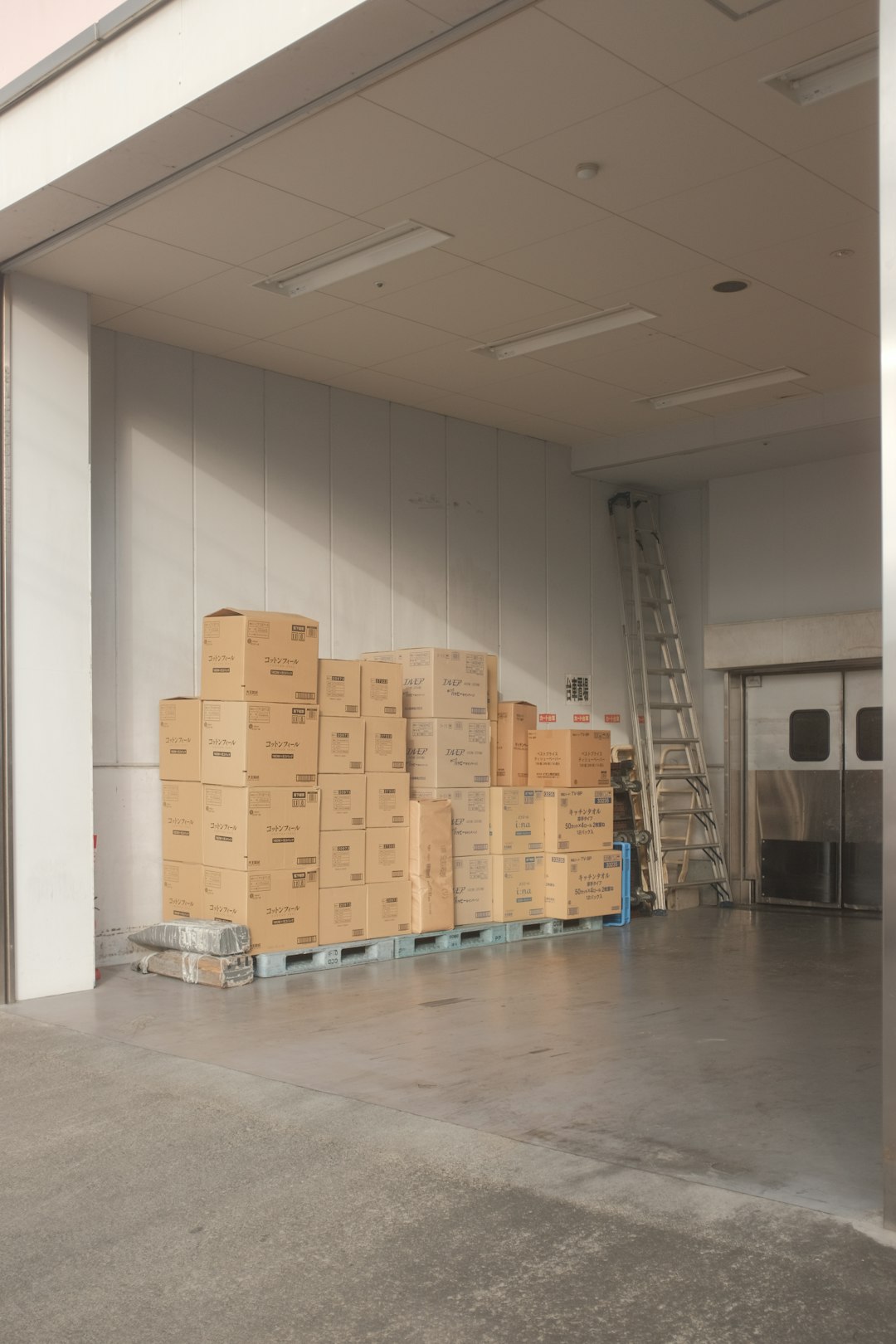
The transportation of food and beverages requires a level of precision and care that goes beyond standard freight logistics. From temperature control to compliance with safety regulations, the process demands specialized solutions to ensure products arrive fresh, safe, and on time. As the demand for perishable and packaged goods continues to rise, so does the need for reliable logistics strategies tailored to the food and beverage sector.
Temperature sensitivity is one of the most critical factors in transporting food and beverages. Perishable goods like dairy, meat, seafood, and produce must be kept within specific temperature ranges throughout the entire shipping process. Any fluctuation can compromise product quality, leading to spoilage and financial loss. This is why refrigerated trucks, real-time temperature monitoring, and trained personnel are essential components of modern food and beverage transportation solutions.
In addition to temperature control, cleanliness and contamination prevention are vital. Vehicles must undergo regular sanitation, and cross-contamination risks must be minimized by segregating different types of goods. This is especially important when transporting allergen-sensitive items or organic products that must remain free from certain substances.
Efficiency is another key aspect. The food and beverage industry often operates on tight deadlines driven by consumer demand and retail schedules. Delays in transit can result in missed delivery windows, wasted inventory, and strained customer relationships. To address these challenges, logistics providers use route optimization technology, real-time tracking, and strategic planning to ensure timely deliveries.
Regulatory compliance is also a major concern. The transportation of consumable goods is subject to numerous federal and state laws, including those enforced by the Food and Drug Administration (FDA) and the Department of Transportation (DOT). Proper documentation, labeling, and handling practices must be followed to maintain compliance and avoid costly penalties.
Beyond the operational requirements, food and beverage companies are increasingly looking for sustainable transportation options. Reducing carbon emissions, minimizing packaging waste, and optimizing fuel usage are becoming priorities. Logistics providers are responding by investing in eco-friendly fleet options and adopting greener practices that align with corporate sustainability goals.
Choosing the right transportation partner plays a significant role in achieving all these objectives. Companies that specialize in food logistics bring industry-specific knowledge and resources to the table, making them better equipped to handle the unique demands of this sector. Their expertise can make a substantial difference in maintaining product integrity and meeting customer expectations.
As consumer preferences evolve and supply chains grow more complex, the importance of dependable logistics solutions only increases. Whether it’s ensuring the freshness of farm produce or the safe delivery of packaged beverages, having a robust transportation strategy is essential for success in this competitive market. To explore more about tailored logistics services, visit logistics support for food distribution.