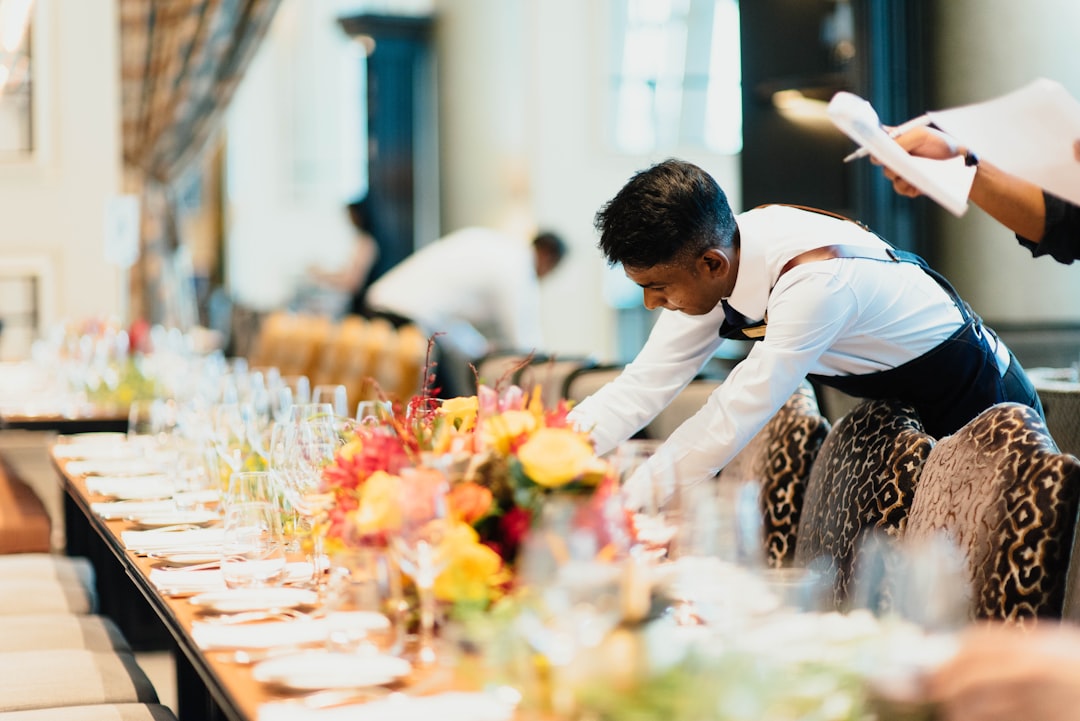
Step into a restaurant where every light fixture, table, and chair feels deliberately chosen. The layout guides guests naturally, inviting them to stay longer without feeling cramped or rushed. This is hospitality design in action, where aesthetics meet function to shape how visitors experience a space. Owners often wrestle with fitting style and practicality together. They want rooms that look great but also handle busy periods without chaos. A common challenge is rearranging existing interiors to improve traffic flow or carve out unique dining zones. For example, a café might redesign its seating to speed up service at lunchtime while keeping a relaxed vibe after dark. Designers use space planning techniques like zoning and circulation analysis to avoid congestion and keep staff moving efficiently.
Brand identity often drives interior choices. Hotels want their lobbies to feel warm but sophisticated, reflecting their personality through colors, textures, and furniture. Creative direction helps translate brand values into tangible design elements that leave memorable impressions. Choosing materials that withstand heavy use yet look inviting isn’t just about style but long-term upkeep. Often, what looks good on a mood board needs testing on-site for durability and maintenance requirements.
Lease agreements deserve close attention early on. Terms can limit how much you can alter walls, lighting, or plumbing, affecting renovation plans and budgets. It’s common for owners to overlook clauses about permitted modifications or landlord approvals, causing delays and unexpected costs later. Reviewing leases with this in mind helps set realistic expectations before drawing final plans.
The concept design phase lays the foundation for everything that follows. It’s where client goals meet practical realities. Say a bar wants to attract young professionals; the concept might include open seating clusters, bold colors, and informal lighting that encourage mingling. Getting client feedback early avoids costly changes during construction. A typical snag is misaligned expectations between design teams and business owners, which can stall progress.
Keeping projects on track requires tight coordination between contractors, designers, and clients. Weekly check-ins and clear communication channels prevent misunderstandings about timelines or material choices. For instance, confirming paint colors or fixture deliveries ahead of installation stops wasted trips and rework. A detailed project schedule with milestones is vital to manage overlapping phases like electrical work and furnishing installation.
If you’re serious about upgrading your venue, start with a free consultation to clarify your vision and constraints. Professionals can suggest solutions tailored to your space and target audience, balancing creativity with budget realities. Whether you engage consultants or full-service project managers, having an experienced guide reduces costly trial and error.
Every decision shapes the atmosphere your customers experience, from selecting floor finishes that absorb sound to choosing lighting that adapts from daytime brightness to evening warmth. Investing in expert advice leads to functional environments that look intentional rather than thrown together. Explore more about how hospitality design and construct can transform your venue.
From scouting properties with suitable layouts to final touches like artwork placement, detailed attention throughout the process makes a difference. Many owners find it useful to keep a shared folder with contracts, sketches, and supplier contacts to avoid miscommunication. Ready to take the next step? Find practical guidance on interior improvement at hospitality interior advice.