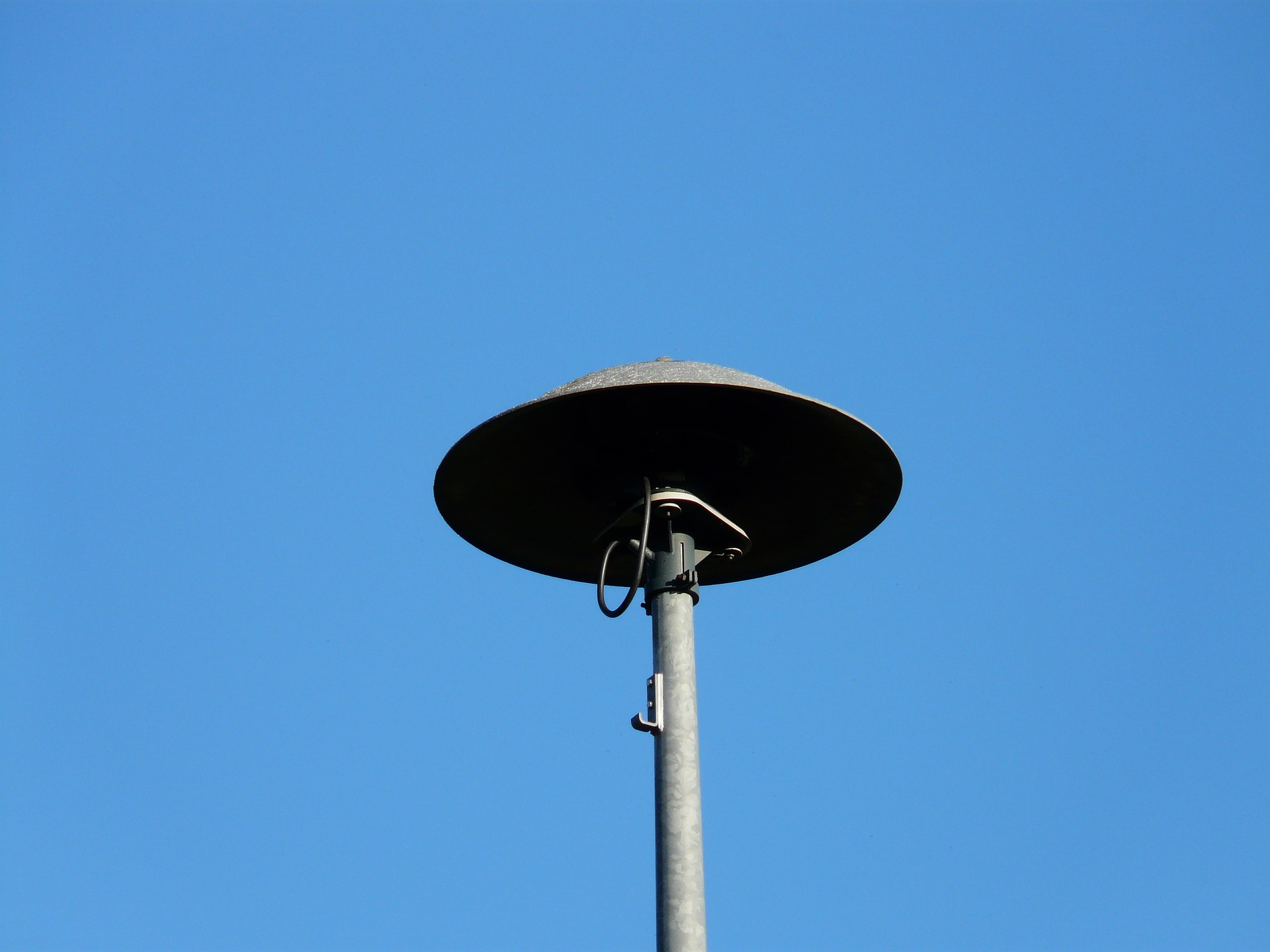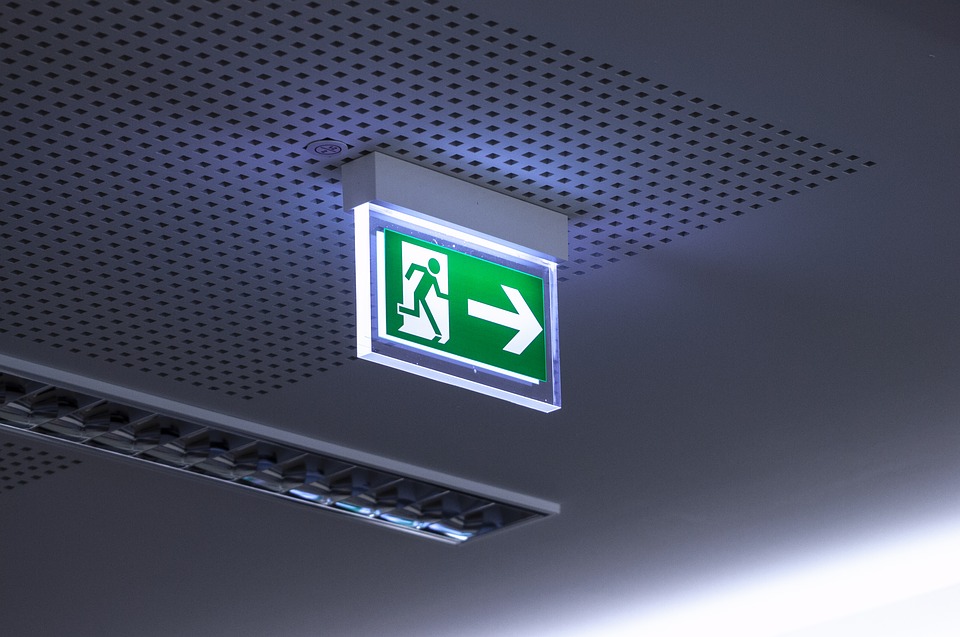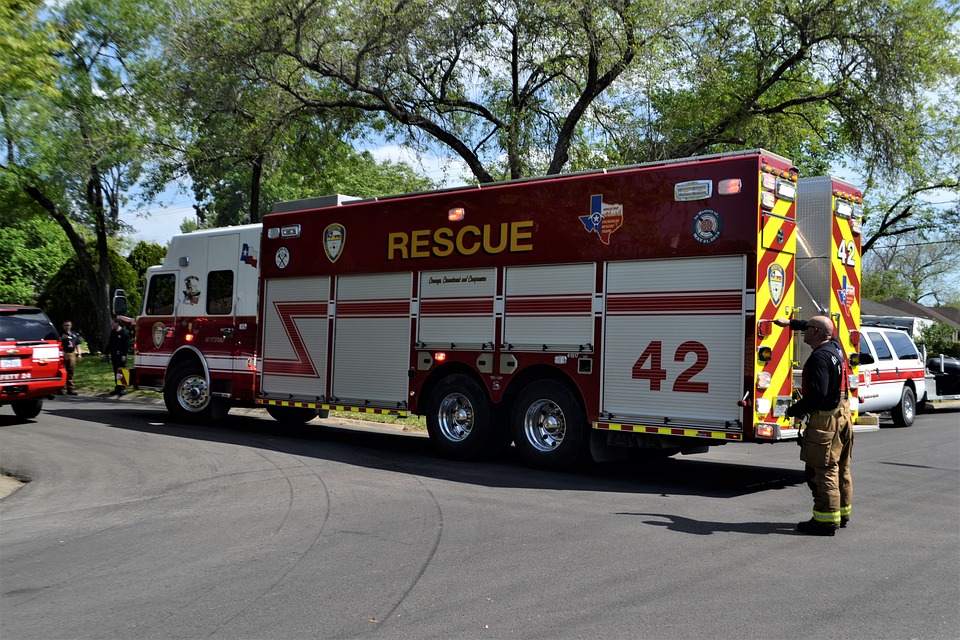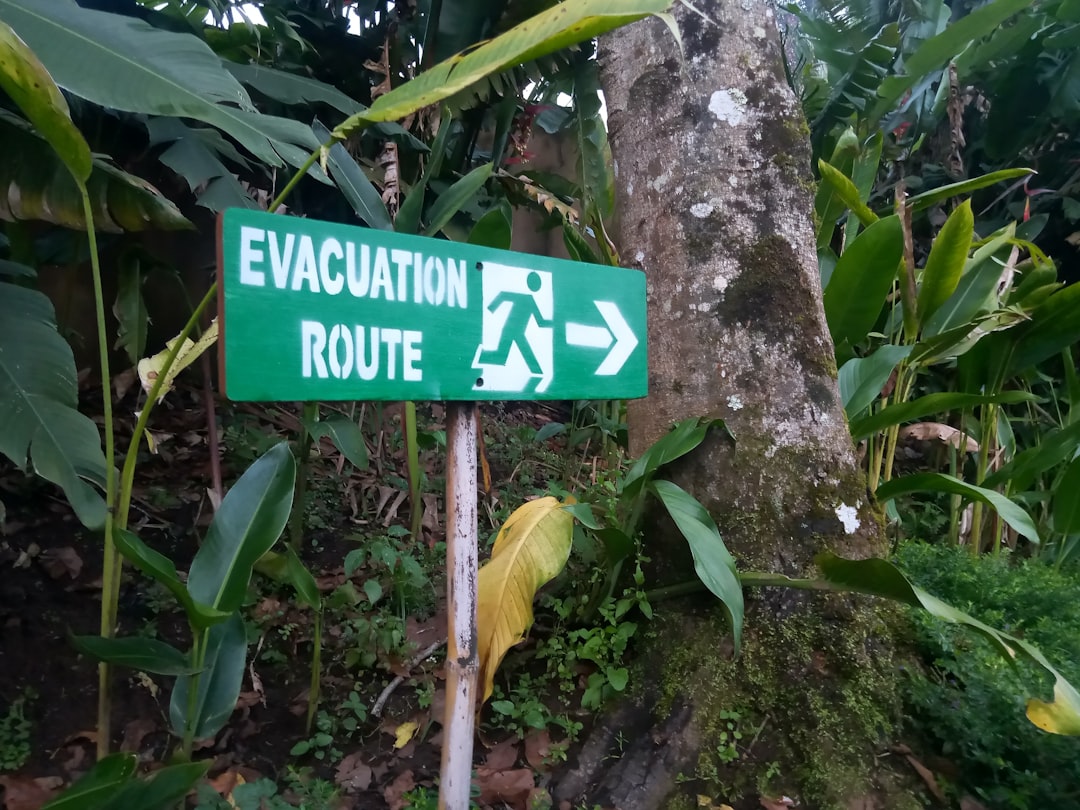
In aged care facilities, emergencies demand quick action. Imagine a resident suddenly needing urgent help. The speed at which staff respond can make a real difference. Integrated nurse call systems connect alerts directly to evacuation signals and sirens, cutting down delays. Staff receive immediate notifications, allowing them to react without confusion. In a real facility, this might mean the difference between chaos and coordinated action during an emergency.
Daily operations in these environments often involve managing unexpected incidents. A modern nurse call system lets caregivers focus on their patients instead of dealing with outdated or inefficient communication tools. For example, if someone falls or shows signs of distress, pressing a call button alerts multiple staff members at once through flashing lights, sound alarms, and mobile alerts. This multi-channel approach reduces the chance of missed calls and ensures someone responds quickly.
Every second counts when emergencies arise. Integrated systems often include features like precise location tracking, so responders know exactly where assistance is needed. Priority alerts help differentiate between routine requests and urgent situations, helping teams allocate resources effectively. It’s common practice for staff to confirm receipt of an alert via their devices, preventing any miscommunication that can happen in noisy or busy areas.
Customization matters because no two facilities operate the same way. Buildings vary in layout and residents require different levels of care. Nurse call systems that allow settings to be adjusted help fit the unique needs of each facility. For instance, some areas might need louder alarms or additional visual cues due to ambient noise or lighting conditions. Regular testing and staff training on these settings prevent system misuse or confusion during actual emergencies.
Safety protocols improve when all alert types come together on one platform. Whether it’s a fire alarm, medical emergency, or security breach, handling them through a single interface simplifies staff training and response procedures. Staff are less likely to overlook alarms if they follow a consistent process. It’s also common to schedule regular drills using the integrated system to keep everyone familiar with protocols and reduce panic during real events.
Remote monitoring tools give administrators access to system performance data and incident logs. This information helps identify recurring issues, such as frequent false alarms from a particular zone or delays in response times. Addressing these problems proactively can prevent future emergencies or improve reaction speed. Facilities often assign a safety officer to review these reports monthly and coordinate any necessary maintenance or retraining.
Investing in an integrated emergency alert system changes how care is delivered in aged care and similar settings. Facilities that combine nurse call and evacuation functions can better prepare for diverse emergency scenarios while prioritizing resident safety. For practical insight into how these technologies adapt to specific needs, exploring nurse call system manufacturers is a good start.
Creating a safer environment means residents feel secure and cared for at all times. With the right system in place, emergencies prompt swift, organized responses instead of confusion and delay. Having reliable communication tools improves not just emergency handling but daily care routines as well. Staff often keep handwritten logs nearby to note any communication hiccups or equipment faults, ensuring issues get addressed promptly.
Administrators looking to upgrade should also consider ongoing system support and compatibility with other facility technologies. Checking with emergency response planning services can provide guidance on integrating these systems within broader safety strategies.