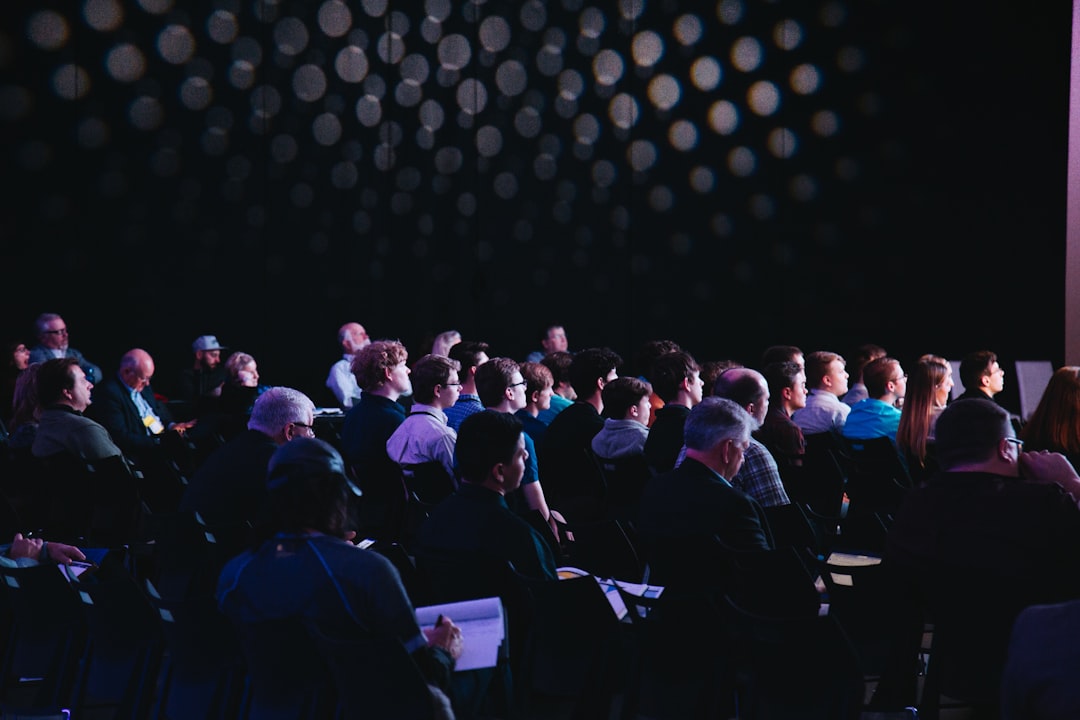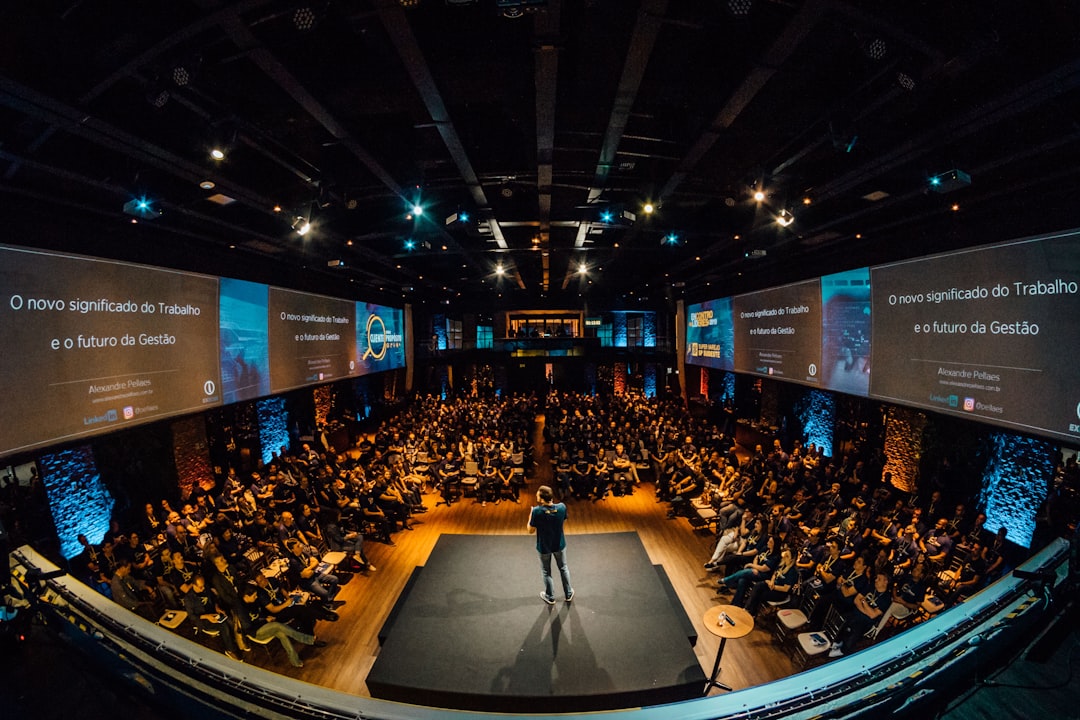
Planning a conference aimed at veterans and military families goes beyond booking a venue and arranging catering. The real challenge lies in connecting with the community through voices they trust. Military influencers have become essential for this. They bring authenticity that resonates, making the event feel relevant and welcoming. These influencers often have firsthand experience, whether as veterans, active service members, or military family members. Their stories create a bridge between organizers and attendees, boosting attendance and engagement.
Veterans value events that reflect their experiences honestly. Incorporating storytelling is not just a nice touch; it’s a necessity. A panel featuring vets who successfully transitioned into civilian careers can provide both inspiration and practical advice. For example, hearing about how a veteran started a small business after service offers relatable lessons on overcoming common hurdles like translating military skills to civilian jobs. These personal stories build trust and encourage networking based on shared backgrounds.
Partnering with organizations that support veterans adds real depth to your conference. Collaborations with non-profits, veteran-owned businesses, or service groups expand outreach and credibility. Such partnerships can lead to joint workshops or informal meetups that go beyond the usual keynote speeches. For instance, hosting a resume-building session with a veteran employment agency or a wellness workshop led by a military family support group creates valuable touchpoints for attendees looking for tangible assistance.
Social media is where military influencers shine in promoting events. When they share why they’re involved or highlight specific sessions, it generates genuine interest that generic ads rarely achieve. A veteran influencer posting a short video about what they’ll discuss or showcasing behind-the-scenes moments can spark conversations among their followers. This kind of authentic endorsement encourages participation from those who might otherwise skip the event.
Incorporating virtual options into your conference setup expands access significantly. A hybrid model allows veterans who live far away or have mobility challenges to join remotely. It also accommodates different schedules, letting attendees catch sessions live or later. Using reliable streaming platforms and testing tech well beforehand prevents common hiccups like audio dropouts or login issues, which can quickly turn off virtual participants.
Veteran-focused event planners bring invaluable insight to the table. They understand the importance of venue choice, selecting spaces that honor military history or include memorial elements adds meaning to the gathering. Experienced planners also know how to structure breaks and activities to encourage casual conversations, avoiding overly rigid agendas that stifle interaction. Checking details like parking availability (often overlooked) helps prevent last-minute frustrations for attendees.
Keeping momentum after the conference ends matters just as much as the event itself. Sharing session recordings, photos, and resource links through email updates or social media keeps attendees connected. This ongoing engagement builds a community that looks forward to future events rather than treating each one as a standalone experience. Regular follow-ups also provide chances to gather feedback, which is crucial for improving future gatherings.
If you want to create meaningful connections at your next event for veterans and military families, consider hosting a military influencers conference. It’s not just about gathering people, it’s about building relationships that honor their service and support their journey forward.
For more ideas on planning effective veteran events, check out military community engagement. These resources can help you design gatherings that truly resonate.