In aged care facilities, emergencies like fires demand quick, clear action. Speed matters. Residents often have limited mobility or require assistance, so evacuation systems must do more than just sound alarms. Integrated evacuation setups ensure alarms reach every corner and help staff coordinate the safe movement of residents. When installed well, these systems reduce panic and confusion, allowing caregivers to focus on those who need help first.
Linking nurse call systems with evacuation alarms is critical. When an alarm activates, medical staff get immediate alerts about residents needing support. For example, if a resident uses a wheelchair or requires oxygen, staff can prioritise their evacuation without delay. This connection also helps prevent missed checks and ensures that no one is left behind during the rush.
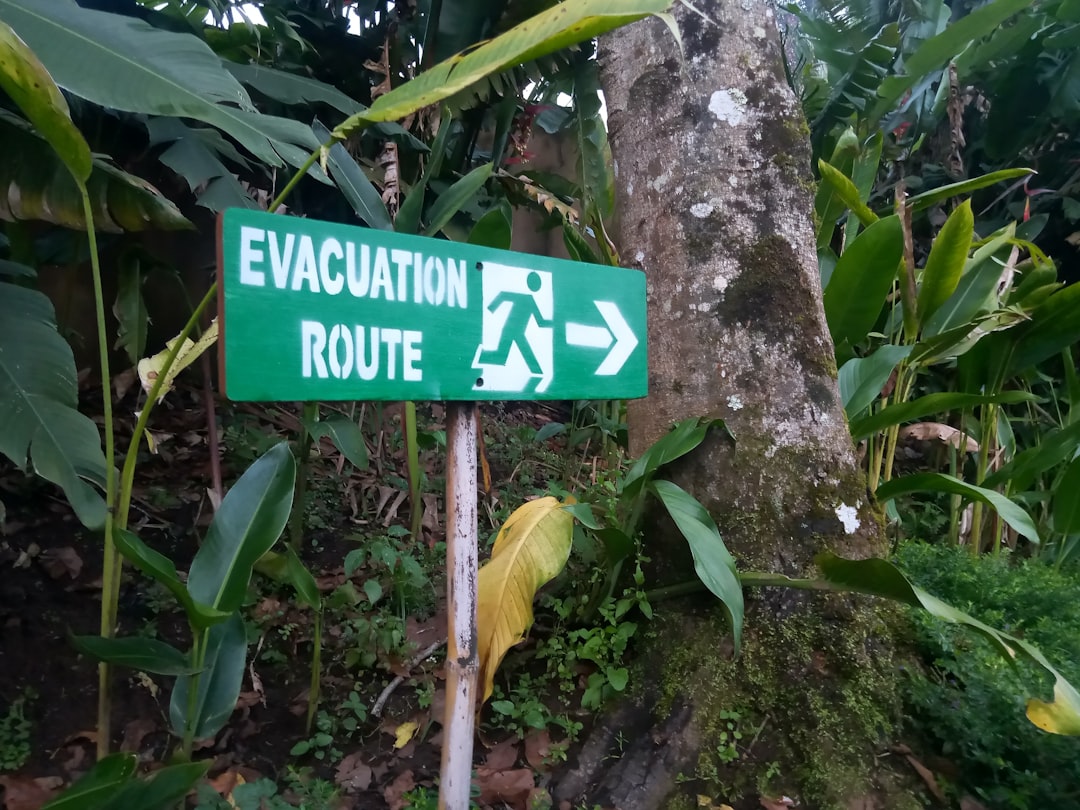
Emergency protocols backed by technology save lives. Systems should feature loud audible alarms, flashing lights for those with hearing difficulties, and digital displays showing evacuation routes. Staff rely on these cues to guide residents safely out, especially under stress. Clear signage and regularly updated evacuation maps are practical tools often overlooked but vital during drills and real events.
Tailoring systems to facility specifics makes a big difference. A retirement village with scattered single-level homes requires a different approach from a multi-storey hospital ward. Knowing the building layout and resident needs shapes how alarms and communication devices are set up. For instance, some areas might need extra intercom units or portable evacuation chairs stored strategically for quick access.
Choosing features wisely can improve response effectiveness. Real-time tracking of residents during evacuations is one example, staff can see who has exited and who remains inside. Automated messages sent directly to emergency responders shave off crucial minutes waiting for calls. Simple things like battery backups on all devices prevent failures during power outages, a common challenge in emergencies.
Intercoms play a key role during evacuations. They allow supervisors to issue instructions or updates instantly, cutting through noise and chaos. Training staff on these systems is equally important; routine drills build familiarity, so reactions become second nature instead of hesitant. Some facilities keep checklists handy near alarm panels to avoid missed steps under pressure.
For detailed information about integrated evacuation nurse call systems designed for Australian aged care, visit evacuate now alarm australia. Exploring the technology behind these setups reveals practical options suited for various environments.
Finding the right provider matters too. Look for companies offering tailored advice on safety equipment that fits your facility’s unique challenges. You can explore more at emergency response technology australia, where resources explain how to match your needs with effective products and support.