A kitchen renovation can dramatically transform not only the look of your home but also its functionality and value. Whether you’re updating a dated space or tailoring your kitchen to better suit your lifestyle, a thoughtful renovation can make all the difference. It’s one of the most involved home improvement projects, but also among the most rewarding when executed properly.
One of the first things to consider in a kitchen renovation is the overall layout. Often, homeowners inherit kitchens that don’t quite meet their needs, either due to limited counter space, awkward traffic flow, or a lack of storage. Revisiting the floor plan can open up possibilities you hadn’t considered. For example, removing a non-load-bearing wall between the kitchen and dining area could create an open-concept space that feels more modern and welcoming. Alternatively, relocating appliances can streamline your workflow and make cooking more efficient. These structural considerations should be addressed early, ideally with the guidance of a professional.
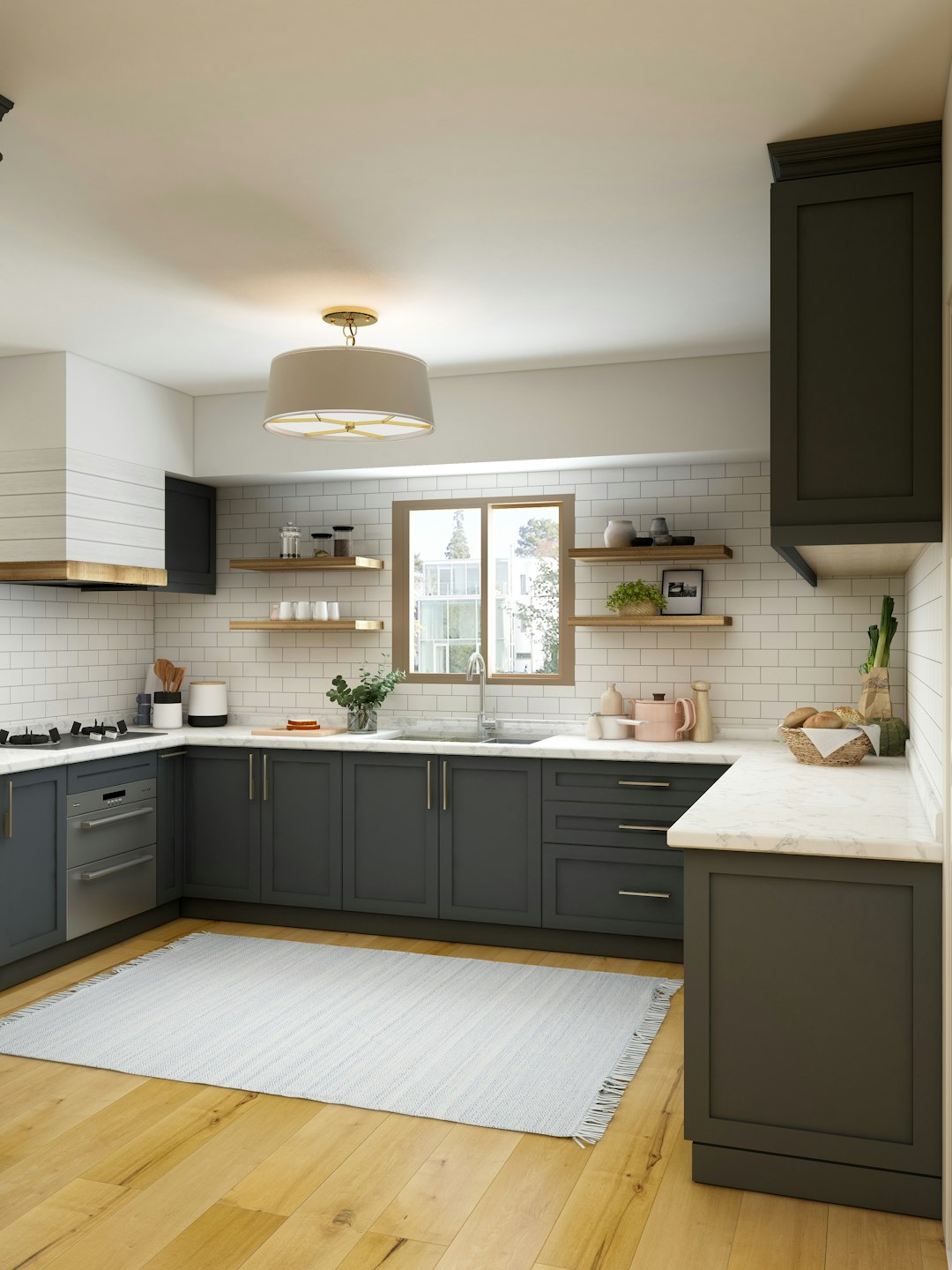
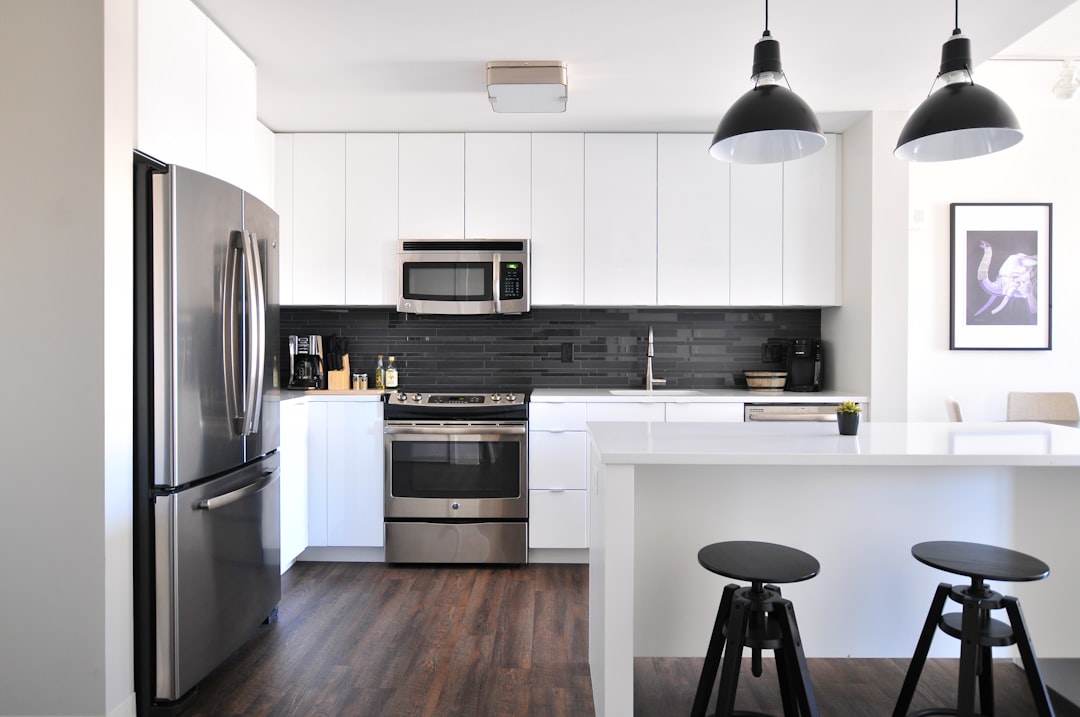
Another key element of any kitchen renovation is cabinetry. Cabinets often dominate the visual landscape of a kitchen and play a vital role in organization. While replacing cabinets entirely is an option, many homeowners find that refacing them provides a fresh look without the expense and complexity of a full tear-out. Refacing can include updating the cabinet doors, drawers, and hardware while keeping the existing framework intact. This approach is not only cost-effective but also more sustainable.
Countertops are another major consideration. Materials like quartz, granite, and butcher block each have their own aesthetic and functional qualities. Your choice will depend on both your cooking habits and your design preferences. If you frequently prepare meals, a durable and low-maintenance surface like quartz may be ideal. On the other hand, if your kitchen is more of a gathering space, you might prioritize visual appeal over utility. During the selection process, it’s also worth considering how your countertops will coordinate with your backsplash and cabinetry.
Lighting is often overlooked but plays a crucial role in both functionality and ambiance. A well-lit kitchen typically combines task lighting, such as under-cabinet lights, with ambient fixtures like pendant lights or recessed ceiling lights. Layering these elements ensures that the space is both practical for cooking and inviting for entertaining. Don’t forget about natural light, either; expanding a window or installing a skylight can make a dramatic difference in how the space feels.
Flooring options have also expanded in recent years, with materials like luxury vinyl, engineered hardwood, and porcelain tile offering durability and style. The right choice depends on your lifestyle and budget. For example, families with young children or pets might favor a more forgiving surface that can withstand spills and heavy foot traffic. Meanwhile, those aiming for a high-end look might invest in richer textures and finishes.
It’s also important to think about storage solutions. Pull-out pantry shelves, corner cabinet carousels, and drawer dividers can help you make the most of your available space. Customizing storage to fit your habits—whether that means a place to store baking supplies, a dedicated coffee station, or hidden compartments for small appliances—can significantly improve your kitchen’s usability.
Design consistency ties everything together. A cohesive color palette, complementary materials, and unified hardware can create a harmonious look. Whether your style leans modern, traditional, farmhouse, or eclectic, the key is to make intentional design choices that reflect your personal taste while ensuring functionality.
For those just beginning to explore kitchen upgrades, browsing inspiration galleries and visiting local showrooms can provide valuable ideas. Working with a knowledgeable contractor or designer can also help turn vision into reality. They can assist in navigating building codes, sourcing materials, and managing timelines.
If you’re not ready for a full renovation but want to make impactful changes, consider projects like upgrading your lighting, refacing your cabinets, or installing a new backsplash. These updates can offer a fresh look without the time and cost of a full remodel.
To explore more about enhancing your kitchen space and other home improvement services, check out home remodeling solutions that align with your goals and budget.
Ultimately, a successful kitchen renovation is one that balances practicality with personalization. By investing time in planning and selecting the right elements, you can create a space that is both beautiful and built to last.