Walking into a coffee shop that feels welcoming and practical isn’t accidental. As an owner, your goal might be to create a cozy space with inviting seating and that unmistakable coffee aroma. But without careful planning, your layout could cause headaches. Crowded counters, awkward tables, or cramped aisles can frustrate both customers and staff. Before you set up tables or pick decor, you need a solid grasp of layout design that keeps customers comfortable and operations smooth.
One major pitfall is ignoring how customers move through the space. Imagine a line at the counter backed up because people can’t easily get to the seating area. That confusion kills the vibe and slows service. A straightforward path where customers enter, order, then head easily to seating or the exit cuts down on jams. Think about where you place the register, how wide aisles are, and how customers flow from door to drink. Observing foot traffic during busy hours can reveal choke points you didn’t expect.
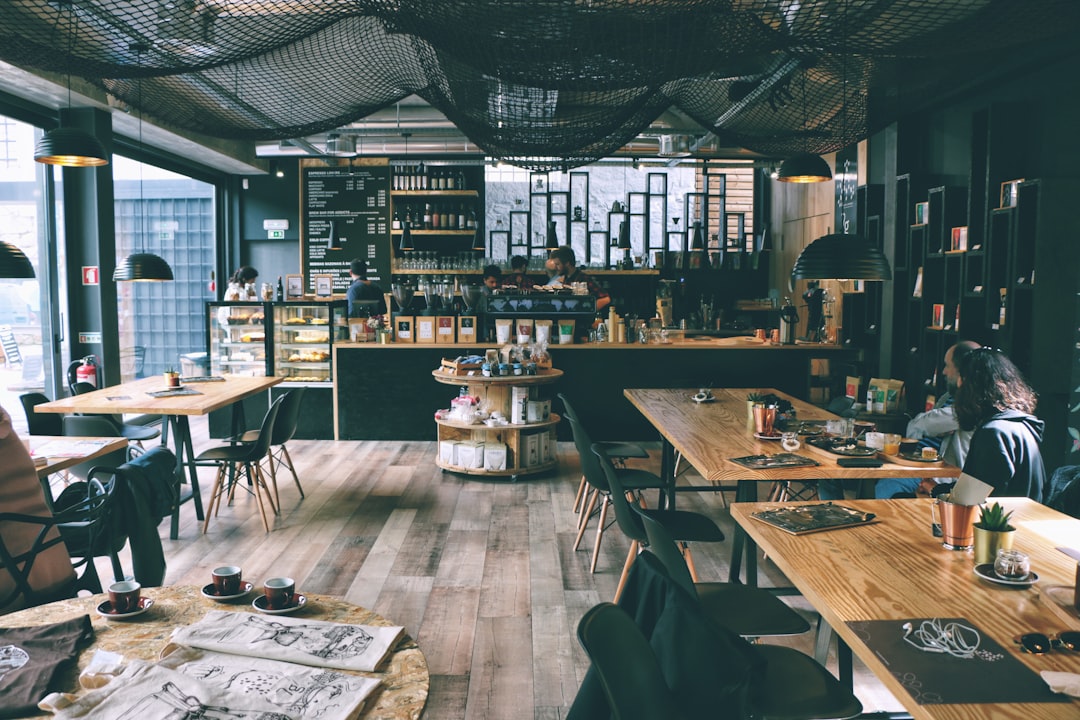
Zoning your shop into clear areas makes a big difference. You might have a dedicated ordering zone, a waiting spot, seating for groups, and quiet corners for work or study. If your target crowd includes freelancers or students, install plenty of accessible power outlets and reliable Wi-Fi in quieter spots. For a lively scene, large communal tables encourage chatting and meetups. Each zone should support your brand’s vibe but also offer practical comfort for different customer needs.
Lighting sets the tone but also affects usability. Overly bright lights can feel harsh and uninviting, while dim lighting might make reading menus or working on laptops tough. Aim for soft ambient lights that create warmth paired with focused task lighting at the counter and workstations. Fixtures that add character can double as decor. Check how natural light enters the space during different times of day and adjust artificial lighting accordingly to keep it balanced.
Equipment placement matters more than most realize. The coffee machine should sit where baristas can reach it without blocking customer paths or each other. Grinders, blenders, and sinks need to be arranged in a logical sequence to speed up drink prep during rushes. Pay attention to small details like accessible storage for cups and ingredients close to the workstations to avoid wasted steps. Some owners keep a checklist for daily equipment checks to catch issues before peak hours.
Flexibility in layout helps your business adapt over time. Customer habits change , maybe takeout orders rise, or groups become larger. Using furniture that can be moved easily lets you tweak seating without expensive renovations. It’s common for owners to test different setups during slow hours to see what flows best before making permanent changes. Keep an eye on customer feedback related to comfort and space; it often points out practical tweaks needed.
Your concept will evolve, so getting familiar with layout design of coffee shop principles sets a strong foundation. Real-world advice from experienced coffee shop owners is invaluable and can prevent costly mistakes like overcrowded layouts or inefficient workflows. Checking resources like floor plans from similar shops or consulting with staff during setup can save time later.
There are plenty of online guides offering tips on everything from layout to marketing strategy. One useful resource is coffee shop startup advice, which covers practical steps owners often overlook before opening. Taking time to dive into these materials before launching helps build confidence about your choices and ensures smoother daily operations once doors open.