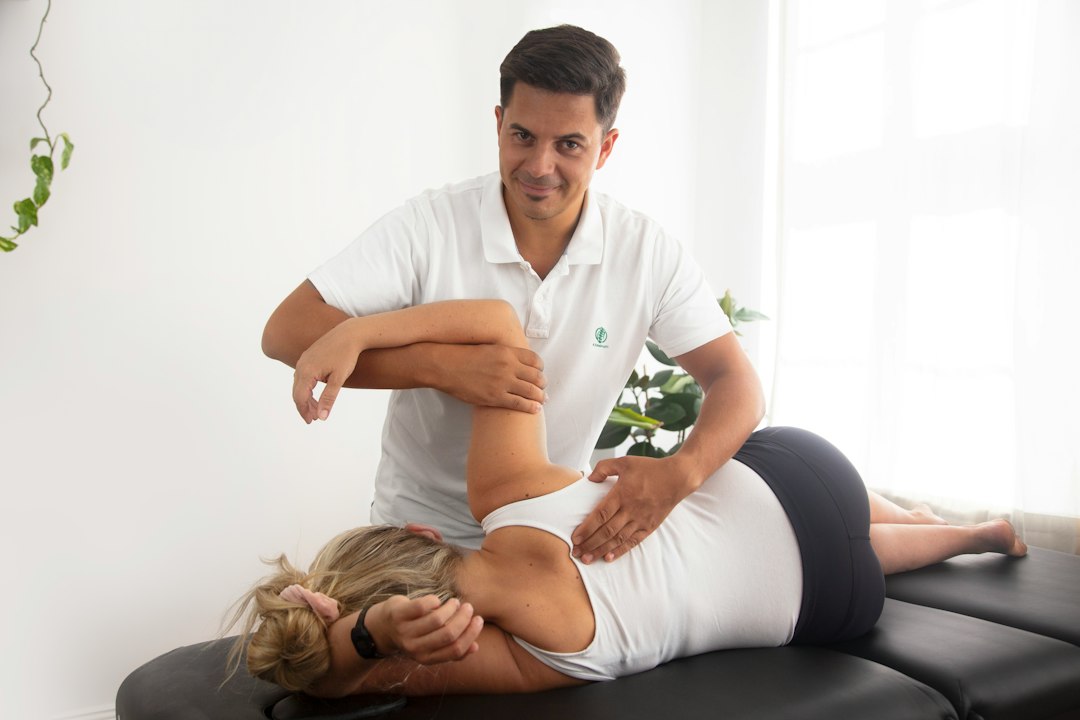

Pelvic girdle pain is a frequent complaint. It can make routine actions feel exhausting. A physiotherapist will assess your posture and muscle imbalances, then guide you through strategies to maintain alignment and reduce strain. Many expectant mothers don’t realize how much their posture changes as their center of gravity shifts. Simple adjustments, like how you sit or stand, can relieve pressure on key joints. Learning to move with awareness helps prevent injuries that might otherwise linger postpartum.
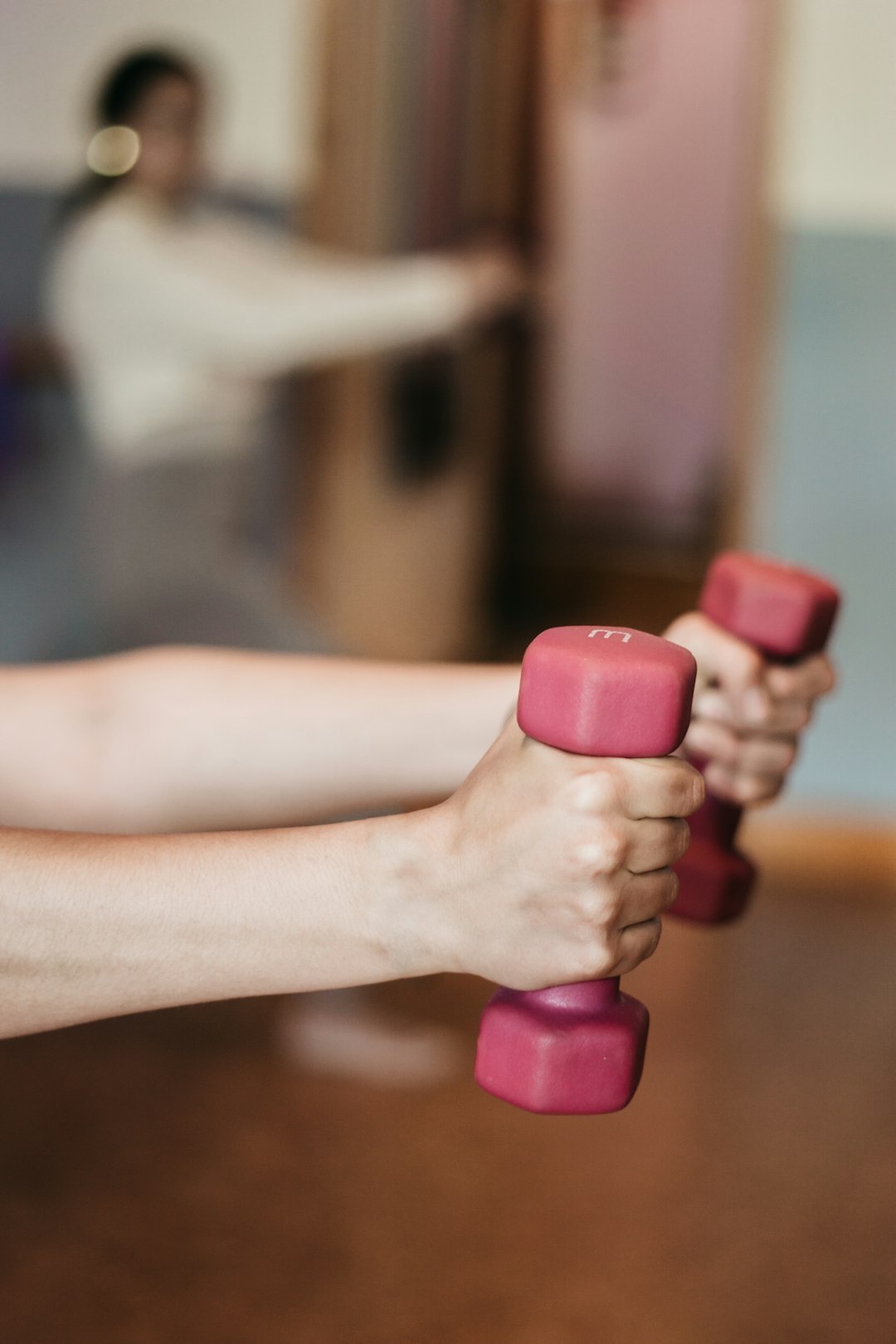
After delivery, recovery doesn’t stop with the baby’s birth. Conditions like diastasis recti, where abdominal muscles separate, can cause weakness and back pain. A targeted rehabilitation plan is crucial for regaining strength and stability. Physiotherapists often recommend controlled breathing exercises paired with gentle core activation to rebuild abdominal support without overstraining. These steps are essential for preventing long-term issues such as hernias or chronic discomfort.
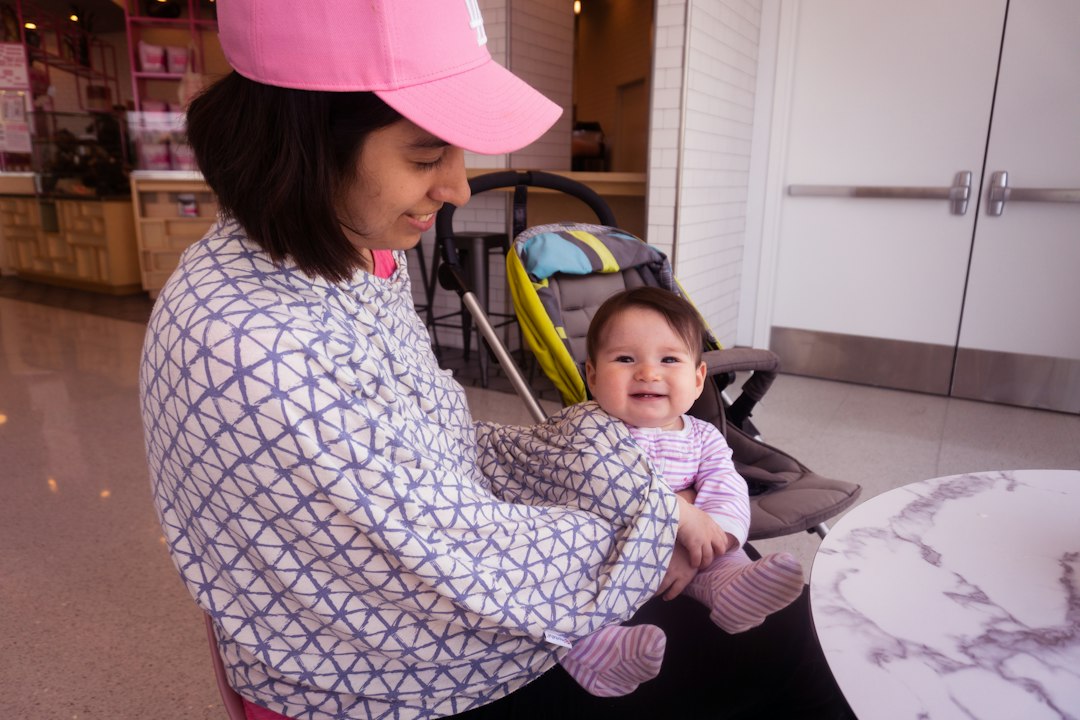
It’s common for new mothers to struggle with neck and shoulder pain from holding their infants awkwardly for extended periods. A physiotherapist can suggest ergonomic positions and stretches to relieve muscle tension. Sometimes, simple changes in how you carry or nurse your baby can make a significant difference. They might also advise on pacing activities and integrating rest breaks to manage fatigue effectively.
Consider a woman facing severe sciatica in her second trimester. The sharp pain radiating down her leg can be debilitating. Specific stretches targeting the piriformis muscle and strengthening exercises for the lower back often help reduce nerve compression. A physiotherapist will tailor these interventions carefully to avoid aggravating symptoms while promoting function. It’s a process that requires patience and consistent effort but can result in meaningful relief.
Preparation for labor is another area where physiotherapy offers real benefit. Techniques like pelvic floor training improve muscle control during delivery and support recovery afterward. Breath control exercises help manage pain and anxiety during contractions. Many women also appreciate guidance on positions that facilitate labor progress and minimize discomfort. These practical skills empower mothers to approach childbirth with greater confidence.
If you’re dealing with physical challenges during or after pregnancy, consulting someone familiar with these specific needs can make a tangible difference. Physiotherapy isn’t just about fixing aches; it’s about equipping you with tools and knowledge to handle changes in your body safely. For more details on how tailored care can help, visit pregnancy physio south adelaide.
Motherhood brings new routines that affect your body in unexpected ways. Breastfeeding positions, carrying your baby, and disrupted sleep patterns all contribute to muscular strain. Physiotherapists experienced in post-natal care recognize these challenges and offer personalized advice to ease transition periods. Whether it involves strengthening weak muscles or recommending practical lifestyle modifications, their guidance supports your health beyond pregnancy itself.
Exploring options for physical support during this time can feel overwhelming, but resources are available. For example, accessing post-pregnancy body recovery services provides targeted assistance as you adjust to life with your newborn.