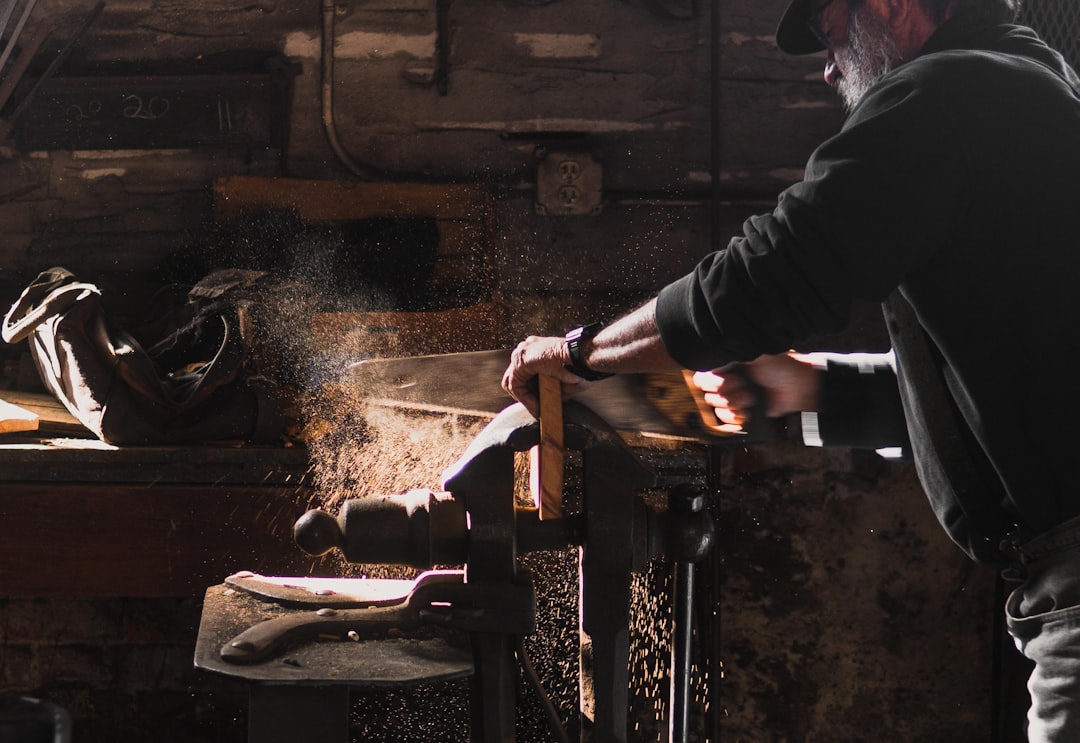
Walking into a grocery store meat aisle can be frustrating. You want quality, but the packaging rarely tells you where the meat really comes from. That’s why full-service butcher shops are valuable. Inspired by traditional English butchers, these shops focus on organic, high-quality meats and make sure you understand how the products reach your table. It’s about transparency and respect for the food.
Choosing organic meats means opting for animals raised without synthetic pesticides, hormones, or antibiotics. This approach often results in healthier options for your family and supports better animal welfare standards. For example, grass-fed beef tends to have a richer taste and firmer texture than standard beef, while pasture-raised chicken usually offers more depth of flavor. These meats often come from local farms committed to sustainable farming, which helps reduce environmental impact.
The way meat is processed matters just as much as its source. Butchers who stick to traditional methods take time to age steaks properly, enhancing tenderness and flavor. They prepare sausages using recipes passed down through generations, avoiding fillers or artificial additives. This craftsmanship results in noticeable differences compared to mass-produced meat products. It’s worth asking your butcher about their aging process or how they season their sausages , these details affect the final taste.
Customer service at a full-service butcher is a distinct advantage. Unlike big supermarkets where staff can be scarce or uninformed, butchers usually have deep knowledge and passion for their products. They can explain the difference between cuts like brisket and chuck or recommend the best way to cook a tougher piece for a slow roast. If you’re prepping for a special dinner but unsure about a cut, they’ll offer advice tailored to your needs, saving you time and guesswork.
Price differences between butcher shops and grocery stores are real. But higher costs often reflect superior quality and personalized service. Many people find this investment worthwhile because the meat tastes better and they feel more confident about its origins. Supporting a local butcher also strengthens community connections and encourages sustainable farming practices. It’s a trade-off that makes sense for those who value quality over convenience.
Specialty items are another draw at butcher shops. You might find heritage breed pork, game meats like venison or rabbit, or seasonal offerings that don’t appear in regular stores. These options add variety to your meals and let you experiment with flavors not commonly available. The butcher can also suggest cooking techniques for these less familiar meats, ensuring you get the best results.
For detailed information on organic meat benefits, visit prime meats usa. It’s a solid resource that explains what sets these products apart in today’s market. Engaging with knowledgeable butchers can lead to discovering new cuts or recipes that become kitchen favorites, making meal planning easier and more enjoyable.
Meat shopping doesn’t need to be confusing or frustrating. A bit of effort to talk with local butchers and learn about their products goes a long way. You end up with better meat that fits your values and tastes better on the plate. For practical advice on sourcing quality meats and understanding different cuts, check out quality meat selection tips. It’s worth the time if you want meals that are both satisfying and responsibly sourced.