If you are a homeowner, one of the most important things you should do is to ensure that your property remains structurally sound. Concrete waterproofing is a crucial aspect of safeguarding your residence from water damage and other structural problems.
Waterproofing your concrete will prevent water from seeping into the porous surface, which can cause problems such as mold growth, cracking and erosion. By protecting your concrete, you will increase the durability and longevity of your home.
One of the best ways to waterproof concrete is by applying a sealant. A sealant penetrates the concrete surface and creates a barrier that prevents water from seeping in. Sealants are widely available and can be applied easily either by yourself or a professional.
It is essential to ensure that the concrete surface is clean and dry before applying sealant. This is because any dirt, grease or moisture on the surface can cause the sealant to fail. Once the surface is clean and dry, you can proceed to apply the sealant.
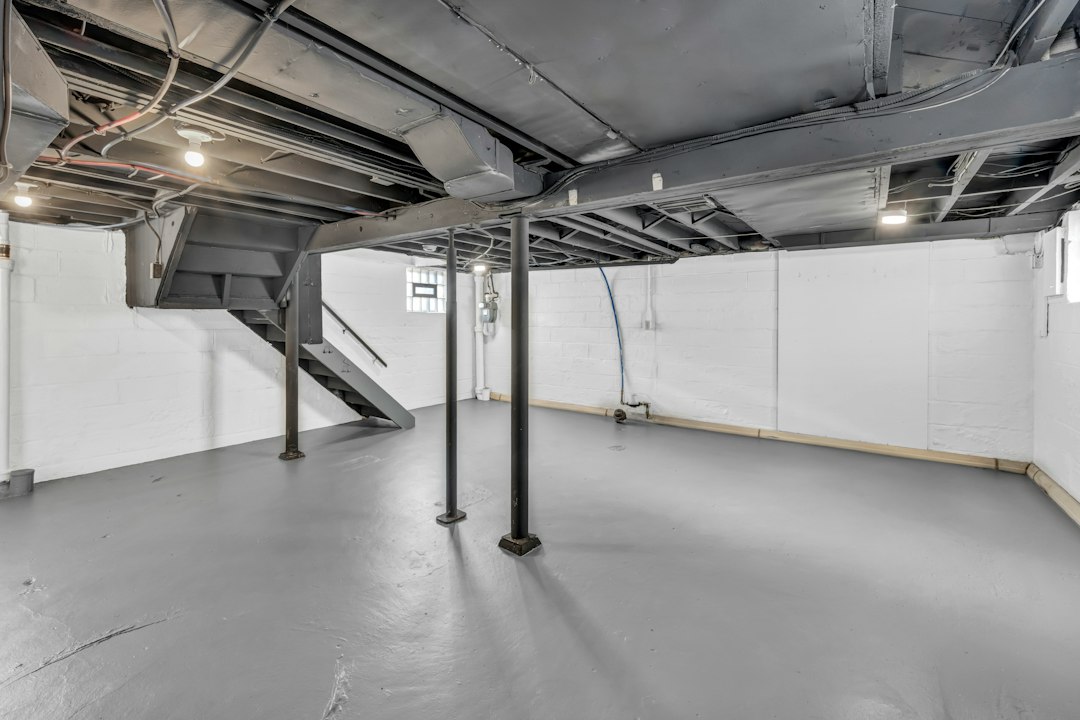
Another effective method of waterproofing concrete is by using waterproofing membranes. These membranes are designed to be applied beneath the concrete surface, creating a barrier that prevents water from penetrating the concrete. This method is especially useful for basement walls, where water is more likely to pool.
Waterproofing membranes come in different forms, including sheet membranes and liquid-applied membranes. Liquid-applied membranes are applied as a liquid that dries into a rubber-like substance. Sheet membranes, on the other hand, are rolled out onto the surface of the concrete and secured with an adhesive.
There are also other ways to waterproof concrete, such as using coatings or paints designed specifically for this purpose. These products work by forming a protective layer on top of the concrete surface that repels water.
It is important to note that not all concrete waterproofing products are the same. When selecting a product, it is essential to consider factors such as application method, durability, and your specific needs. Some products may be better suited for outdoor concrete surfaces, while others may be more effective for interior basement walls.
Concrete waterproofing is not only beneficial for homeowners but also for commercial property owners. Waterproofing concrete surfaces such as parking garages, balconies and patios, prevents water damage and enhances safety. Water damage can lead to structural failure, which can potentially be hazardous.
Protecting your home or commercial property with concrete waterproofing is essential. Water damage can quickly cause serious problems that are not only costly to repair but also hazardous to your health and safety. Whether you plan to do it yourself or hire a professional, ensure that you select the right product and method that meets your needs. By waterproofing your concrete, you’ll increase the longevity and value of your property, and you’ll have peace of mind that your investment is protected.