
A country setting also does not mean the celebration must feel informal or unfinished. A barn surrounded by fields, gardens, hills, and animals can be styled for a polished dinner without losing its natural character. At a Connecticut venue with exclusive use, the property is reserved for your event rather than shared with another wedding. That arrangement can make the schedule easier to control and lets your ceremony, reception, and photographs feel connected. Couples exploring a country loft wedding ct can therefore ask whether the setting supports their preferred level of formality, not simply whether it looks rustic in photographs.
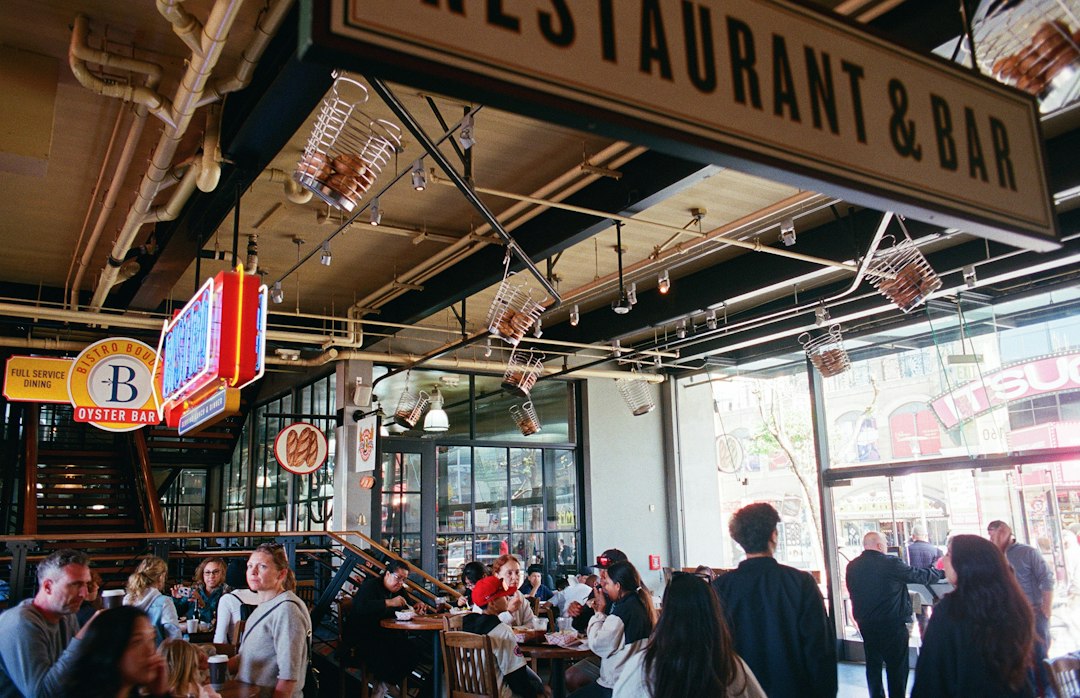
Guest count is another area where assumptions can cause trouble. A spacious-looking barn does not automatically accommodate every seating plan, band setup, buffet, or dance floor. Capacity means the number of guests a room can hold under a particular arrangement, and that arrangement matters. A renovated 1918 barn at the referenced Connecticut farm venue can host receptions of up to 150 guests, with layouts suited to sit-down dinners, buffets, or stations. For example, 120 guests with a long dinner layout may use space differently from 120 guests with a large dance floor and food stations. Request a floor plan before finalizing the list.
The outdoor areas should be treated as working event spaces, not just photo backdrops. Open fields and pastures can support a ceremony, portraits, or guest movement, but each use has different needs. A ceremony layout requires clear sightlines, while portraits benefit from flexible timing and access to attractive scenery. A site plan is a simple drawing that shows where these activities occur and how guests move between them. On a property covering more than 40 acres, that planning can prevent unnecessary walking and help vendors understand where equipment belongs. Comfortable footwear, directional signs, and a realistic transition schedule can make the countryside easier to enjoy.
Weather planning is not the same as assuming the outdoor plan will fail. A contingency plan identifies what changes if rain, strong sun, or cool temperatures affect the ceremony or reception. If the barn is the backup, ask how quickly chairs, music, or floral pieces can be moved. If cocktails are planned on an adjoining deck, clarify whether the deck remains part of the plan in light rain and where guests go afterward. The deck can serve as a space for mingling, cocktails, and dancing, while the barn offers a candlelit indoor setting. Discussing these options early is more useful than waiting for the forecast.
Food service can also shape the room more than couples expect. A plated dinner typically needs tables, service paths, and room for staff to move between courses. A buffet requires accessible serving lines, while stations distribute food across several points and may encourage guests to circulate. These are examples of service styles, meaning the method used to present and deliver the meal. At a barn reception, the best choice depends on guest count, menu, schedule, and the amount of room reserved for dancing. A conversation with the caterer and venue can reveal whether the preferred style fits the chosen layout rather than forcing a last-minute adjustment.
The season adds another practical layer. A wedding season running from April through November offers different scenery and comfort considerations across spring, summer, and fall. An April ceremony may call for a warmer indoor plan, while a summer event may benefit from shaded gathering areas and a shorter outdoor exposure. In autumn, the surrounding foliage can become part of the visual design without requiring elaborate decoration. A property that combines gardens, fields, a renovated barn, and an outdoor deck gives couples several settings to weigh. The most useful venue decision is the one that matches guest needs, event style, and a workable plan for the date, making a connecticut farm wedding venue feel intentional rather than improvised.