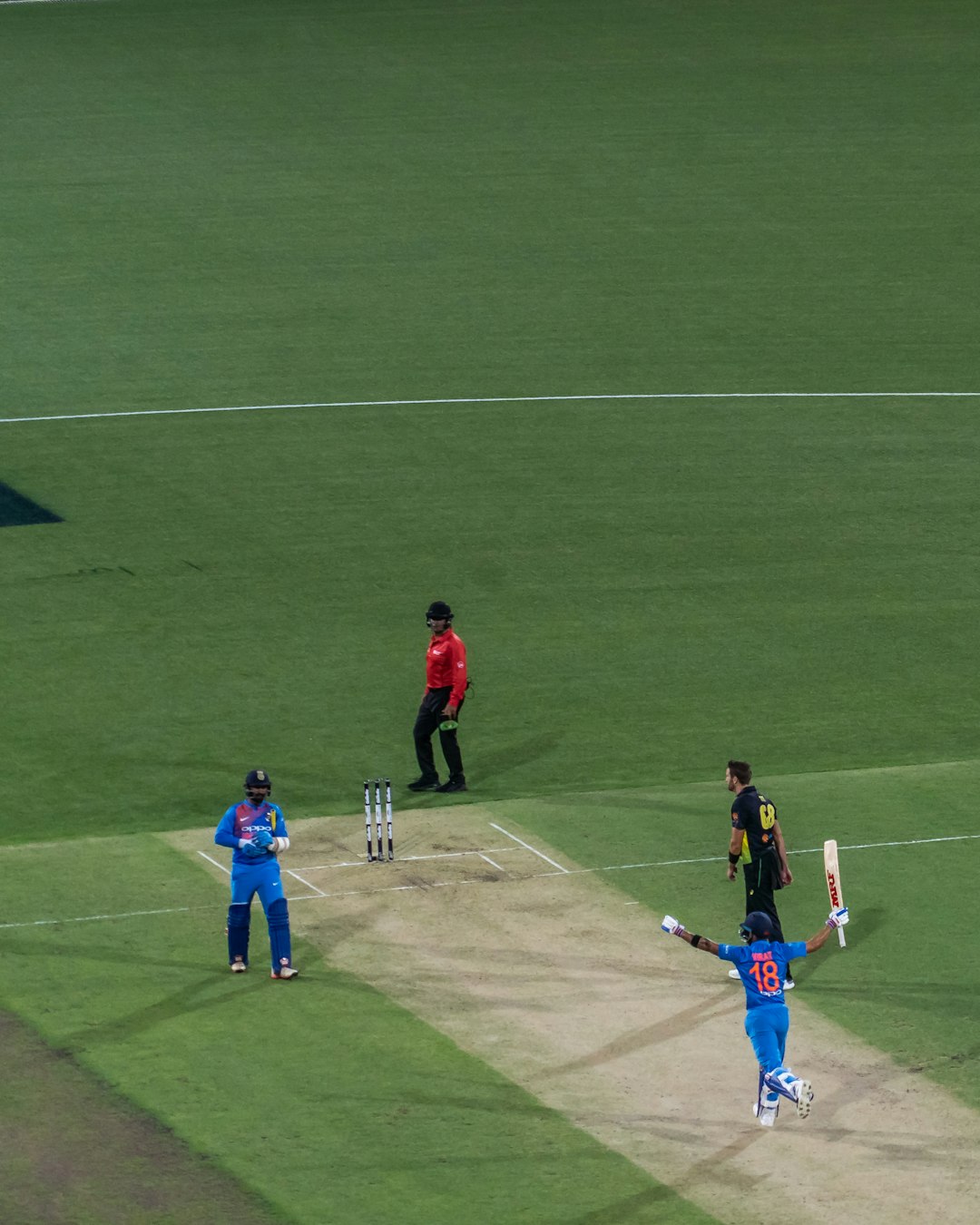

A cricket bay is the usable lane enclosed by side netting, an overhead section, and usually a net behind the target area. Its proportions should reflect the people using it and the activities sharing the room. A school might favor several compact lanes for rotating classes, while a club may need fewer bays with room for an adult bowler’s approach. Check the batter’s stance, wicket position, thrower’s location, and rebound space as one arrangement. A bay positioned neatly on a drawing can feel cramped in practice. Walking the proposed route with a tape measure often reveals that a wall, column, or stored goal occupies space nobody included on the first sketch.
Netting should be selected for the ball, usage pattern, and support system rather than by mesh appearance alone. Mesh size describes the openings, while breaking strength concerns the force the fabric can withstand before failure; those measurements answer different questions. Finer mesh may help contain smaller balls, but it can add weight and make a large curtain less convenient to move. Heavier fabric may suit a busy training area, provided the track, suspension points, and attachment method are appropriate. While comparing sports hall cricket nets, ask how the proposed material is expected to behave at the likely ball speed and frequency of use.
The roof section deserves a separate design check. A loose overhead net can catch lofted shots and produce unpredictable drops, while excessive tension may place unnecessary load on the track, cord, or supporting points. The installer should confirm the fixing positions and consider how the net will open, close, and park without fouling lights or other equipment. A trackway is the rail or guided system that controls this movement. Before handover, operate every curtain several times, including any sections that meet at corners. Watch for snagging, twisting, uneven travel, or a parked bundle that narrows a doorway. A written movement check is more useful than assuming smooth operation from a single demonstration.
An existing trackway should be inspected before anyone promises a replacement net will fit. Check rail joints, brackets, runners, end stops, attachment points, and signs that fabric has been dragged across the floor. A runner that looks acceptable during a brief inspection may jam once two adjacent bays move at the same time. Photograph each run, note its measured length, and record damaged sections on the site document. That small habit reduces rework during installation. It also separates a fabric problem from a hardware problem, since a new curtain cannot compensate for a bent rail or a missing stop.
Protection behind the bowler and target area needs its own layout. A rear net can catch missed balls, while suitable padding or screening may help protect walls and nearby equipment. A loose sheet is not a reliable substitute for supported netting because it can fold, expose gaps, or spread across a walking route. Keep the batter’s view open, and avoid placing posts where a player may run through after release. In a compact school hall, carefully positioned separation between bays may control stray balls better than adding thicker material everywhere. Confirm that the arrangement still allows staff to reach doors, stored equipment, and lighting controls.
Daily operation determines how long the system remains useful. Staff should know which curtains move, where each one parks, and who records a snag, torn seam, or loose attachment. Keep rolled or folded sections off damp floors, and do not stack heavy equipment on them. Inspect bottom edges, runners, stitching, and suspension points at regular intervals, especially after holiday programs or heavily booked weeks. A simple opening and closing routine can expose damage before it spreads. Discuss cleaning access, replacement sections, storage, and future layout changes as part of indoor cricket net installation. Those details belong in the operating plan, not as an afterthought once the hall is already in use.