An ACL injury can abruptly halt your athletic goals or daily routines. The Anterior Cruciate Ligament stabilises the knee during sharp movements like cutting, jumping, or sudden stops. Damage here affects both performance and everyday tasks such as walking or climbing stairs. Rehabilitation is a step-by-step process that aims to restore function and prevent future injuries.
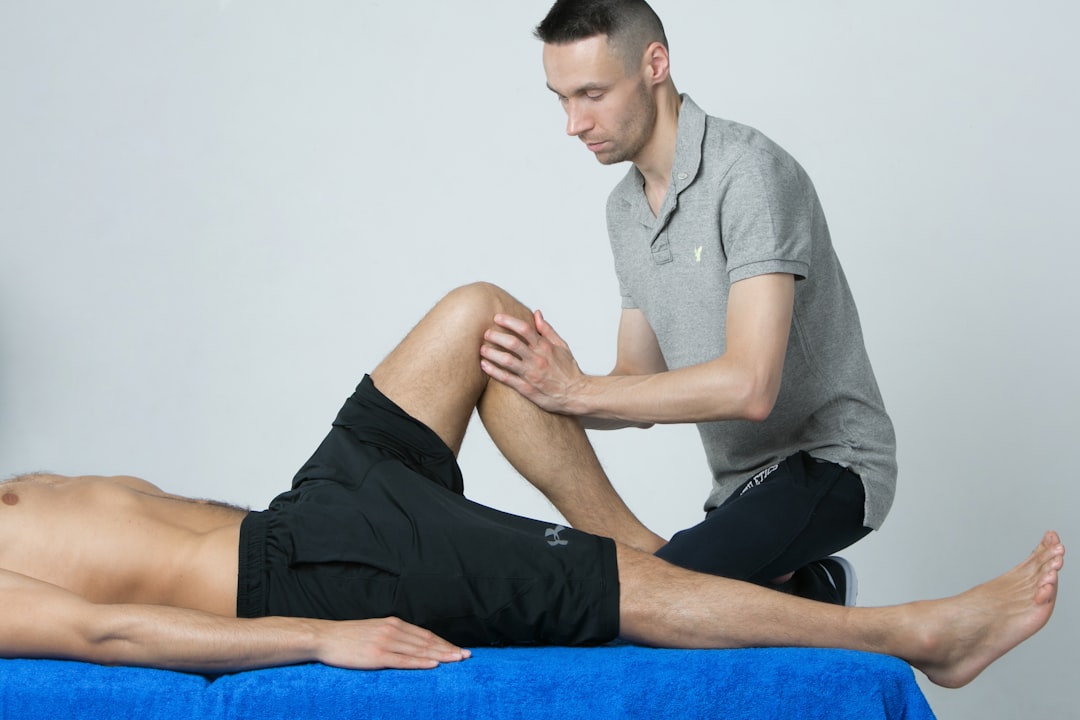
Right after an ACL injury, treatment focuses on reducing swelling and managing pain using rest, ice packs, compression bandages, and elevating the leg. These steps usually last for a few days until the initial inflammation subsides. Early movement within pain limits is encouraged to avoid stiffness. Physiotherapy then takes center stage with personalised exercises designed to regain knee mobility and rebuild strength in the muscles around the joint.
Surgery isn’t always the default choice. While athletes and people with demanding physical activities often opt for reconstruction surgery, many can recover well with conservative treatment. Physiotherapists collaborate with orthopaedic surgeons and general practitioners to decide the best route based on your activity level, age, and injury severity. This team approach ensures your rehab plan aligns with your lifestyle and goals.
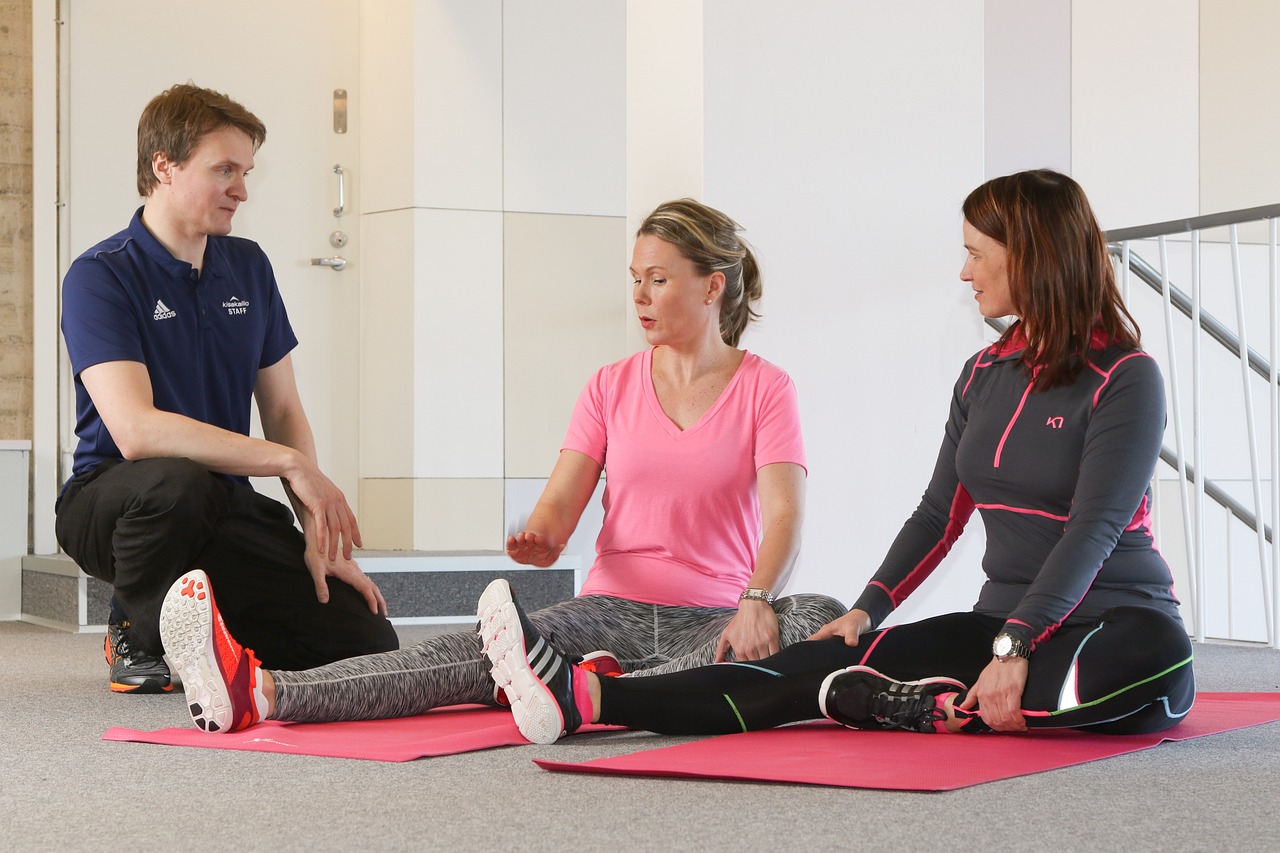
Rehabilitation incorporates balance and proprioception exercises that challenge your body’s awareness of knee position. This training is vital because it prepares you for quick, unpredictable movements common in sports. Strength work targets the quadriceps and hamstrings to support the knee during dynamic actions. Controlled functional drills mimic sport-specific motions to gradually reintroduce you to your usual activities.
Patient education often gets overlooked but is key to successful recovery. Many people underestimate the importance of consistently doing their prescribed exercises or attending follow-up sessions. Understanding how each phase of rehab contributes to healing empowers you to stay committed. It also helps set realistic expectations about timelines and setbacks, which can prevent frustration and improve adherence.
Progress is tracked through regular assessments measuring strength, range of motion, and functional performance. Your physiotherapist adjusts your programme based on these findings to avoid plateaus or overtraining. A practical detail: you might be asked to keep an exercise log or record videos of specific movements so your therapist can monitor subtle improvements or issues remotely between visits.
Long after formal rehab ends, ongoing maintenance is crucial. Incorporating agility drills, strength exercises, and flexibility routines into your regular workouts helps reduce re-injury risk. Local sports clubs sometimes offer injury prevention workshops that teach proper landing techniques or muscle activation strategies. Attending these sessions can sharpen your awareness and reinforce habits that protect your knee.
If you want practical advice on managing an ACL injury or need guidance on preventative exercises for an active lifestyle, consulting professionals who specialise in musculoskeletal health can clarify your options and provide tailored support.acl physio sydney
For additional resources on maintaining joint health and safe training practices, you can visit support for knee injury recovery. These resources offer valuable tips beyond rehabilitation clinics to help you stay active without setbacks.