
Building Confidence as an Aspiring Model

Walking into a busy casting room can shake even the most prepared aspiring model. The pressure to stand out is intense, and without solid preparation, it’s easy to freeze or stumble. That’s why enrolling in a structured modelling course can make a huge difference. Over 11 weeks, you’ll work on skills that matter, both mental toughness and physical technique, to face auditions with confidence. Posture and body language often get overlooked by newcomers. Yet, they’re fundamental. During training, expect hands-on coaching tailored to your specific challenges. Small adjustments, like how you hold your shoulders or shift your weight, can change how casting directors perceive you. You’ll practice poses and movements that highlight your strengths instead of leaving you looking stiff or unsure. Personal branding is a key focus. It’s not just about your look but how you present yourself online and offline. Many models don’t realize how much agencies check social media before offering opportunities. The course guides you on creating a profile that feels authentic while appealing to industry insiders. You’ll learn to use your social channels as more than just a portfolio, think of them as a networking tool that gets you noticed by the right people. Mock auditions simulate real casting environments where nerves run high. These sessions push you to handle common setbacks like forgetting your cues or dealing with unexpected questions. Feedback from instructors and classmates helps you adjust your approach quickly. Handling rejection is part of the process too; the course emphasizes resilience, reminding you that being turned down isn’t the end but part of building your career. Understanding different modelling sectors is crucial. Commercial, fashion, runway, they all demand different skills and presentation styles. Many beginners lump all modelling together, which can waste effort chasing unsuitable gigs. By learning these distinctions early, you can focus on opportunities that fit your look and personality, improving your chances of success. Health and fitness tailored to modelling get proper attention here. Relying solely on natural physique isn’t enough when shoots or shows require stamina and energy over long hours. Nutrition advice focuses on balanced eating that supports skin health and energy levels, while exercise routines build strength without bulk. Staying hydrated and getting enough rest are practical habits often overlooked but essential for looking camera-ready every day. The course also stresses the importance of building genuine connections. Networking isn’t just exchanging business cards; it’s about forming relationships with photographers, agents, and fellow models that can open doors later. Participating actively in workshops and local industry events during training gives you a chance to meet people who can offer guidance or job leads. A common mistake is waiting until you need something, starting early builds trust and familiarity. If you want to take real steps toward becoming an aspiring model, this kind of focused training offers tools you won’t find online or in casual advice columns. With experienced instructors guiding you through the nitty-gritty details, from posture tweaks to social media strategy, you gain an edge that could make all the difference. For those seeking additional information or related opportunities in modelling careers, check out model career advice and resources. It’s a solid place to explore further paths once you’ve built your foundation.
Precision Pouring with Chemical Jug Nozzles

In kitchens and laboratories where exact measurements matter, pouring liquids without spills is a constant challenge. A jug without the right nozzle often leads to drips and wasted material, forcing workers to re-measure or clean up messes. The chemical jug rinse nozzle addresses this with a controlled flow design that cuts down on spills and improves accuracy. It’s a simple fix that saves time and reduces errors in any setting where precision is critical. The Accu-Pour pitcher stands out as a reliable choice for those who need both accuracy and ease of use. Its ergonomic handle isn’t just about comfort, it helps prevent hand fatigue during long shifts. Anyone who’s held a heavy jug knows how quickly a poor grip can tire the wrist. With this pitcher, users can pour steadily and confidently, keeping their focus on tasks instead of battling awkward equipment. Durability is another key factor. Pitchers in busy environments face constant impact, exposure to chemicals, and frequent rinsing. The Accu-Pour is built from tough materials that resist cracking and discoloration, even after repeated use. In practice, this means fewer replacements and less downtime waiting for new gear. A chipped or faded jug can also cause confusion in hectic workspaces where clear markings are necessary. Accuracy matters most in labs or production lines where even small deviations can disrupt outcomes. The chemical jug rinse nozzle provides a steady, precise stream that minimizes splashing and overpouring. This reliability supports strict measurement protocols, whether mixing chemical solutions or preparing food ingredients. A common tip among experienced operators is to always rinse the nozzle between uses to avoid cross-contamination, which the nozzle’s design makes straightforward. In restaurant kitchens, consistency is king. Chefs rely on precise measurements to keep sauces and dressings uniform across batches. A pitcher with a chemical jug rinse nozzle lets them rinse and refill quickly without dripping or contaminating other ingredients. This efficiency shortens prep time during busy service hours and helps maintain quality standards. Many kitchens keep a log sheet near the prep station to track which pitchers have been cleaned and refilled, preventing mix-ups. Beyond culinary uses, chemical plants also depend on accurate liquid handling for safety and compliance. Operators must meet strict regulatory standards while maintaining productivity. The precision pouring from these pitchers supports both goals by reducing waste and limiting exposure to hazardous substances. Regular inspection of nozzle seals and replacement of worn parts are standard procedures to keep equipment functioning properly in these settings. Investing in a quality pitcher with a chemical jug rinse nozzle pays off by cutting down on measurement errors and improving workflow. Whether you’re mixing delicate solutions or preparing recipes, this tool helps maintain consistent results under pressure. For specific options designed to suit various needs, check out this chemical jug rinse nozzle. Choosing the right pouring tools affects more than just accuracy; it impacts daily routines and overall efficiency. Durable design, ergonomic handling, and precision flow combine to reduce frustration and increase output. If you want equipment that fits easily into demanding environments, explore further at industrial fluid handling supplies. Knowing what works in practice makes all the difference when every drop matters.
Stone Benchtops for Your Kitchen

Picture this: you’ve just finished renovating your kitchen, but the sink you picked doesn’t fit the stone benchtop cut. It’s a frustrating and surprisingly common issue in Melbourne renovations. Stone benchtops need precise cutting to match sinks, cooktops, and other fixtures perfectly. This precision affects not just how the kitchen looks but how well it functions day to day. Whether updating an old kitchen or installing a brand-new one, getting measurements right and working with experienced cutters can save you headaches later. Cutting stone isn’t as simple as it looks. Each type of stone behaves differently under the saw. Granite, for example, chips easily if cut improperly and requires diamond-tipped blades and steady hands. Quartz, while a bit more forgiving, still demands careful handling to avoid cracks or rough edges. Professionals often use water-cooled saws to reduce dust and prevent overheating the stone. They’ll check measurements twice and often create templates before cutting. This extra care prevents costly mistakes and ensures the sink or cooktop fits snugly. Stone services go beyond just cutting new pieces. Many companies also offer repairs for chips, scratches, or stains that develop over time. It’s common for countertops to need refinishing after years of use, especially around busy areas like sinks or chopping zones. Some service providers craft custom splashbacks too, matching the benchtop or providing a contrasting design element. These splashbacks can protect walls from moisture while adding style, tailored exactly to your kitchen’s layout. In Melbourne and Geelong, you’ll find many stone fabricators but not all understand local preferences. For example, lighter stones that reflect natural light are popular here because they brighten smaller kitchens common in older homes. A good fabricator will guide you through options that suit your space and lifestyle. They’ll talk about thickness choices (usually 20mm or 30mm), edge profiles like eased or bullnose, and sealants to protect against stains and wear. The process usually starts with a site visit. The technician measures everything precisely, noting irregularities like uneven walls or cabinets that can affect installation. They’ll discuss your preferences and suggest materials based on durability and style. Cutting happens off-site with computer-guided machinery that maximises stone use and cuts waste. Once cut, each piece is polished by hand to smooth edges and bring out the stone’s natural colour before it’s transported back for installation. Questions often arise about the value of investing in high-quality stone versus cheaper alternatives like laminate or engineered surfaces. Realistically, well-chosen stone can last decades if maintained properly. It resists heat and scratches better than most materials. A common habit among installers is advising clients on using cutting boards and cleaning with pH-neutral products to keep surfaces pristine longer, small details that make a big difference over time. For those considering a remodel, consulting with a knowledgeable service provider early can prevent costly errors. Some homeowners mistakenly send rough measurements from their own tape measures without accounting for things like cabinet overhangs or sink lip thicknesses. Professionals take all these into account, often creating detailed templates or digital measurements to avoid rework. If you want more information on services available in the area, check out resources about stone benchtops melbourne. They cover practical advice on installation techniques and maintenance tips that help extend your benchtop’s life. Choosing DS Stone Benchtops means working with a team familiar with Melbourne’s unique kitchen styles and requirements. With years of experience serving both Melbourne and Geelong customers, they focus on personalised service tailored to each project’s needs. Their attention to detail during cutting, polishing, and installation ensures every piece fits perfectly and looks great from day one. For more information about their offerings, visit stone surface options in melbourne.
Understanding Culture Historical Archaeology Practices
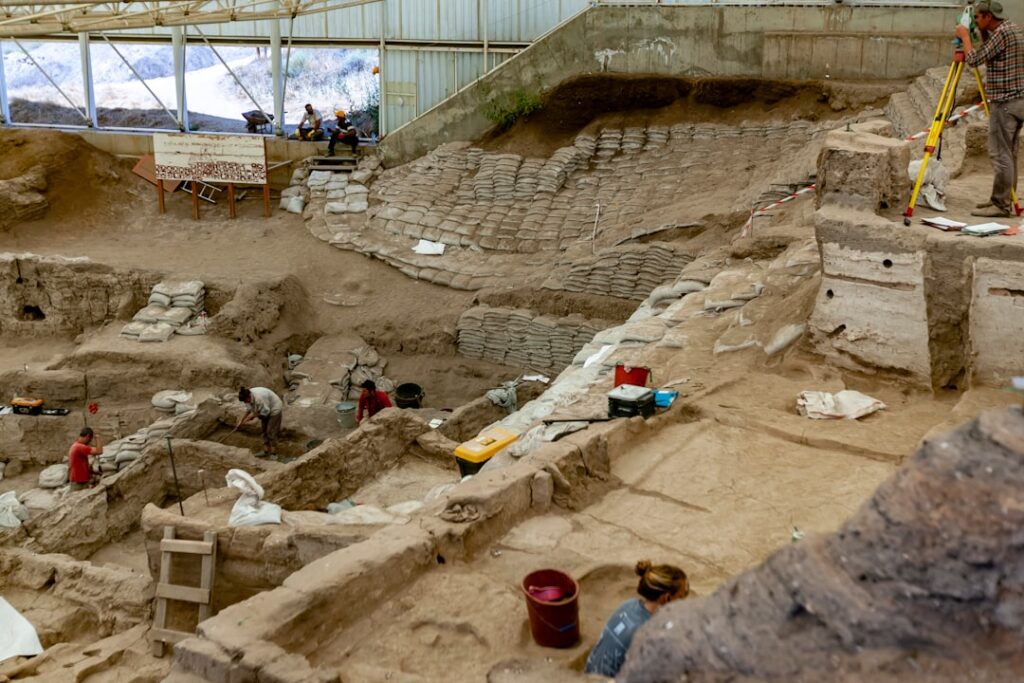
When construction begins, the soil often holds silent stories waiting to be uncovered. Project managers frequently encounter the need to comply with cultural heritage laws before breaking ground. Increased recognition of archaeological preservation means companies must conduct detailed heritage assessments early in their planning. This is where culture historical archaeology becomes vital, offering critical perspectives on both Indigenous and settler histories.culture historical archaeology looks beyond just finding artefacts; it seeks to interpret their context and significance. For example, during groundwork for a housing estate, archaeologists might unearth tools or ceramics dating back to colonial times. These finds trigger formal evaluations to gauge their importance and decide how to protect them without halting development unnecessarily. Dealing with Indigenous heritage often presents unique challenges for businesses. Consider a mining company aiming to extend operations into land recognized as culturally significant by local Indigenous groups. Engaging with these communities early through consultation and archaeological study helps build mutual understanding. Such collaboration can lead to project plans that honor traditional connections while allowing resource extraction, reducing the risk of conflict or delays. Recording artefacts involves more than cataloging objects; it requires careful analysis to reconstruct past lifeways. Pottery fragments, for example, might reveal trading routes or dietary preferences. Techniques like radiocarbon dating establish timelines, while stratigraphic analysis shows how settlements evolved over time. These methods inform heritage management decisions and guide contemporary land use policies. Connecting With Country reports are essential documents that link Indigenous knowledge with modern development needs. They outline spiritual and historical ties to land, helping decision-makers avoid disrupting sacred sites. Preparing these reports often involves working closely with elders and community representatives to ensure authenticity and respect. Expert witness reports become crucial when disagreements arise over archaeological findings or heritage protocols. These impartial assessments support legal processes or negotiations by providing evidence-based evaluations. For instance, if a developer disputes the significance of Indigenous artefacts found onsite, an expert can clarify the facts using accepted scientific approaches. As cultural heritage awareness grows, culture historical archaeology adapts alongside legal frameworks. Companies benefit from staying updated on relevant regulations and involving heritage consultants early. This proactive approach minimizes compliance risks and fosters respect for cultural values. A common pitfall is underestimating the time needed for thorough archaeological assessments. Rushed surveys often miss subtle site features, leading to costly rework once construction is underway. Experienced teams typically build in extra days for fieldwork, community meetings, and report preparation to avoid delays. Clear communication between archaeologists, developers, and Indigenous stakeholders prevents misunderstandings. Simple practices like providing detailed maps showing sensitive areas or holding regular progress briefings help keep everyone aligned. In one project, a lack of early dialogue led to confusion over artefact handling procedures, which could have been avoided with better coordination. Integrating archaeological reviews into project planning not only meets legal obligations but also strengthens community relations by recognizing diverse histories. Businesses aiming for sustainable development would do well to treat heritage assessments as foundational steps rather than afterthoughts. Such diligence supports responsible land use while honoring the stories written beneath our feet.cultural heritage advisory services