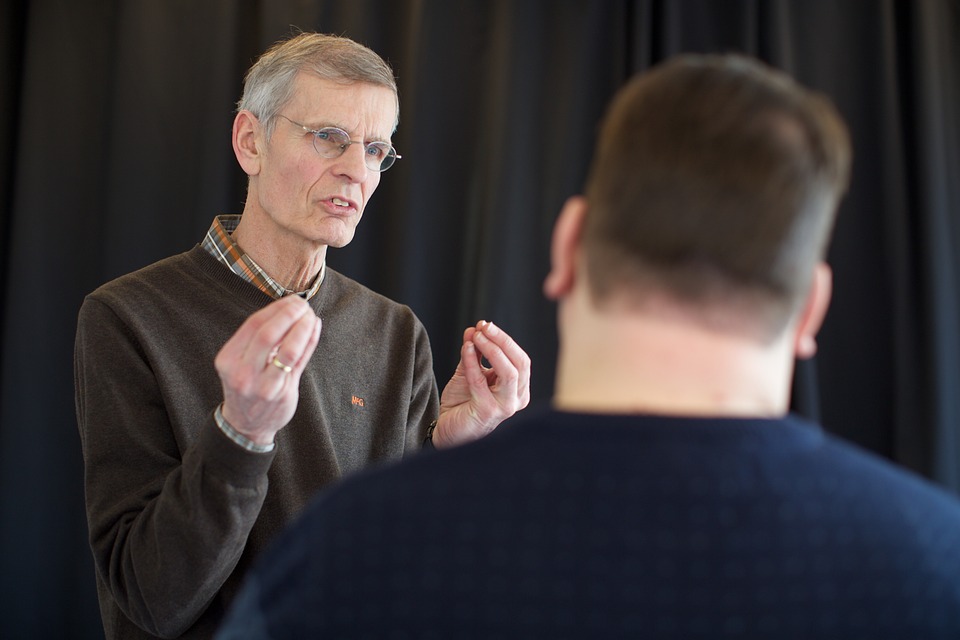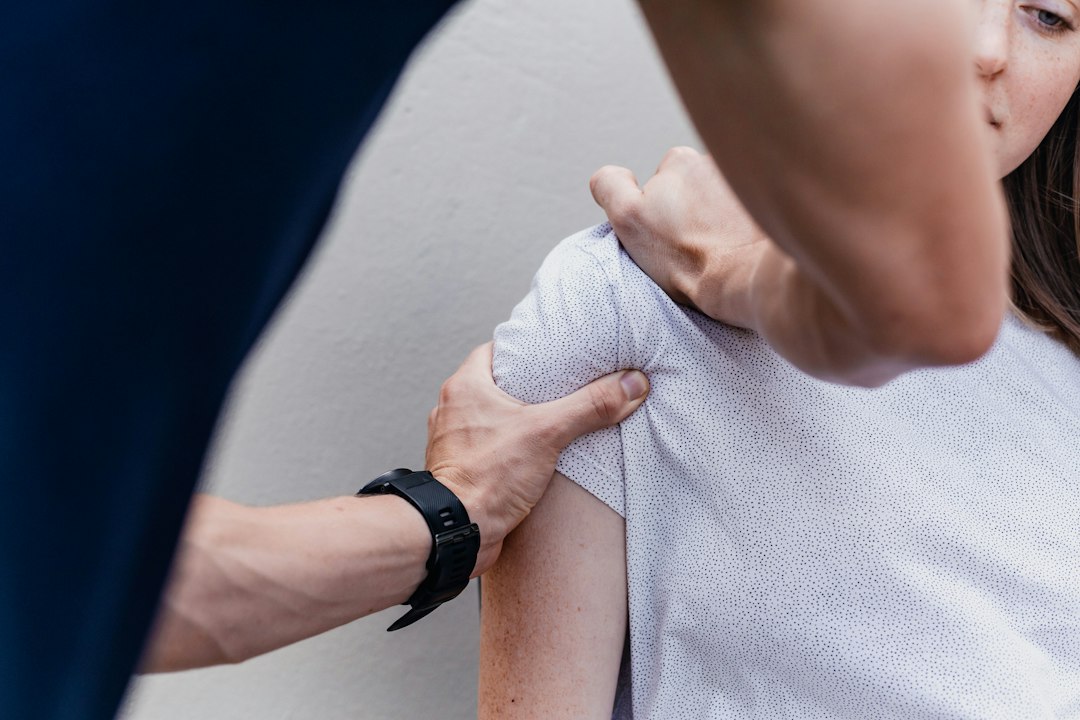

Posture and body language often get overlooked by newcomers. Yet, they’re fundamental. During training, expect hands-on coaching tailored to your specific challenges. Small adjustments, like how you hold your shoulders or shift your weight, can change how casting directors perceive you. You’ll practice poses and movements that highlight your strengths instead of leaving you looking stiff or unsure.
Personal branding is a key focus. It’s not just about your look but how you present yourself online and offline. Many models don’t realize how much agencies check social media before offering opportunities. The course guides you on creating a profile that feels authentic while appealing to industry insiders. You’ll learn to use your social channels as more than just a portfolio, think of them as a networking tool that gets you noticed by the right people.
Mock auditions simulate real casting environments where nerves run high. These sessions push you to handle common setbacks like forgetting your cues or dealing with unexpected questions. Feedback from instructors and classmates helps you adjust your approach quickly. Handling rejection is part of the process too; the course emphasizes resilience, reminding you that being turned down isn’t the end but part of building your career.
Understanding different modelling sectors is crucial. Commercial, fashion, runway, they all demand different skills and presentation styles. Many beginners lump all modelling together, which can waste effort chasing unsuitable gigs. By learning these distinctions early, you can focus on opportunities that fit your look and personality, improving your chances of success.
Health and fitness tailored to modelling get proper attention here. Relying solely on natural physique isn’t enough when shoots or shows require stamina and energy over long hours. Nutrition advice focuses on balanced eating that supports skin health and energy levels, while exercise routines build strength without bulk. Staying hydrated and getting enough rest are practical habits often overlooked but essential for looking camera-ready every day.
The course also stresses the importance of building genuine connections. Networking isn’t just exchanging business cards; it’s about forming relationships with photographers, agents, and fellow models that can open doors later. Participating actively in workshops and local industry events during training gives you a chance to meet people who can offer guidance or job leads. A common mistake is waiting until you need something, starting early builds trust and familiarity.
If you want to take real steps toward becoming an aspiring model, this kind of focused training offers tools you won’t find online or in casual advice columns. With experienced instructors guiding you through the nitty-gritty details, from posture tweaks to social media strategy, you gain an edge that could make all the difference.
For those seeking additional information or related opportunities in modelling careers, check out model career advice and resources. It’s a solid place to explore further paths once you’ve built your foundation.