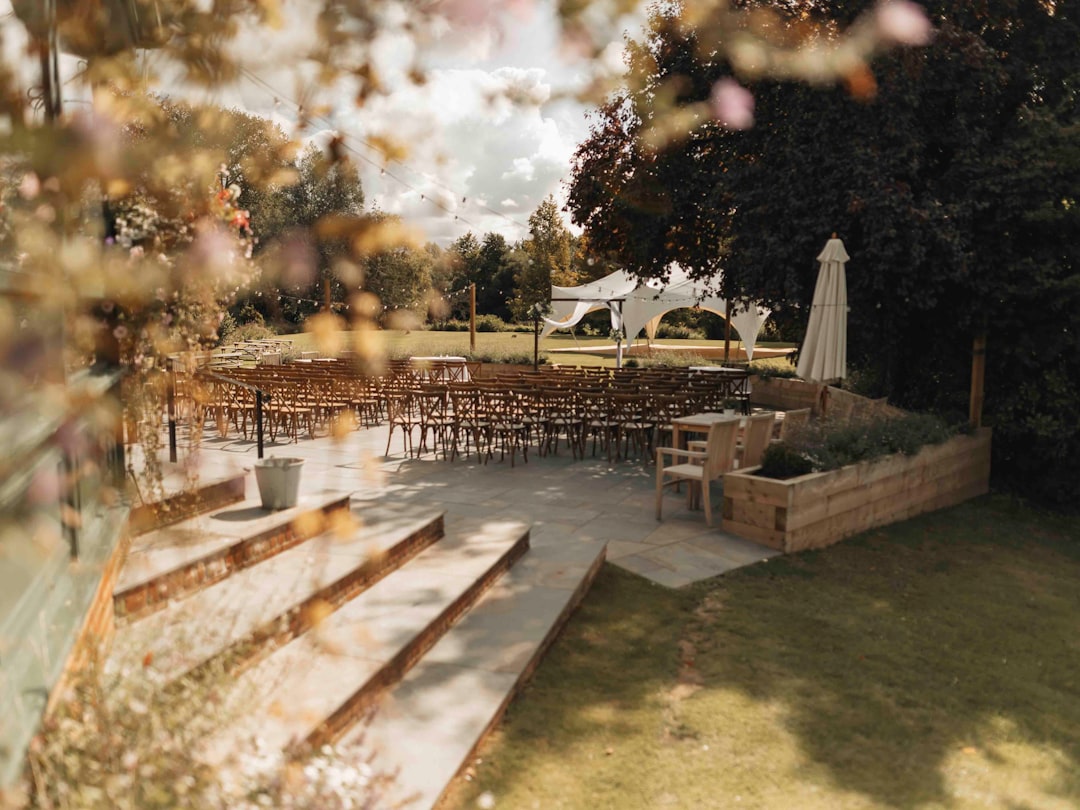

The altar may be exposed while the nave remains dim, a lectern may be legible from one pew but not the next, and a bright fitting may sit directly in a worshipper’s line of sight. These faults usually arise when lighting is specified as a collection of products instead of as part of the building’s visual environment.
People need to read, move safely, see faces, follow music and appreciate the architecture. Those activities do not all need the same brightness, direction or colour. Planning should begin with observation, not a catalogue.