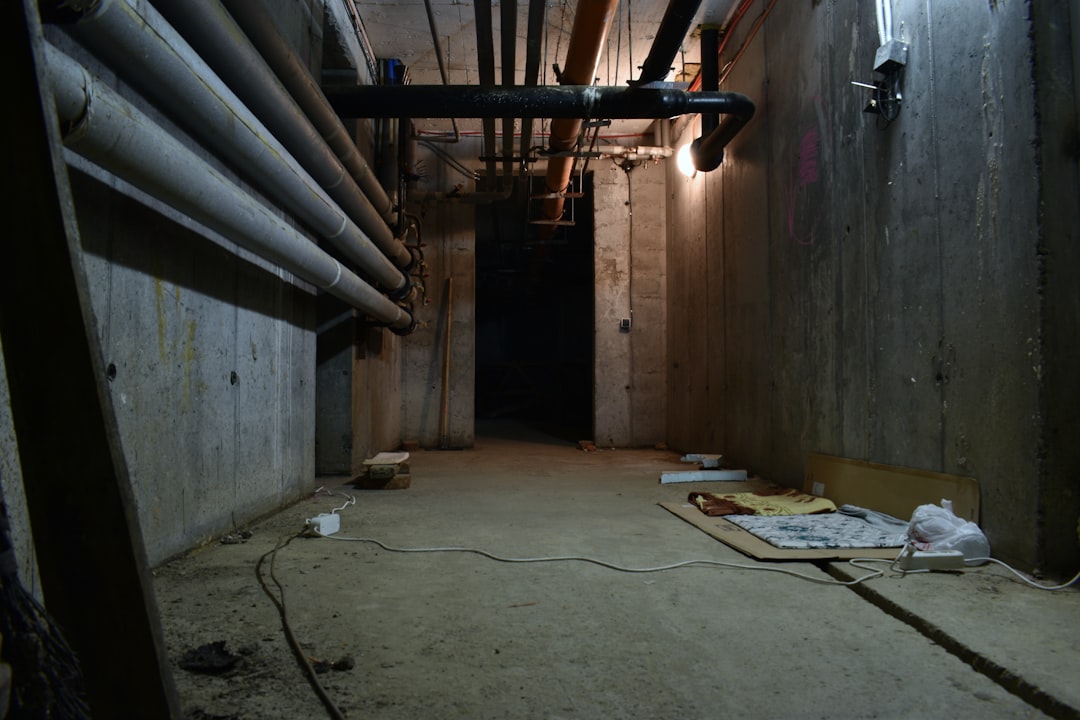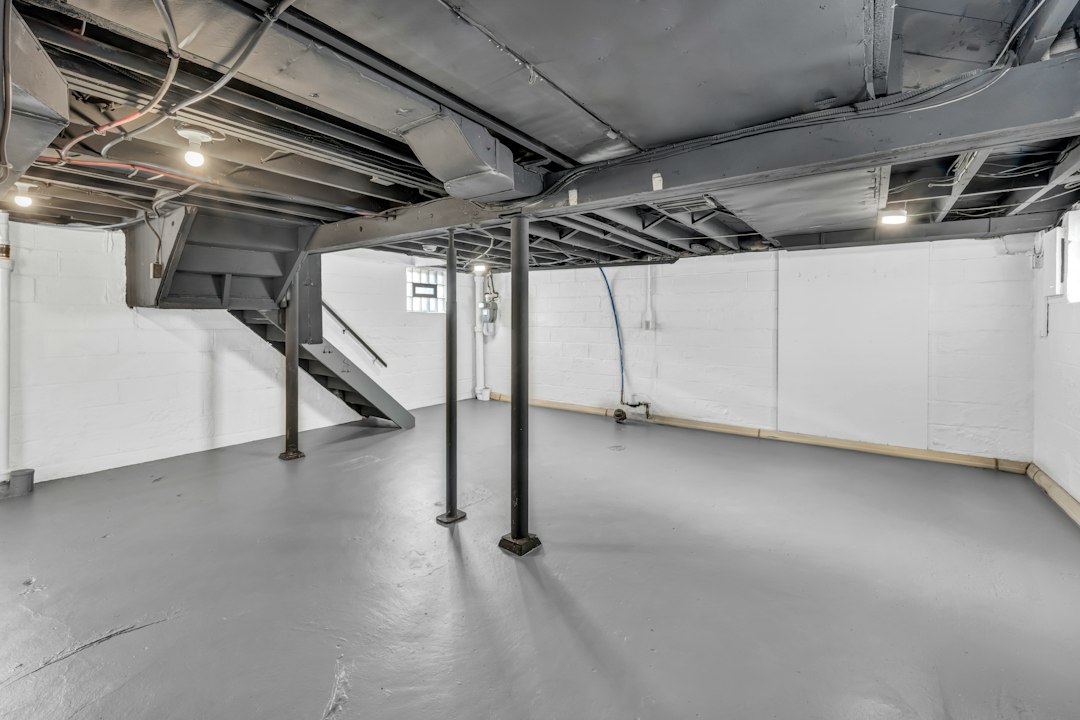

The surface receiving the system is called the substrate. It may be concrete, masonry, metal, or an existing membrane, and its condition controls adhesion. Dust, oil, laitance, loose particles, and trapped moisture can interfere with bonding. Cracks also need to be identified by behavior, not just width. A stable shrinkage crack may accept a suitable filler, while a moving joint needs a flexible detail that can accommodate movement. A clean warehouse wall may need modest preparation; an aging parking structure may require cleaning, concrete repairs, and moisture testing before application begins.
System selection involves site conditions and consequences, not a universal best product. Liquid-applied membranes can cover irregular geometry and penetrations without sheet laps, but consistent preparation and thickness are vital. Sheet membranes offer factory-controlled thickness across broad, regular surfaces, while seams, corners, and penetrations demand careful installation. A practical commercial waterproofing specification should consider exposure, building movement, access, curing conditions, and how easily a failed area can be reached. The least expensive bid may not remain economical if the area must be reopened for repeated patching.
Weather and scheduling can determine whether a sound specification performs as intended. Temperature, surface moisture, wind, airborne dust, and incoming rain can affect curing and adhesion. A coating may feel dry on top while remaining soft below, and applying a membrane over damp concrete can trap moisture. Wet-film thickness is the depth during installation; dry-film thickness is the depth after curing and material loss. Appropriate gauges or other specified checks can confirm coverage. On a loading dock, isolating each work zone between deliveries helps prevent tire traffic, dust, and hurried finishing from damaging fresh material.
Transitions deserve close attention because the waterproof layer is interrupted there. Pipes, drains, vents, conduits, corners, and parapets require sealed or reinforced details suited to the system. Expansion and control joints move as the structure settles or temperatures change, so a rigid coating spanning a moving joint may crack even if the surrounding concrete remains sound. Flashing directs water away from exposed edges, while termination details hold the membrane securely where it stops. A roof meeting a facade may need coordinated building envelope repairs, with compatible details agreed upon before separate trades cover one another’s work.
Below-grade water pressure changes the repair decision. Hydrostatic pressure is the force water applies against a basement wall or slab. An interior patch may reduce visible leakage while leaving pressure behind the repair, allowing moisture to emerge at a nearby weak point. Depending on access and site conditions, the investigation may need to consider exterior excavation, drainage improvements, sump arrangements, or pressure-relief measures. For a basement that leaks only after extended rain, the facilities manager should check whether downspouts discharge properly and whether drains are blocked before approving a surface treatment alone.
Good records make both installation and future diagnosis more reliable. Before work starts, document leak locations, substrate defects, existing cracks, inaccessible areas, weather, and the limits of the repair. During application, record preparation steps, detail treatment, environmental conditions, and coverage checks instead of relying on a final visual inspection. Afterward, keep drains clear, inspect exposed edges and joints, and investigate new staining promptly. A maintenance log that notes the date, location, and weather during each observation can prevent a small recurrence from becoming a concealed building-envelope problem.