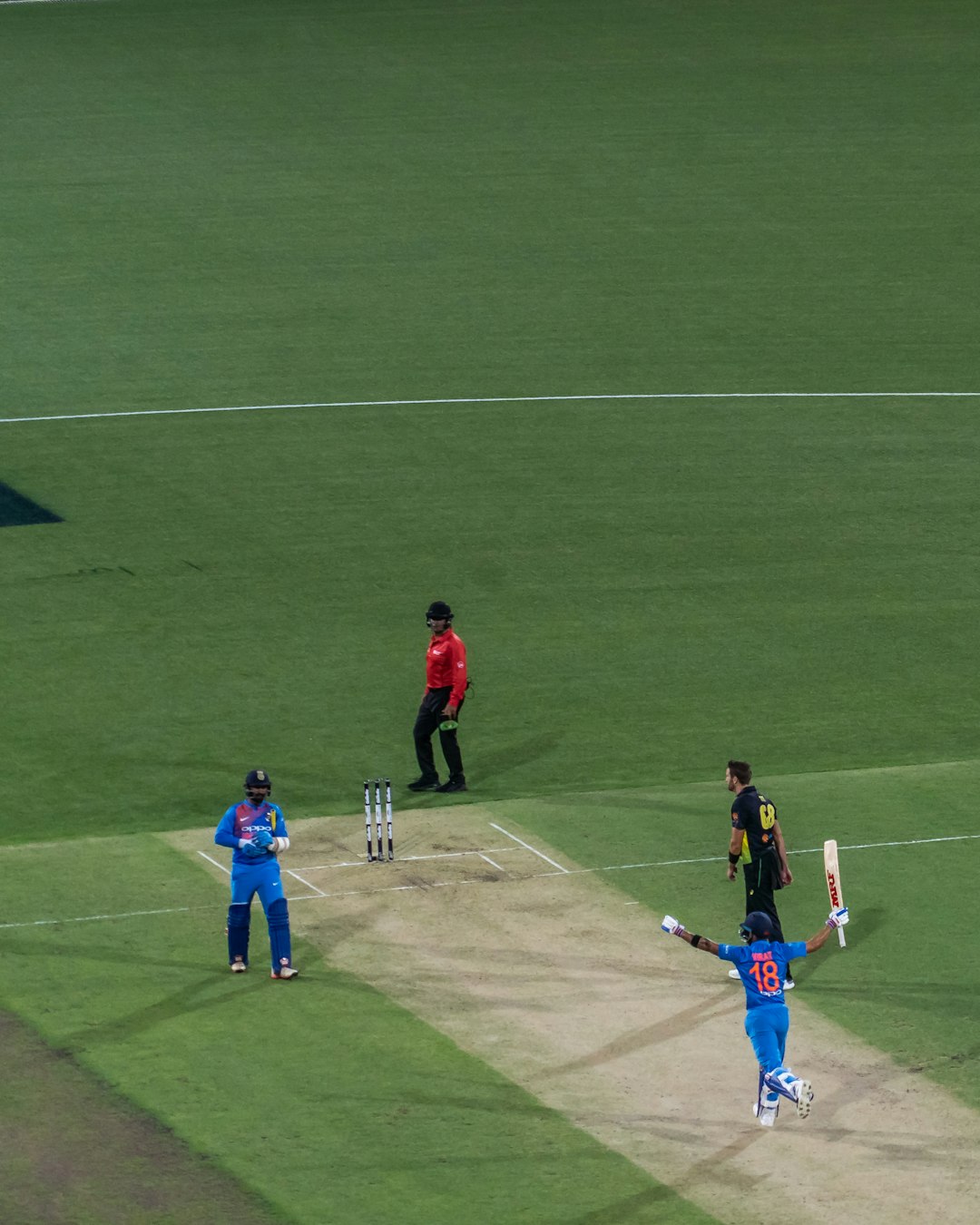

The following morning, the player tries to return to training to test whether the symptoms have disappeared. Exercise brings back dizziness, so they stop, rest for several days and then repeat the same cycle. That approach makes recovery difficult to judge. Complete inactivity is not automatically the answer, while repeatedly pushing through symptoms is not a dependable test of readiness. A better first step is to record what happened, when symptoms appeared and which activities affect them. Headache, nausea, blurred vision, unusual tiredness, poor concentration and sensitivity to noise can all give a clinician useful context.
A careful assessment looks beyond head pain. Balance and eye movements may be considered because the vestibular system, which helps the brain interpret movement and maintain balance, can be disturbed after concussion. Concentration and reaction tasks may reveal cognitive fatigue, meaning ordinary information processing feels more demanding than usual. Neck movement is also relevant because muscles and joints around the cervical spine can contribute to headache or dizziness. These findings do not prove one cause on their own, but considered together they can shape a more suitable plan. The aim is to understand function, not simply record whether pain is present.
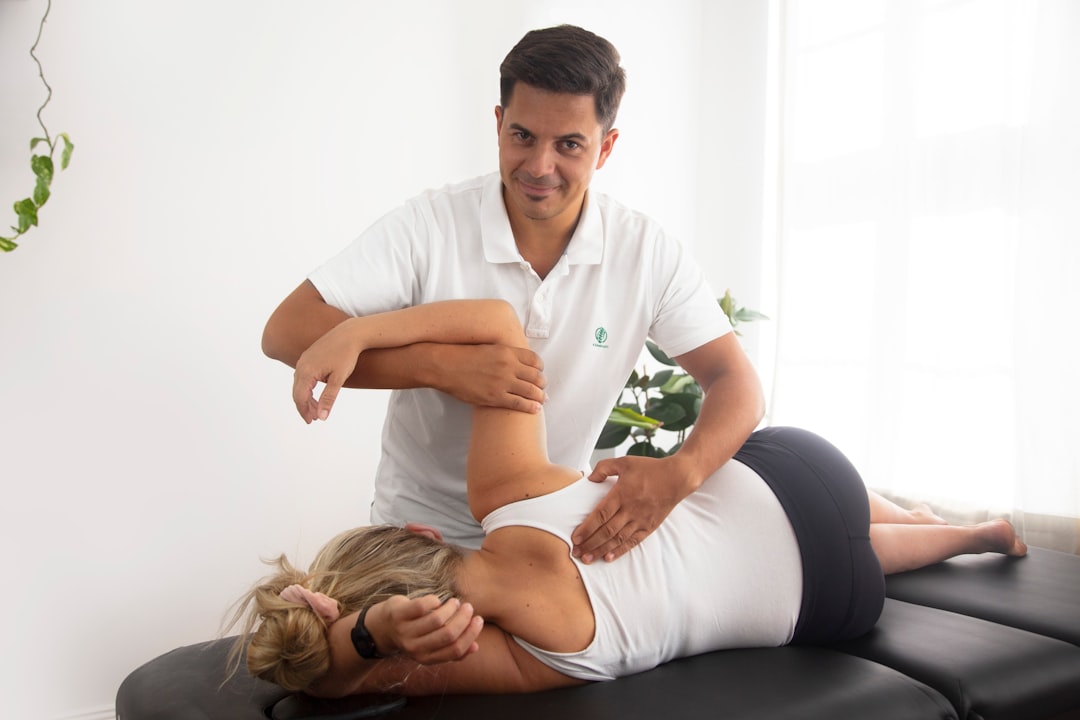
The better approach is often a graded return to normal activity. Graded means increasing physical, mental and visual demands in small steps while observing whether symptoms remain stable or worsen. A student might begin with short periods of quiet study before attempting a full day of lessons. An office worker may need screen breaks, reduced multitasking and a gradual return to lengthy meetings. A physiotherapist might address balance, movement control or neck-related restrictions when clinically appropriate. The pace should be individual, and a setback is a reason to review the plan rather than treat recovery as a failure.
Consider a hypothetical recreational runner who feels almost normal while sitting but develops a pounding headache after a gentle jog. Instead of ignoring it, they note how long it lasts and return to the last comfortable level of activity. That response gives a treating professional clearer information than simply saying the run felt bad. Symptom monitoring is not constant worry; it is a practical way to identify patterns across exercise, screens, sleep and daily tasks. Guidance may include activity modification, vestibular exercises or manual therapy when suitable, with progress judged by function as well as by how the person feels at rest.
When comparing services, ask whether an assessment will address sport, work, study, balance, vision and neck symptoms rather than focusing only on rest. Physiotherapy services may include sports physiotherapy, vertigo treatment or manual therapy, but the appropriate option depends on the findings and the clinician’s scope. A practice providing concussion recovery guidance may also be useful when appointments, transport and follow-up need to fit around ordinary life. Clear communication matters more than selecting a provider by its label alone. Ask how progress will be reviewed and what should happen if symptoms return.
Before an appointment, prepare a timeline of the incident, previous head injuries, current symptoms, medicines and relevant medical history. Avoid driving if dizziness, slowed reactions or visual problems make it unsafe. Severe or worsening symptoms, repeated vomiting, a seizure, increasing confusion, unusual drowsiness, weakness or difficulty speaking require urgent medical attention rather than a routine physiotherapy appointment. For less urgent cases, a measured assessment, written activity plan and review can replace guesswork. That process supports practical decisions about returning to study, work, exercise and sport while recognising that recovery may need adjustment as symptoms change.