
Condition grades offer a useful shorthand, but they are not a promise of silent playback. A near-mint copy should show very little evidence of use. Very good copies may have light marks, occasional crackle, or a worn jacket. Grading standards vary between sellers, so ask focused questions instead of relying on a single adjective such as clean. Find out whether both sides were played, whether noise occurs in quiet sections, and whether the jacket has split seams. A record that looks excellent under a shop light may still be noisy. Soft vocals, sparse introductions, and pauses between songs expose surface noise more readily than a dense chorus.
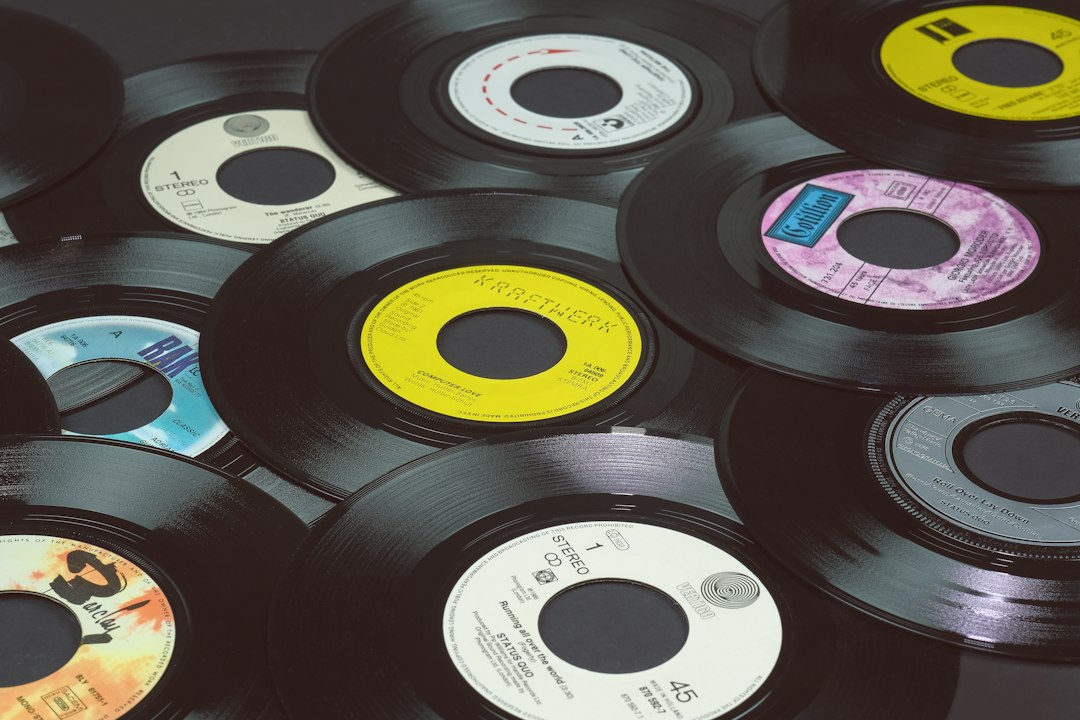
The edition itself deserves attention. A pressing refers to a particular manufacturing run, and copies of the same album can differ because of mastering, pressing quality, or the source used to cut the record. Compare the label design, catalog number, country of manufacture, and any matrix markings in the deadwax. The deadwax is the smooth area between the final groove and the center label, where stamped or handwritten codes can help separate similar releases. Check a discography or release database if the details matter to you. Age alone does not establish quality; a clean later pressing can be more enjoyable than a heavily worn early copy.
A short routine prevents careless purchases in a crowded shop. Start by matching the sleeve, label, and catalog information to the release you intend to buy. Then confirm that the record is in the correct inner sleeve and that a double album has both discs. Inspect the spindle hole and label for signs of rough handling. A slightly enlarged hole may not affect playback, but it can indicate repeated removal with poor technique. If a listening station is available, begin with a quiet passage rather than the loudest song. Keep a phone note with catalog numbers or pressing details that interest you, so you do not have to reconstruct them from memory later. For pop vinyl, that small habit can save a second trip.
Playback problems often begin with setup rather than with the record. Set the tracking force within the cartridge manufacturer’s recommended range and balance the tonearm according to the turntable instructions. Too little force can contribute to mistracking, in which the stylus loses accurate contact and distorts louder passages. Excessive force can increase wear, so guessing is unhelpful. Keep the turntable level and remove loose dust with a carbon-fiber record brush before playing. Clean the stylus only with a tool intended for that purpose. Handle the record by its edge and labeled center, never by the playing surface, where fingerprints collect dust and leave residue.
Storage habits become more important as shelves fill. Store records vertically, like books, with enough room to remove one without dragging neighboring jackets across it. Long periods of leaning can place uneven pressure on the discs and jackets. Keep the collection away from radiators, sunny windows, damp basements, and other areas with large changes in heat or humidity. A polyethylene or polypropylene inner sleeve can reduce scuffing, while an outer sleeve protects artwork from shelf friction and handling. Do not force a thick gatefold jacket and its inserts into a tight protector. If the spine bends while the sleeve is being inserted, use a larger size instead.
Online listings need closer inspection because a photograph rarely shows groove wear or every included part. Ask for images of the actual record rather than a stock image, including the labels, jacket spine, and deadwax when the edition is important. Confirm whether the listing covers one disc or a complete set, and ask specifically about lyric sheets, posters, printed inner sleeves, and inserts. It is also worth checking the seller’s return terms before paying, particularly if the description uses a broad grade without playback notes. For vinyl record buying advice, keep the release details beside the listing and compare the catalog number before assuming two copies are identical.
A simple collection record can prevent repeated research and mistaken duplicates. Note the artist, title, catalog number, country, condition, purchase price, and any matrix information that identifies the copy. If a record arrives with a problem, photograph the packaging and the defect before cleaning or playing it repeatedly; those details make a seller conversation clearer. Replace torn paper sleeves carefully, but retain original printed sleeves and inserts because they belong to the release. Clean records using a method suited to the material and follow the equipment maker’s instructions. The useful purchase is the copy with a clear identity, honest condition notes, and the parts your listening setup and budget can accommodate.