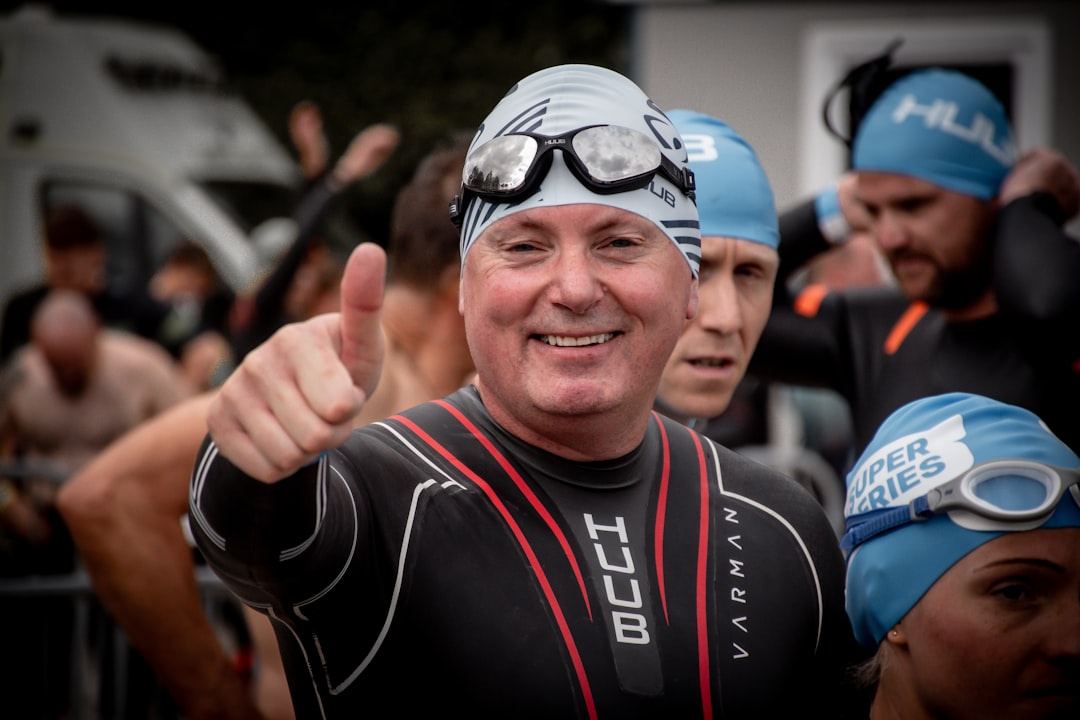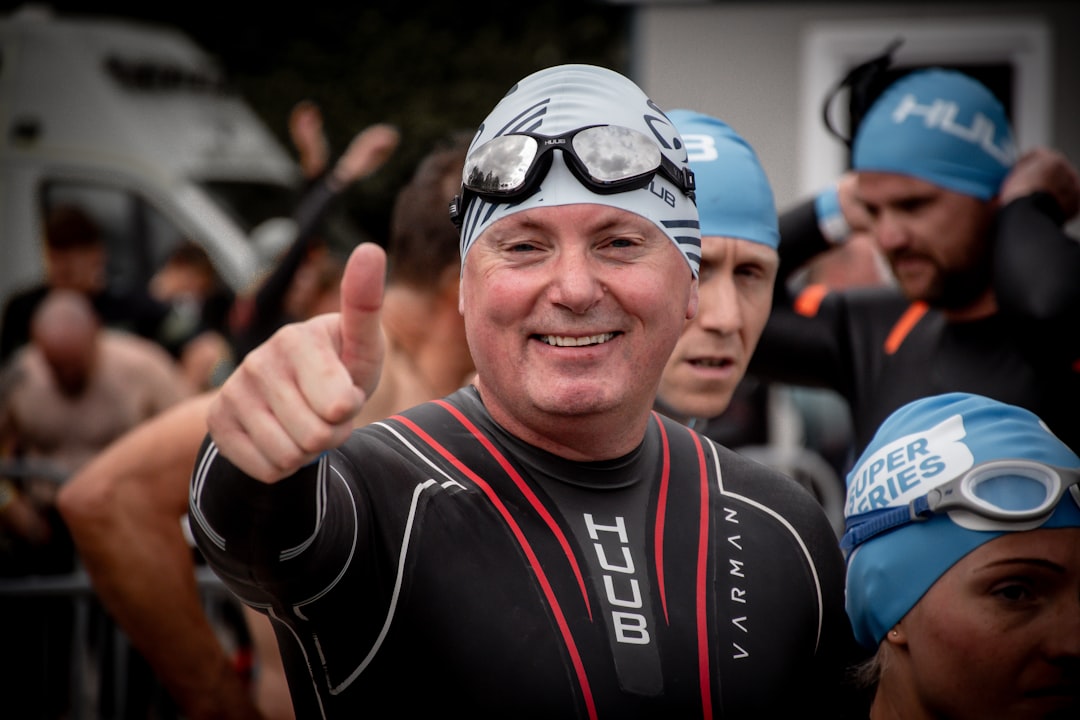

A useful first step is to decide what the cap must communicate from the poolside. A short club name, initials, a simple emblem or a strong team colour will usually be easier to read than a detailed badge squeezed into a small area. Reviewing custom swim caps uk with those requirements in mind keeps the order focused on practical use. Before sending artwork, note the cap colour, the intended position of the design and whether swimmers need to be identifiable from the side or front. That brief can prevent decorative choices from taking priority over legibility.
Material affects both handling and suitability. Silicone is smooth and flexible, and is often selected for its durability and ability to hold its shape during regular use. Latex is generally thinner and more elastic, but it is not suitable for swimmers with a latex allergy. The difference matters for a squad that trains several times a week, a group attending one gala or a mixed club with varied preferences. Surface finish, thickness and stretch may also affect how a design appears once the cap is worn. The order form should record material preferences and allergy information rather than treating colour or price as the only criteria.
Artwork needs a separate check before production. A vector file describes a logo through lines and shapes, so it can normally be resized without the jagged edges associated with an enlarged pixel image. A low-resolution raster file may look acceptable in an email attachment but become soft when prepared for printing. Ask the person who supplied the logo for the original artwork file, and check whether small lettering, thin outlines or narrow gaps will remain visible at the proposed size. Dark artwork on a dark cap can also lose contrast. A proof showing scale, position and colour is more useful than approving a logo from a phone screen.
Fit deserves attention even if the caps are sold in a general size. Children, adults and swimmers with long hair may need different amounts of stretch and coverage. One swimmer may find a close-fitting cap secure, while another may experience pressure around the temples or struggle to contain a ponytail. A sample cap can reveal whether the opening stretches comfortably, whether the edge lies flat and whether the artwork remains readable after the material is pulled over the head. For a junior squad, record who is receiving each size and allow for growth where appropriate. Do not assume that one cap will suit every member of a mixed group.
A school gala provides a practical example of sensible editing. The organiser may start with a crest containing fine outlines, several colours and a small motto. Reproducing the complete badge at a reduced size could make those elements merge together. A cleaner version might retain the main shield shape, remove tiny internal details and place the school initials where they can be seen from the side. That is not a rejection of the original identity. It is an adjustment to the available curved space. A restrained design often communicates more clearly than a full crest that has been enlarged until it dominates the cap.
Timing and approval should be treated as part of the artwork process. For a sponsored event or school competition, confirm the delivery date before paying for production and leave time for a proof review. The named approver should compare the proof with the official logo file, check every letter, inspect the colour contrast and consider how the design will look on a stretched cap. A shared document can record the final wording, sizes, quantities and approval date, which avoids an assumption that someone else has checked the details. Practical swim cap ordering guidance can also help organisers frame the questions they need answered before confirming an order.
After delivery, issue caps carefully and keep a simple record of names, sizes and spare stock. Swimmers can rinse caps in clean water after use, let them dry naturally and store them away from sharp objects that might catch the material. Folding or stuffing a wet cap into a kit bag for days can make routine care less effective, so a drying habit is worth explaining at collection. Before a major meet, inspect a sample cap rather than opening every package at the last minute. These modest checks cover the details that most often create rework: unclear artwork, unsuitable fit, missing quantities and a design that looked fine on screen but not on a swimmer’s head.