
Shape should support the furniture rather than compete with it. A round table may suit a radial, globe-shaped or clustered fitting, while a long table can accommodate a linear chandelier or several matching pendants. Scale includes visual weight as well as diameter, since substantial arms, shades and metalwork can make a fitting feel larger than its measurements suggest. Imagine a hypothetical narrow dining room with a six-seat rectangular table: a slim five-light design could provide balance without blocking views. Check seated sightlines as well as clearance above the table before committing.
Light specification deserves the same attention as style. Lumens describe the amount of light produced, whereas watts mainly indicate energy use, so wattage alone does not show how bright a fitting will feel. Several smaller lamps may spread illumination more evenly than one large bulb. Colour temperature indicates whether light appears warm or cool, with warmer white often creating a relaxed atmosphere in dining and sitting rooms. Check whether the proposed LED lamps work with the chosen dimmer, because unsuitable combinations can flicker or fail to dim. Product photographs cannot reveal these everyday differences.
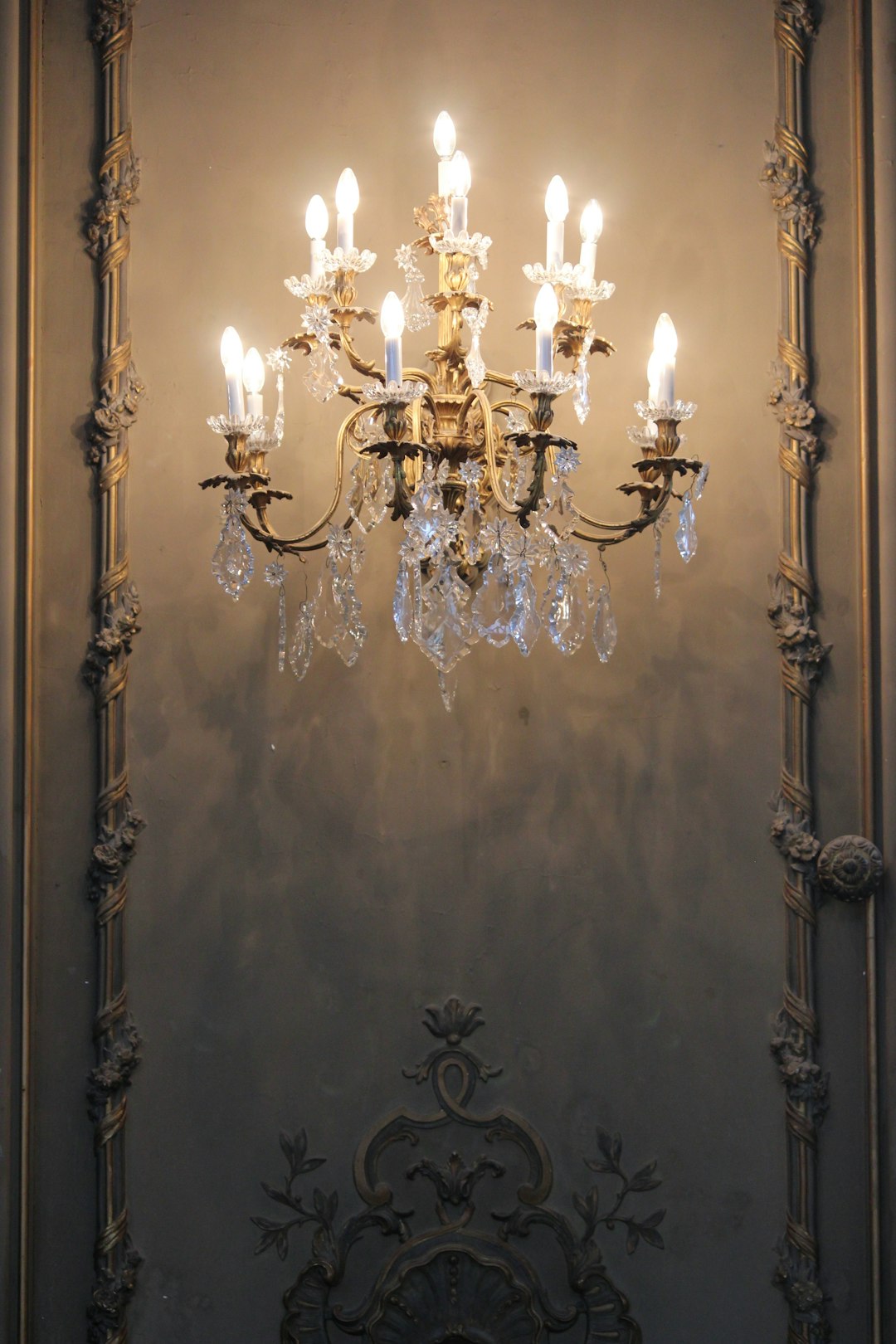
Materials help distinguish a thoughtfully period-inspired fitting from a merely decorative one. Opal or frosted glass can soften glare, while clear glass creates sharper reflections and exposed bulbs give a more industrial character. Brushed brass is quieter than polished chrome or highly reflective metal, while painted finishes can look more graphic. Hand-finished glass, including Murano-inspired or Venetian forms, may vary slightly between pieces. That variation can be attractive, but ask about replacement shades and parts. When browsing a mid century chandelier, examine construction details and care instructions rather than relying on a style label.
Consider how the chandelier will work at different times of day. In a hypothetical period terrace with a narrow dining room, a slim fitting might illuminate the table without competing with a fireplace or artwork. In an open-plan kitchen, a larger sculptural design could define the dining zone, yet it should not cast harsh shadows across worktops. A dimmer allows softer light for meals and brighter light for cleaning. If the chandelier is mainly decorative, make sure wall, table or floor lamps provide practical illumination. Layered lighting usually feels more adaptable than asking one ceiling fitting to do everything.
Provider choice matters when a chandelier is heavy, delicate or supplied with unusual components. Request exact dimensions, total weight, lamp-holder type, bulb guidance and the available suspension length. Ask whether the ceiling support and electrical connection should be checked by a qualified electrician, especially when replacing a lighter fitting. For glass drops or multiple arms, find out how the product is packed and whether assembly instructions are supplied. When comparing italian lighting specialists, assess how clearly they explain lead times, installation questions, maintenance and replacement components.
Before ordering, compare the complete cost rather than the ticket price alone. Include bulbs, a compatible dimmer, delivery, possible ceiling reinforcement and professional installation where appropriate. Ask what happens if glass arrives damaged or a finish differs from the sample, and retain the written specification for future replacements. A sound decision balances proportion, controllable light, materials and practical support. Avoid selecting a colour or size that depends entirely on one trend. The most useful chandelier should suit the room now, remain workable if furniture changes, and come with information you can understand.