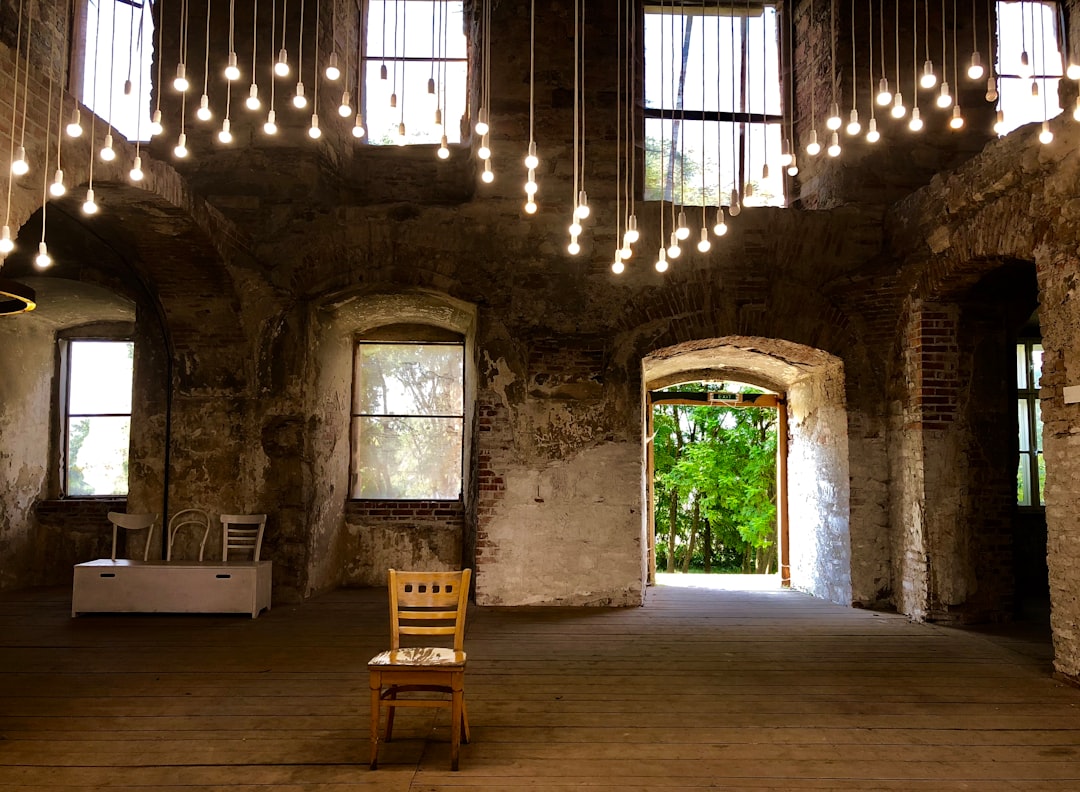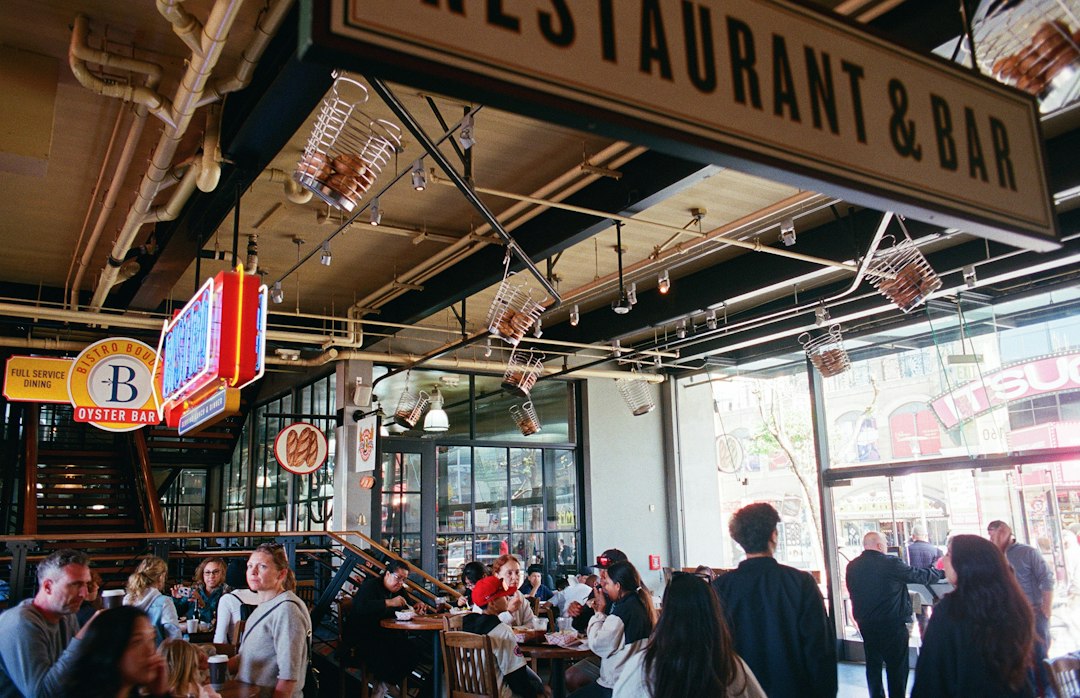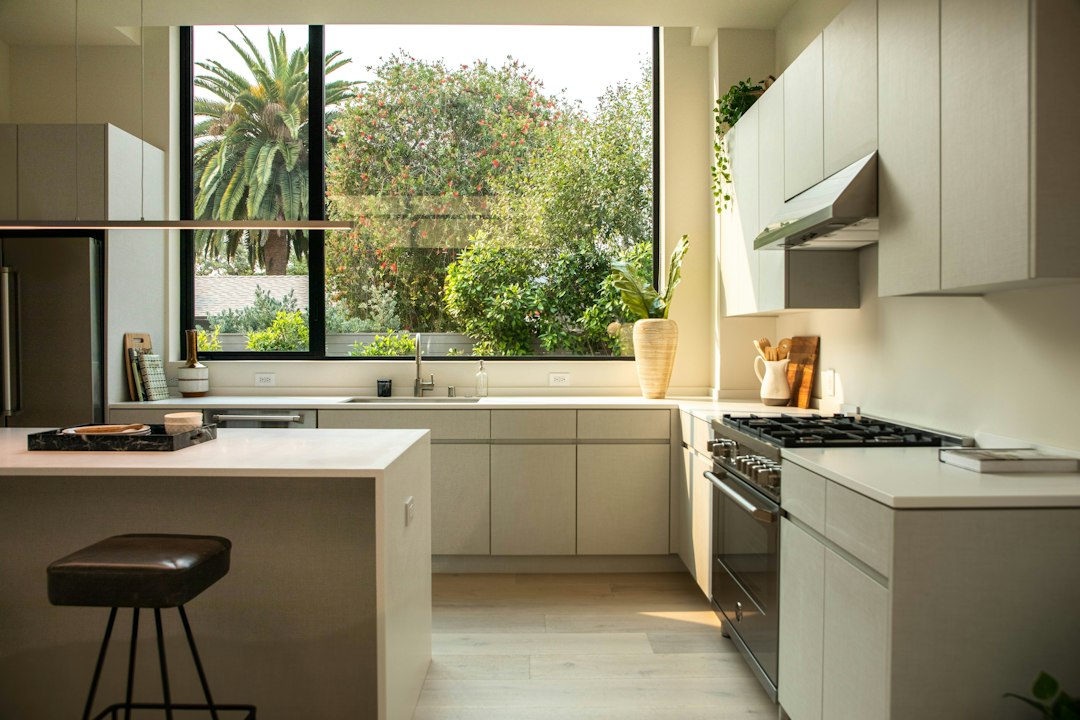

Capacity is more than the number printed on a venue’s website. It means how many people can fit after tables, a bar, a stage, buffet stations, service aisles, and equipment are placed. Ask for the capacity under your intended layout, since a seated dinner uses space differently from a standing reception. For example, 80 guests at round tables may need more room than 100 guests moving through a cocktail reception. When comparing miami event venues, request a floor plan or a measured room description. That simple check can prevent a crowded event and expensive last-minute changes.
Layout also affects how guests behave. A room with one central dining area encourages conversation, while a separated bar or lounge can reduce congestion near the entrance. Check where guests will wait, where coats or bags can go, and whether restrooms are easy to find without crossing the main activity. Consider a realistic scenario: a company hosts a short presentation before dinner. If the screen blocks the tables or guests must turn away from the speaker, the room may look attractive but work poorly. Ask whether the venue can shift furniture between segments and who handles that change.
Sound deserves the same attention as appearance. Acoustics describes how sound behaves in a room, including whether voices remain clear or bounce off hard surfaces and become tiring noise. A microphone may help a speaker, but it cannot fix every echo or loud dining area. Ask where musicians or speakers will stand, whether amplified music is allowed, and how sound from nearby spaces is controlled. Live music can suit an evening meal, especially in an Ocean Drive setting, but it may compete with conversation. A short site visit during a busy period can reveal more than an empty-room tour.
Food and service should match the event’s pace. A seated meal generally gives guests a predictable structure, while passed appetizers or stations allow more movement but can create queues. If seafood, prime steaks, or ocean views are part of the appeal, confirm how those choices fit the group’s needs rather than assuming every guest wants the same menu. Ask about vegetarian, allergy-related, and nonalcoholic options in specific terms. A group dinner also needs a clear plan for seating, speeches, dessert, and payment. Restaurants experienced with group dining may be easier for meals, but a restaurant layout may limit staging or dancing.
The price needs careful reading because venue quotes often combine different cost concepts. A room rental is the charge for using the space. A minimum spend is the amount the group must purchase on food and drinks, whether or not the final order reaches it. A service charge is a separate fee tied to staffing or service, while taxes are added according to applicable rules. Ask what is included, when deposits become nonrefundable, and whether overtime, equipment, cleanup, or outside vendors cost extra. A lower headline price may not be cheaper once these items are added.
Make the final choice by matching the venue to the most important guest experience, then verify the details in writing. For a relaxed evening, an oceanfront restaurant with nightly music and a happy-hour option may fit better than a formal hall, while a speech-heavy event may need quieter acoustics and dedicated presentation space. Review the timing, menu, layout, payment schedule, weather plan, and cancellation terms before signing. If you are comparing ocean drive dining options, judge the complete arrangement rather than the view alone. A practical venue is the one that makes the event easier to run and easier for guests to enjoy.