
Pain deserves attention, but it is not a precise damage meter. Its timing, severity, behaviour during the following day and response to activity all provide useful information. A practitioner may also compare strength, joint movement and the specific actions required by your sport. Load management means changing the amount or type of training while maintaining as much useful activity as symptoms allow. Someone with Achilles pain, for example, might replace hill sprints with easier flat running and cycling for a period, while continuing selected calf exercises. Total rest followed by a sudden return often creates the same problem again.
A knee assessment should not end at the knee. Reduced ankle movement, limited hip strength, poor single-leg control or weak trunk coordination can affect how an athlete absorbs force and changes direction. A footballer who feels pain during a cut may therefore need more than local treatment. The assessment might include a single-leg squat, step-down, landing task and controlled change of direction. Proprioception refers to awareness of joint position and contributes to balance and coordination. It can be trained with progressively harder tasks, but each exercise should reflect the speed, angle and fatigue that make the sporting movement difficult.
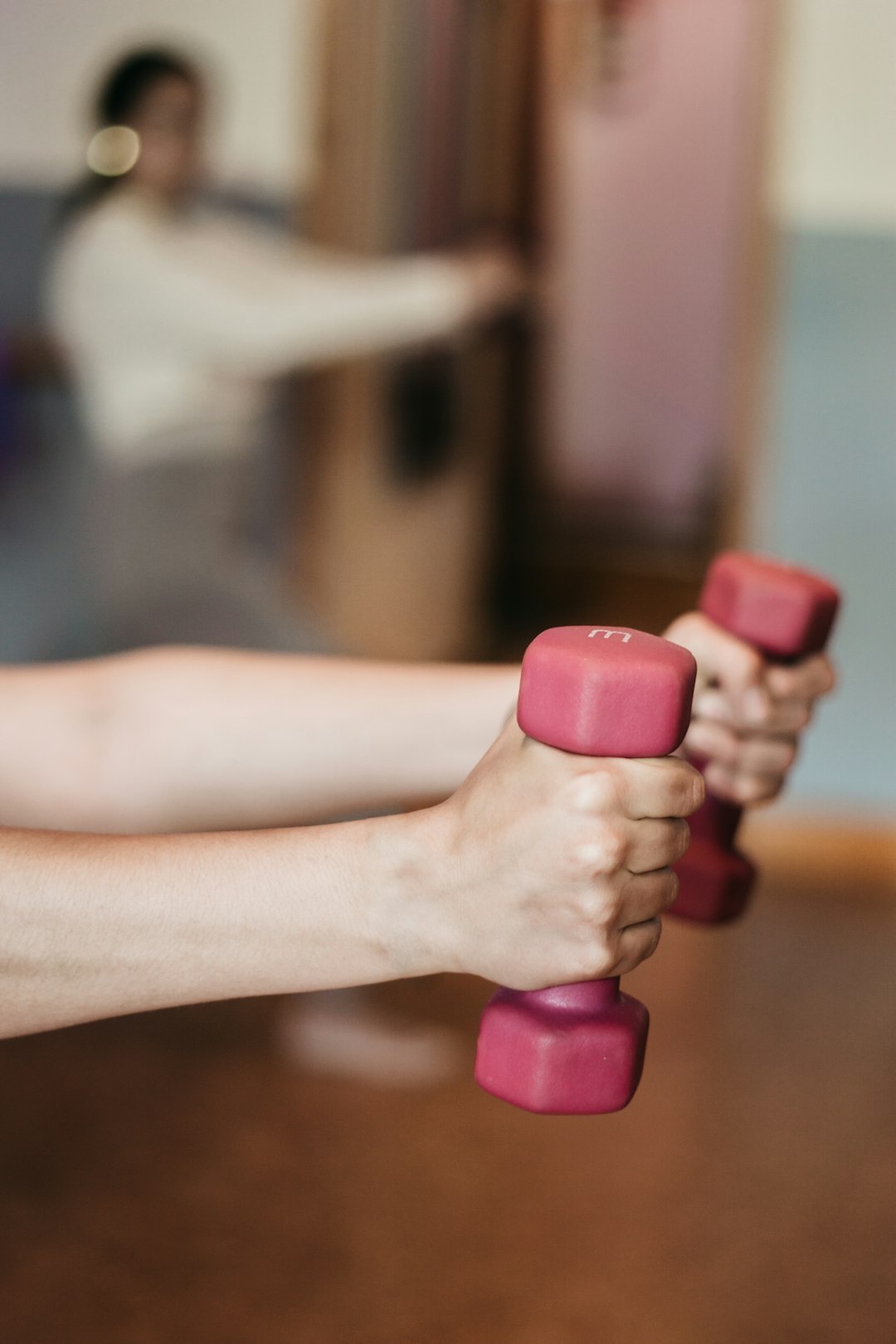
Tendon pain is often made worse by alternating between complete rest and an abrupt return to heavy exercise. Patellar tendinopathy, for instance, involves a tendon that is struggling to tolerate its current load. It is not always resolved by treating it as a short-lived inflammation. Strength work is usually introduced in a graded way, with the choice guided by irritability, capacity and the athlete’s goals. Isometric holds may be useful during a painful phase, while slow heavy resistance can build capacity later. Eccentric exercises, in which the muscle controls lengthening, are one option rather than a universal prescription.
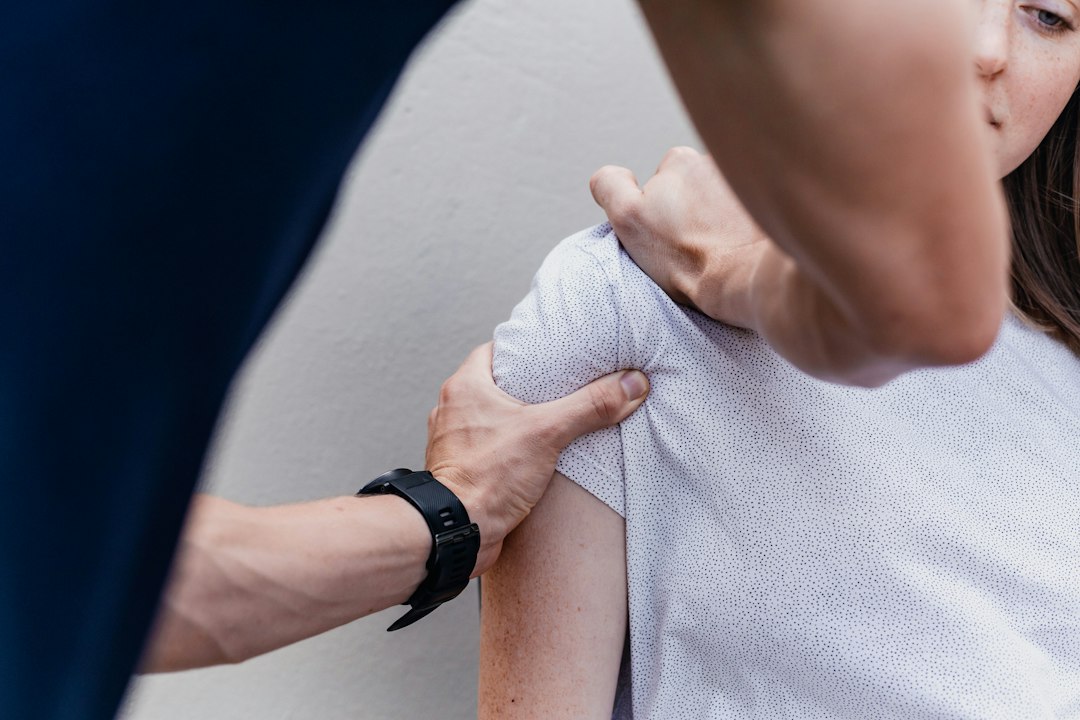
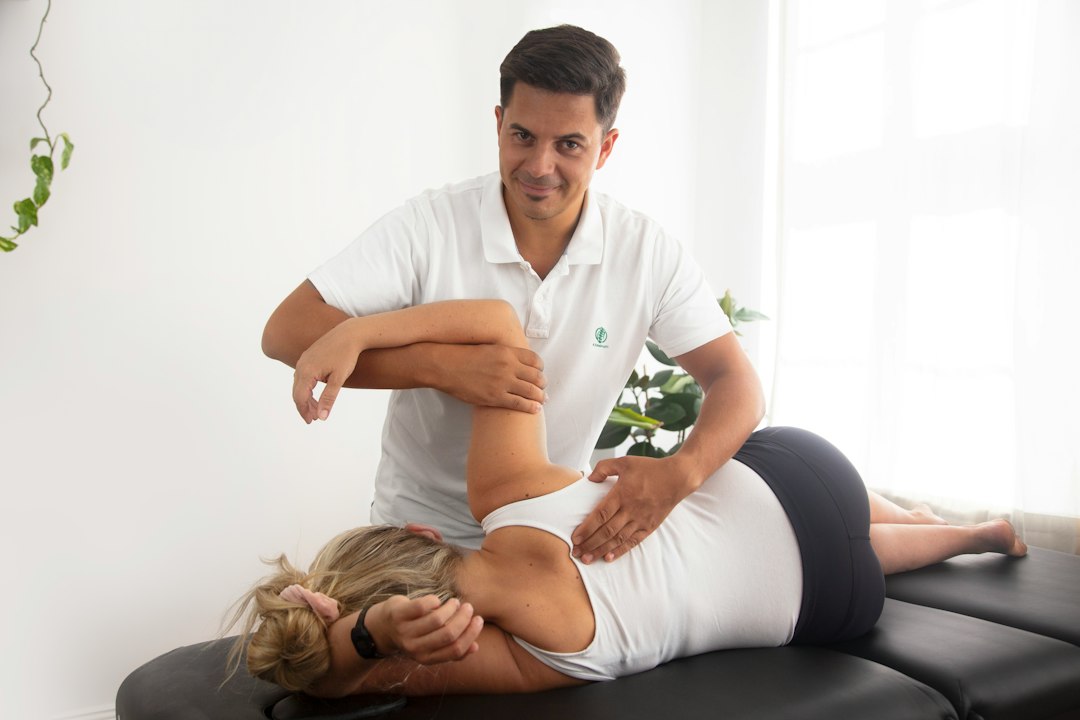
Shoulder pain in a recreational tennis player can follow a similar pattern. Groundstrokes may feel comfortable, yet serving produces symptoms because the arm is moving faster and through a different range. Stretching harder is not automatically the answer. A clinician may examine upper-back movement, shoulder rotation, rotator cuff strength, serving volume and the point in the session when pain appears. The shoulder blade provides a moving base while the cuff helps control the upper arm. Rehabilitation can progress from controlled cuff exercises to serving positions, partial-speed serves and repeated efforts that resemble match play.
A return-to-sport plan should state what is permitted today, what response is acceptable later that day and what the next progression will be. A hamstring rehabilitation plan for a footballer may move from steady running to accelerations, high-speed running, kicking and reactive drills. Each stage gives information about capacity under increasing speed and decision-making demands. Strength comparisons can help, but they are not the only consideration. Confidence, coordination, fatigue tolerance and the actual movements used in competition also matter. If pain rises sharply or remains more irritable than expected the next morning, the recent workload needs review rather than blind progression.
For anyone seeking sports physio lewisham, the first appointment should include more than a quick description of where it hurts. Bring a recent training log if you keep one, or note the sessions, work demands, sleep and recovery habits that preceded the problem. The clinician may check footwear, observe a sport-specific movement and record a baseline exercise or strength measure so progress can be compared later. Hands-on treatment can help movement or symptoms in selected cases, but it is most useful when paired with exercises, training changes and a clear reason for each step.
Practical return to sport physiotherapy should fit around real training rather than exist as a separate routine that is forgotten after a busy day. A plan might specify which exercises belong before work, how many running efforts are suitable at the weekend and what symptom response should prompt a reduction. Regular reassessment allows resistance, speed, range or fatigue to be adjusted as capacity changes. That process also prevents a common source of rework: advancing because an exercise feels easy in the clinic, without checking whether the same movement remains controlled late in training or under match-like pressure.