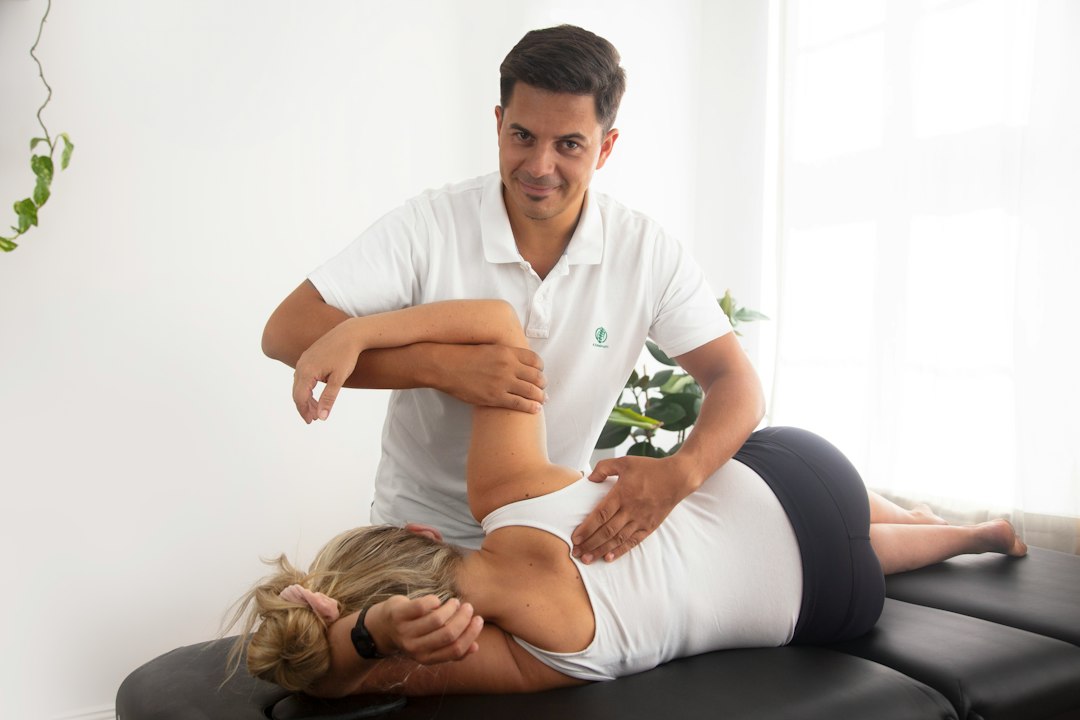

A session may include assessment, hands-on work, and practical advice rather than continuous pressure from start to finish. If you are comparing options for remedial massage southbank, ask how the therapist will measure progress. Useful measures might include turning your head farther, reaching overhead with less discomfort, or walking without a familiar pulling sensation. A therapist may use slower pressure on sensitive tissue, firmer work on restricted areas, or movement between techniques. More pressure is not automatically more effective, and soreness afterward is not proof that treatment worked.
One useful concept is referred pain. This means a tight or irritated area can create pain somewhere nearby, so the spot that hurts is not always the spot that needs attention. A tender point in the upper back, for example, may contribute to discomfort around the shoulder blade, while prolonged sitting can make the hips feel tight without a single damaged muscle being responsible. Another concept is a trigger point, a sensitive section within a muscle that may hurt when pressed and sometimes produces pain in a nearby area. These ideas guide assessment, but they do not replace a medical diagnosis.
Consider a runner who feels calf tightness during the final kilometer of each run. Massage may temporarily reduce the sensation, yet the recurring pattern could also involve a sudden training increase, limited ankle movement, footwear changes, or inadequate recovery. A sensible plan might combine gentle treatment with a review of running volume and calf loading. Load tolerance means the amount of work a body can handle before symptoms rise. Gradually adjusting that amount is often more practical than relying on repeated appointments while keeping the same training mistake.
Timing and intensity involve a trade-off. A deeper session immediately before a race, heavy lifting day, or long flight may leave some people feeling tender or less prepared, while lighter work may be easier to tolerate. After an event, a person may prefer treatment that reduces the sense of tightness without adding more irritation. Tell the therapist about deadlines, workouts, sleep, medication, recent injuries, and how your body usually reacts. A clear plan can then match the session to your schedule instead of treating every visit as identical.
Safety also depends on screening. Persistent swelling, unexplained bruising, significant weakness, numbness, fever, sudden severe pain, or symptoms after major trauma deserve medical assessment rather than casual massage. If you already see a physician, physiotherapist, or other health professional, sharing relevant advice can prevent conflicting plans. A clinic with several practitioners may also be able to direct you to the most appropriate person. For broader sports physiotherapy guidance, use the appointment discussion to clarify whether massage is the main need or one part of a wider recovery plan.
Before booking, be specific about the result you want and the time you have available. Saying that your shoulder hurts is less useful than explaining that reaching a high shelf hurts after computer work, while swimming feels fine. Wear clothing that allows comfortable access to the area and speak up if pressure feels sharp, alarming, or hard to tolerate. Afterward, note what changed during ordinary activities, not just how relaxed you felt on the table. If improvement fades quickly or symptoms keep returning, reassessment and a change in the plan may be wiser than simply booking the same treatment again.