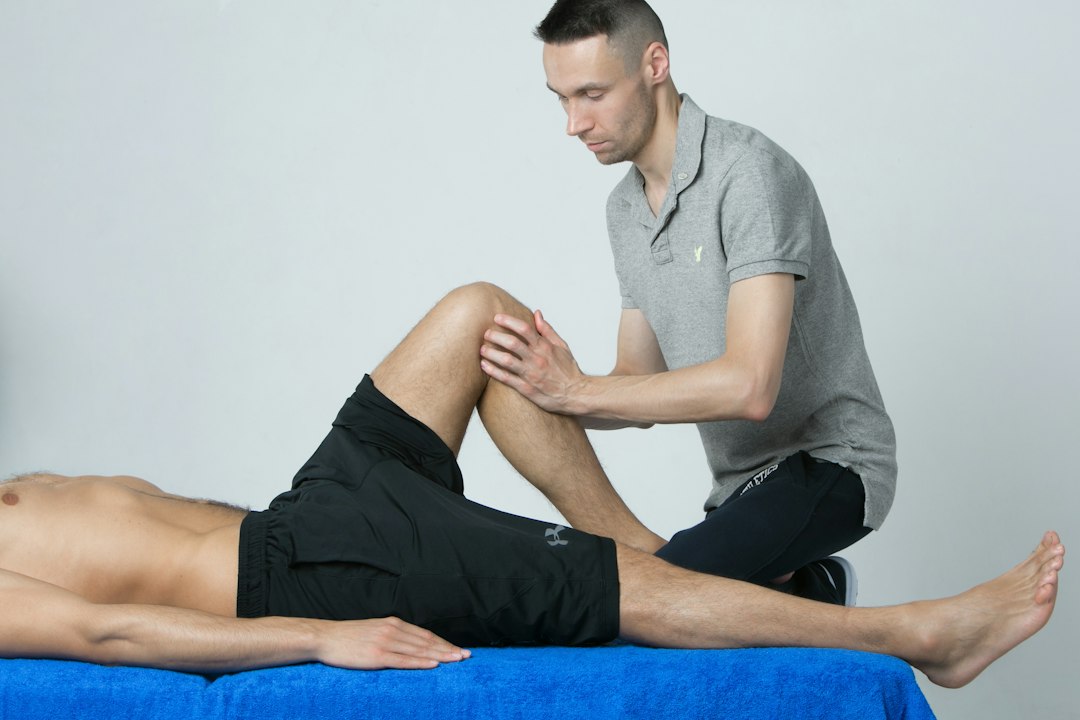

A useful assessment is not simply a search for the sore spot. A physiotherapist may consider whether symptoms involve a joint, muscle, tendon or nerve, and whether another area is contributing. Referred pain is one relevant concept: discomfort can be felt in one place even though the irritated tissue is elsewhere. For example, outer hip pain may be influenced by the lower back, while shoulder symptoms can change with neck movement. That does not mean every ache has a hidden cause, but it explains why nearby regions may be assessed instead of examining only the tender point.
Treatment depends on the findings and on what you need to do each day. Someone lifting boxes at work may need gradual strengthening and advice about pacing, while a recreational runner may need to adjust training load. Load means the stress placed on tissue through exercise, work or repeated movement. Too much too soon can keep symptoms irritated, but avoiding all activity may reduce strength and confidence. A physio may suggest smaller, manageable amounts of movement, then adjust them according to how you respond during the activity and afterwards.
Consider a hypothetical runner whose Achilles becomes sore after a sudden increase in training. Resting until it feels completely normal may be impractical, yet continuing every session at the same intensity could prolong the problem. A rehabilitation plan might introduce calf raises, controlled walking and a staged return to running. Tendon adaptation describes how a tendon can gradually respond to suitable loading over time. The plan should reflect footwear, work demands, training history and available time, rather than copying a generic exercise sheet that ignores the person using it.
Neck and back complaints often need the same practical approach. Someone working from home might feel stiff after several hours at a laptop, but there is rarely one perfect sitting position that solves everything. Changing posture regularly, taking short walking breaks and building movement tolerance may be more useful than trying to remain rigidly upright. Mobility describes how freely a joint or body region moves, while motor control concerns how effectively the nervous system coordinates movement. Clear explanations help you understand what an exercise is intended to change and how to perform it safely.
When comparing clinics, check whether the service fits your problem and whether appointment times work with your routine. It is reasonable to ask how progress will be reviewed, what home exercises involve and what to do if one increases symptoms. You can read local clinic information before attending, although online material cannot replace an individual assessment. A clinician may also coordinate with your GP or another health professional when symptoms do not fit a straightforward musculoskeletal pattern or when further medical investigation seems appropriate.
Improvement is usually judged by function as well as pain. You might walk further, turn your head more comfortably, return to modified gym sessions or complete a shift with fewer breaks before discomfort disappears completely. Proprioception, meaning awareness of a joint’s position, can matter after an ankle injury and may be addressed with balance work. If symptoms worsen quickly, follow an injury, include marked weakness or numbness, or occur with other concerning changes, seek appropriate medical advice promptly. For less urgent problems, a clear assessment and measured plan can make the next step easier to understand.