
There’s a common trap where people assume bigger turbos always mean better performance. That’s not the case. Larger turbos typically shine at high RPM but can suffer from lag at lower speeds. Smaller G Series II turbos spool faster, giving sharper throttle response and acceleration in everyday driving. For street cars, this immediate boost is often more rewarding than chasing peak power numbers that only show on a dyno.
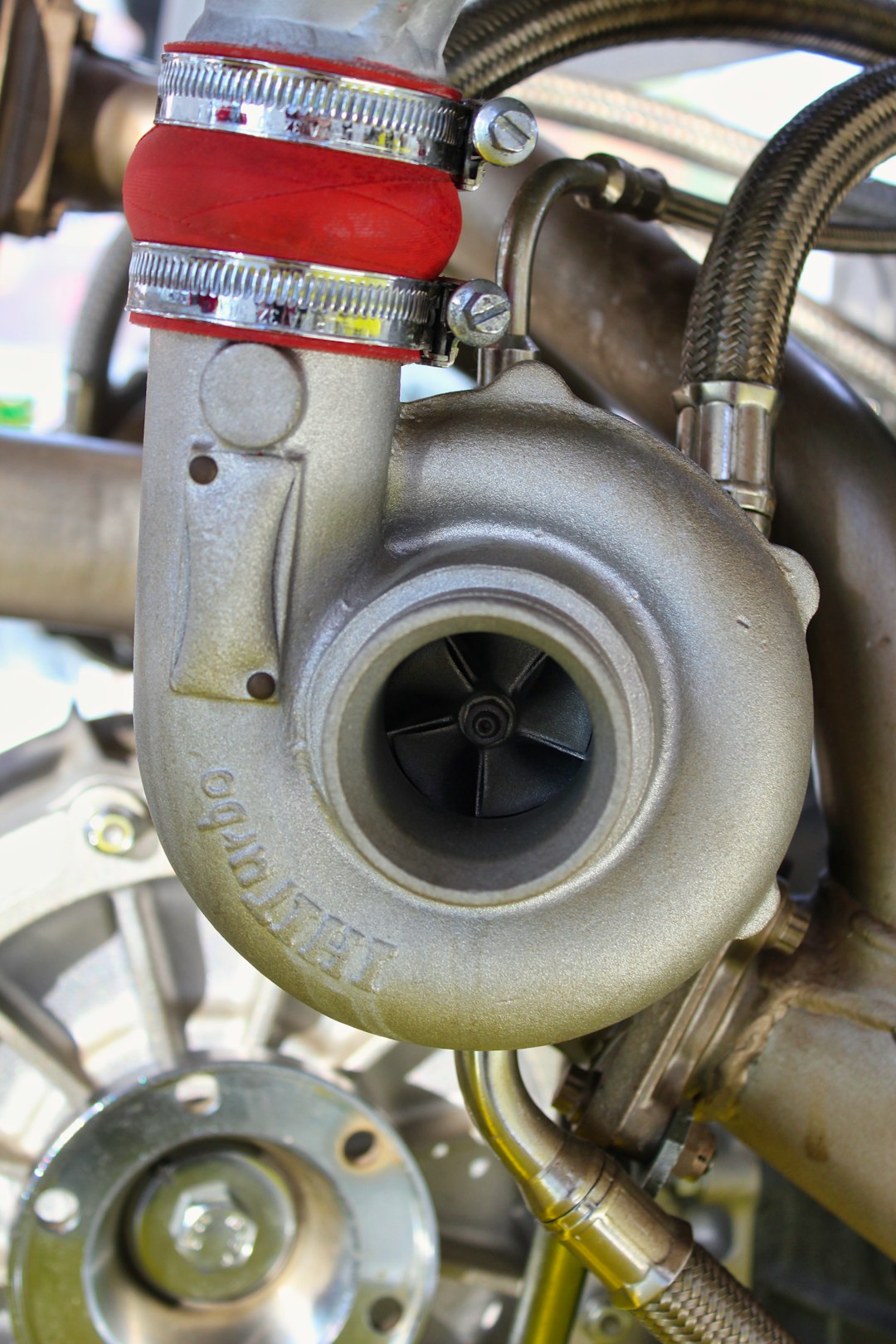
The engineering behind the G Series II line focuses heavily on aerodynamics and flow efficiency. Compressor wheels are redesigned to push more air with less lag. The Gen 2 models incorporate updated blade shapes that improve airflow without compromising reliability. This matters because aggressive driving or frequent race use puts extra strain on turbo components, and these designs help keep performance stable under stress.
Durability is a big concern for anyone investing in a turbo setup. These turbos use high-grade materials chosen to endure heat and pressure spikes common in performance applications. For example, after repeated track days, some turbos can develop wear that affects boost consistency. The G Series II units are built to resist such wear, making them a dependable choice for owners who push their cars hard.
Versatility also sets this series apart. Whether someone wants to upgrade a compact daily driver or boost torque for a heavier truck, there’s likely a suitable model available. This flexibility allows performance shops to serve a broad customer base, from weekend enthusiasts wanting an extra edge to those needing reliable torque for towing or hauling.
Installation and tuning are often overlooked but critical steps. A proper tune adjusts fuel maps and ignition timing to match the new turbo’s characteristics. Skipping or rushing this can cause drivability issues or even damage. Shops offering HPT Turbos should stress this point to customers and ideally handle the tuning themselves or work closely with a trusted tuner.
One practical habit to avoid trouble is checking all intake and exhaust connections during installation. Loose clamps or leaks can lead to boost loss or erratic sensor readings that complicate tuning. Also, keeping an eye on oil feed lines is vital since turbo lifespans heavily depend on proper lubrication and cooling.
Reliable documentation is another asset. G Series II turbos usually come with spec sheets detailing compressor maps and recommended operating ranges. Reviewing these helps prevent mismatched setups that result in poor performance or premature wear. In conversations with customers, referencing these technical details builds confidence and avoids unrealistic expectations.
Finally, shops should keep up with feedback from users who run these turbos in different environments. Real-world experience reveals quirks or setup nuances not obvious from specs alone. Adjusting inventory and tuning advice based on actual results can improve customer satisfaction and reduce callbacks for service or adjustments. Offering clear communication around what each turbo model delivers helps buyers pick the right tool for their specific goals. For broader information on turbocharger installation tips, resources like forums and manufacturer guides are invaluable.