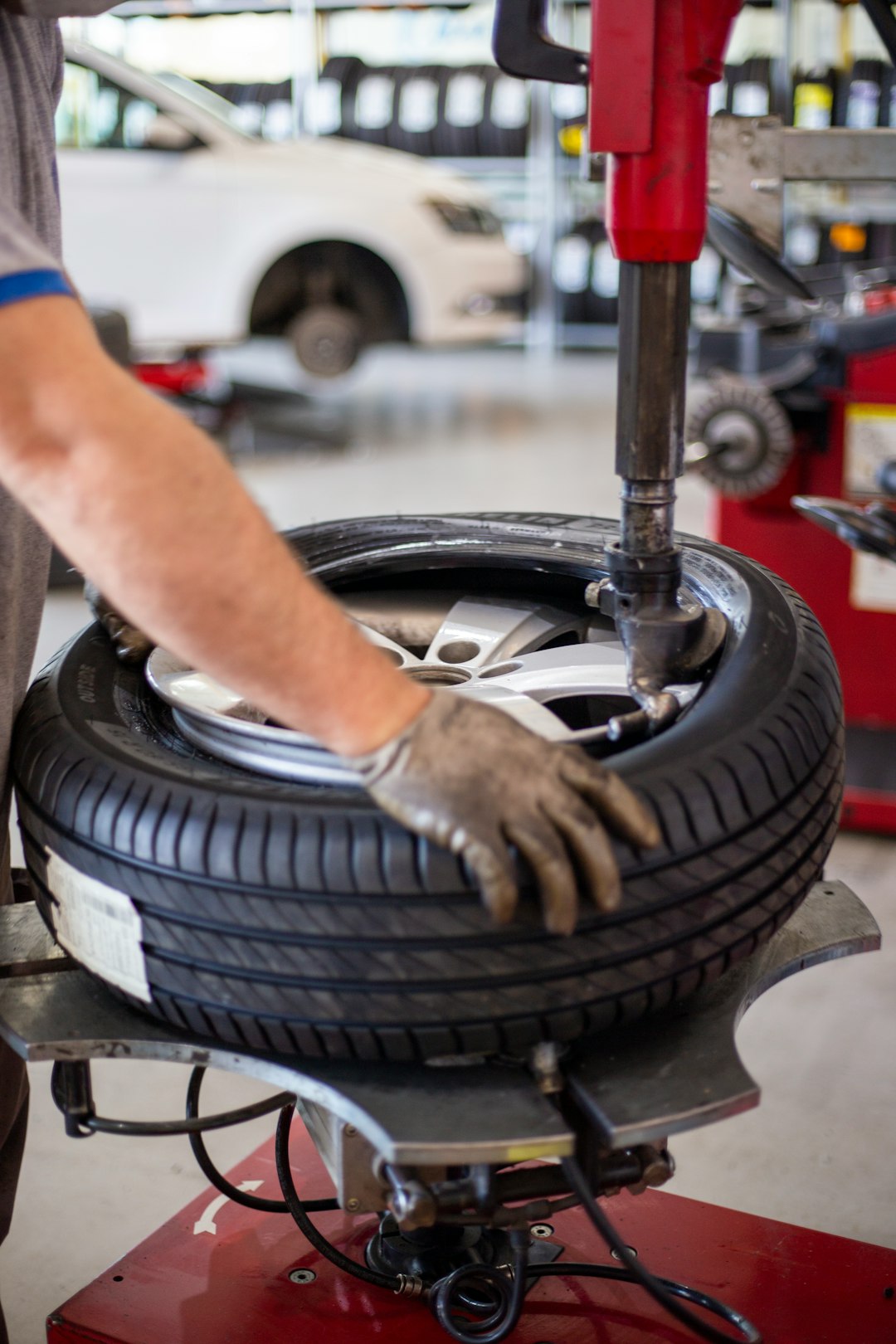

An alignment rack is more than just a platform. It usually features adjustable plates that can fit different wheel sizes and positions. Technicians rely on precision instruments attached to the rack to measure caster, camber, and toe angles. Caster affects steering stability when driving straight, camber relates to the wheels’ tilt inward or outward, and toe refers to how wheels point toward or away from each other from above. Getting these angles right requires skill and reliable tools because small errors mean bigger problems down the road.
Think about a fleet maintenance shop charged with servicing delivery trucks that vary widely in suspension types and weight distribution. Trying to align all these vehicles without specialized equipment would lead to mistakes and rework. Using an alignment rack lets mechanics adjust each truck according to its unique specs. This reduces guesswork and ensures every vehicle leaves the shop balanced and safe.
The technology built into many modern alignment racks includes laser systems or digital readouts that display real-time wheel position data. This saves time compared to older methods that depended on manual measurements alone. But even with the best tech, shops must train staff to double-check calibration daily and maintain records of each alignment session. Those notes are often reviewed during inspections or audits, especially in regulated industries.
An overlooked detail is how technicians prepare vehicles before alignment. They’ll check tire pressures, suspension components, and steering parts for wear or damage because worn parts can throw off alignment settings. A quick test drive before and after adjustment helps verify improvements. If the driver reports a pull or vibration, it might mean further tweaks are needed or that another issue exists.
Having a dedicated alignment rack also speeds up workflow in busy shops. Instead of shifting vehicles around to find space or using makeshift setups, techs can slot cars quickly onto the rack and start work right away. This routine cuts downtime and lets mechanics tackle other repairs without delay. Some shops even schedule alignments during quieter hours so the rack stays available for urgent jobs during peak times.
These racks are built to handle different vehicle sizes, from small sedans to heavy-duty commercial trucks. Versatility is key because shops servicing a variety of clients need equipment that won’t limit their workload. Investing in adaptable alignment racks means fewer compromises and less risk of turning away business due to equipment constraints.
Accurate wheel alignment is not just about extending tire life; it’s about safety on the road. Misaligned wheels can cause unpredictable vehicle behavior, especially in emergency maneuvers. Regular use of an alignment rack helps shops stay compliant with safety standards and provides customers with documented proof of thorough maintenance. This builds trust, especially among commercial clients who must meet strict regulatory requirements.
For those looking to improve their service capabilities, detailed information about alignment racks and related equipment can be found through resources focused on automotive repair tools. For example, visit wheel alignment equipment details to explore options that fit different shop needs.