
Devon properties vary from compact town gardens to exposed coastal plots, so the structure should respond to its setting. On a sloping site, a retaining wall or carefully designed platform may be needed before cabinetry is considered. Coastal air can also be hard on exposed metal, while rural gardens may have uneven ground and limited access for delivery. This is where reviewing outdoor kitchens devon examples can help clarify proportions and layout, although the final design should be measured around your garden, not copied from a photograph.
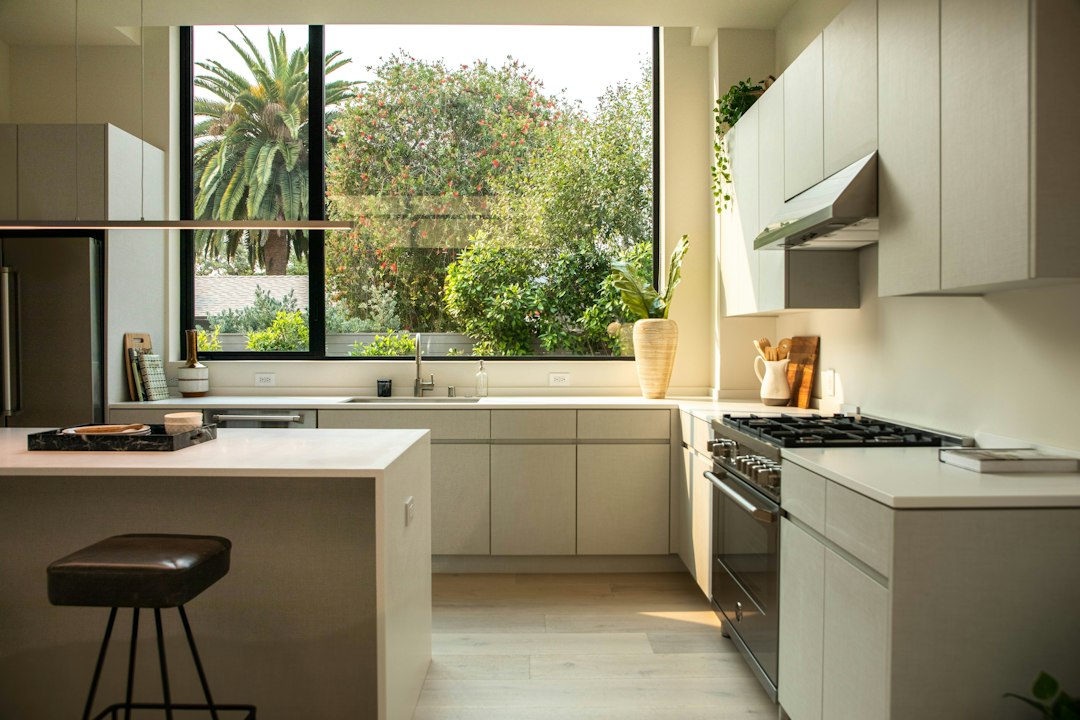
Layout matters more than a long list of appliances. A useful planning idea is the work triangle, the relationship between storage, preparation and cooking areas. It reduces unnecessary walking without forcing people to cross in front of hot grills. For example, a family who entertains regularly might place a generous preparation surface beside the grill, with chilled storage nearby and serving space facing the seating area. A smaller household may gain more from a sink, bins and a reliable worktop than from an oversized cooking centre that leaves little room for chopping or putting down a tray.
Weather protection should be practical rather than decorative. A roof or pergola can make cooking possible during light rain, but it must allow smoke and heat to disperse safely around the cooking equipment. Think about where rainwater goes as well. Drainage means directing water away from the kitchen through a suitable fall, channel or connection, rather than allowing puddles to collect beneath cabinets. On a Devon patio, this detail can be especially important after heavy rain. Surfaces should be non-slip when wet, easy to clean and robust enough for repeated changes in temperature.
Utilities need planning before the paving is laid. Electricity outdoors should be designed and installed by a suitably qualified professional, with protection appropriate to the conditions. IP ratings are a plain-English guide to how well an electrical fitting is protected from solids and water, but the correct rating depends on its exact position and use. Water supply and waste also need sensible routes, access for maintenance and protection from freezing. If gas is included, use the right professional for the installation and follow the appliance maker’s requirements instead of improvising connections.
Materials influence both appearance and upkeep. Porcelain paving can offer a clean, contemporary look, while natural stone may suit a traditional Devon property more naturally; either needs correct installation and suitable drainage. Cabinet finishes should tolerate moisture, sunlight and regular cleaning, and worktops need to resist stains from oil, wine and food preparation. Imagine a Saturday lunch with six guests: the useful test is whether there is somewhere to place hot dishes, store serving boards and clear dirty plates without blocking the cooking area. Good design is often noticed through the absence of awkward moments.
Before work begins, check whether the project needs planning advice, building control input or permissions connected with a listed property, conservation area, boundary or shared access. Requirements can depend on the site and the proposed structure, so a local professional or the relevant council service should confirm the position rather than relying on assumptions. Set a realistic maintenance routine too, including cleaning grease, checking seals, covering suitable equipment and inspecting drainage. Browse contemporary outdoor living ideas for inspiration, then judge each idea against shelter, access, services and how you genuinely cook. That is what turns a patio feature into a dependable room outdoors.