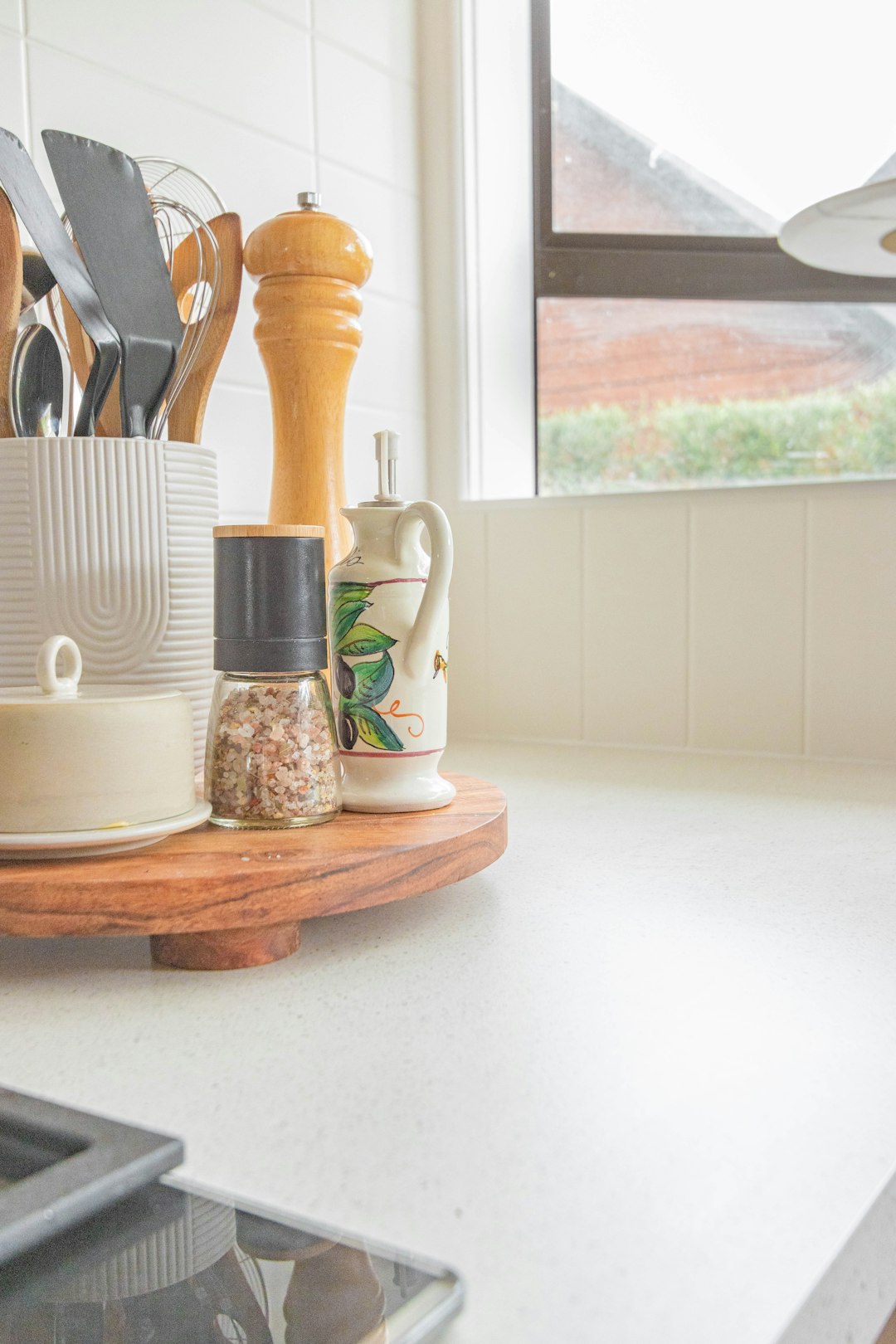

Consider a family who has lived in their house for years. They appreciate their kitchen layout but find the dark brown cabinets oppressive and old-fashioned. Instead of ripping them out, they chose to reface with lighter, modern finishes that brighten the room and coordinate well with new appliances. The process was straightforward: they removed the old doors and hardware, cleaned the cabinet boxes carefully to remove grease and residue, then installed new doors and soft-close hinges. The change made the kitchen feel more open and inviting without a long renovation.
In a different scenario, a newlywed couple planned their first holiday dinner in a home with cramped, outdated cabinetry. Rather than buying all new cabinets, they opted for shaker-style doors and contemporary hardware to update the look quickly. They also paid close attention to measurement details during installation to avoid misalignment, a common cause of delays. The result was a sleek space that impressed guests and made cooking more enjoyable.
Refacing involves selecting new doors and drawer fronts from materials like laminate, wood veneer, or solid wood. Each material affects durability and cost differently. For example, laminate is budget-friendly and easy to clean but less resistant to scratches than solid wood. Wood veneer strikes a balance, offering natural grain appearance with moderate price. Choosing the right finish matters; matte finishes hide fingerprints better than gloss.
Upgrading hardware is more than decorative, it improves functionality and complements the style chosen. Knobs and pulls vary widely in shape, material, and finish. Some homeowners prefer brushed nickel for its resistance to corrosion and fingerprints. Others opt for oil-rubbed bronze for a vintage feel. Custom hardware options exist for unique designs but usually add time and expense.
Before deciding on refacing, assess your cabinets’ condition closely. Check for water damage, warping, or loose joints. If the boxes are compromised, refacing could be a waste of effort and money. A thorough inspection might include opening cabinet interiors to spot hidden issues like mold or pest damage. Sometimes, partial replacement combined with refacing delivers the best outcome.
The refacing process starts with removing doors and hardware, then cleaning and sanding surfaces to ensure new finishes adhere properly. Priming is necessary if you’re painting or applying veneer to prevent peeling. High-quality finish coats protect against moisture and daily wear. Reinstalling hardware requires care to align handles properly; otherwise, drawers may not close smoothly. A final walkthrough helps catch any adjustments before declaring the job complete.
Comparing refacing with re-staining or full cabinet replacement reveals distinct advantages for each. Re-staining refreshes wood’s color but doesn’t change style or fix damaged surfaces. Replacement offers a blank slate but demands more time and budget. Refacing strikes a middle ground, cost-effective and less disruptive while delivering a noticeable transformation. However, it’s not suitable if structural problems exist.
To explore how cabinet refacing can modernize your kitchen without breaking the bank, request a free quote today through kitchen countertops hamilton. For additional information about home improvement options in your area, visit . These straightforward steps can breathe fresh life into your kitchen space.